
Table of Contents
TL;DR:
- Small targeted changes can dramatically enhance garden appearance and enjoyment.
- Combining structure with biodiversity creates a balanced, vibrant, and productive garden space.
- Regular troubleshooting and refreshing help maintain garden health and inspire ongoing growth.
If your garden feels like it’s stuck in a rut, you’re not alone. Many home gardeners hit a wall where everything looks the same season after season, and the excitement that once drove them outside fades fast. The good news is that a few targeted changes, whether you’re working with a tiny balcony or a sprawling backyard, can completely transform how your space looks and feels. This article walks you through gathering inspiration, choosing creative planting strategies, organizing your space for beauty and biodiversity, troubleshooting problems, and staying inspired long after the first bloom.
Key Takeaways
| Point | Details |
|---|---|
| Spark new ideas | Blend inspiration sources and practical layouts to create a unique garden style. |
| Mix order and creativity | Combine tidy structure with diverse plants for beauty and function. |
| Stay inspired | Refresh your space regularly and embrace experimentation for lasting satisfaction. |
Gather essentials: Inspiration and materials checklist
Before you buy a single seed packet or repot anything, it pays to spend time collecting ideas. The best garden transformations start in your head, not at the garden center. Flip through gardening magazines like Fine Gardening or Better Homes and Gardens, scroll Pinterest boards, or visit a local botanical garden to see what combinations genuinely excite you. If you want to visualize your layout before committing, tools like garden design inspiration let you render your outdoor space digitally so you can experiment without lifting a shovel.
Social media is another goldmine. Instagram and YouTube are packed with real gardeners showing real results, including failures, which is actually more useful than polished magazine spreads. Follow accounts that match your climate and space size for ideas that will actually work for you.
Pro Tip: Before buying anything, sketch a simple mood board. Cut out images, jot down color palettes, and note which plants catch your eye repeatedly. This saves money and prevents impulse purchases that don’t fit your vision.
Once your vision is clear, you need the right materials. Here’s a practical checklist to get started:
| Item | Purpose | Beginner priority |
|---|---|---|
| Pots and containers | Flexible planting, mobility | High |
| Quality potting soil | Root health and drainage | High |
| Seeds or starter plants | Core plantings | High |
| Hand trowel and gloves | Planting and maintenance | High |
| Plant supports (stakes, cages) | Vertical structure | Medium |
| Grow lights | Indoor low-light situations | Medium |
| Hydroponic system | Year-round indoor growing | Optional but powerful |
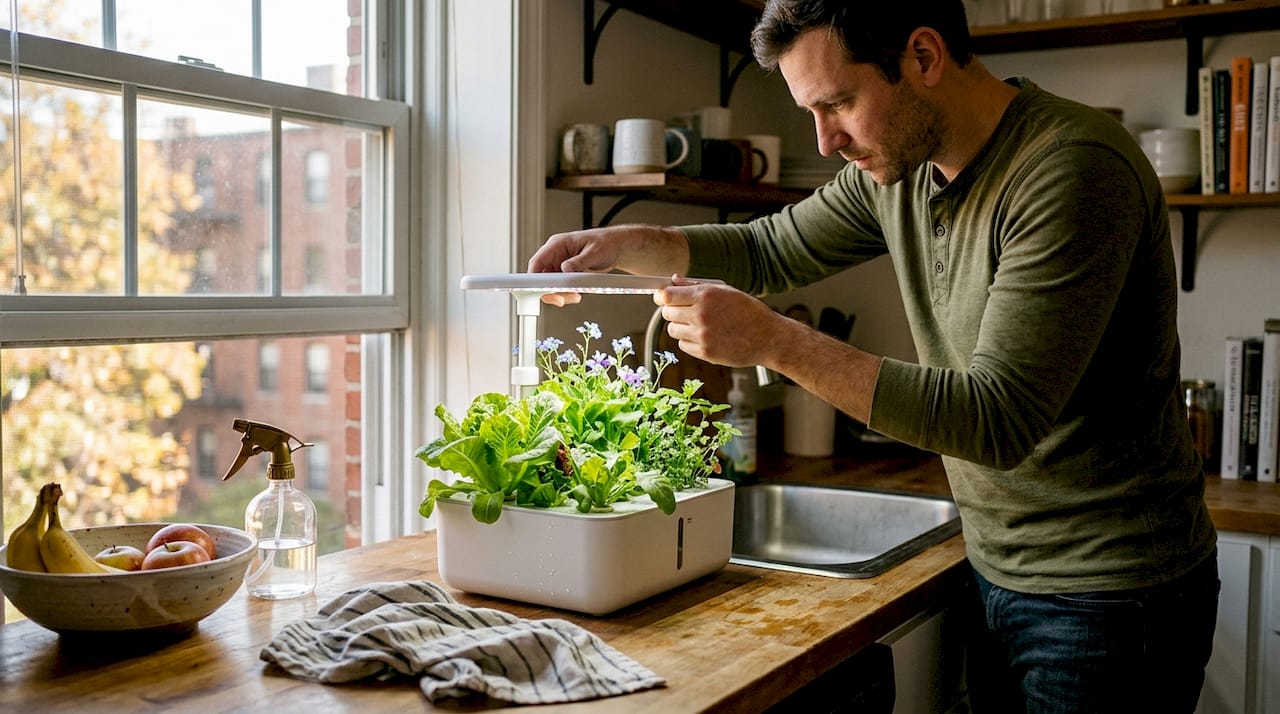
Speaking of hydroponics, this is one area where technology has genuinely changed what’s possible at home. Hydroponic indoor systems such as Gardyn and AeroGarden enable year-round growth using technology that manages light cycles, water, and nutrients automatically. If you’ve always wanted fresh herbs or greens in winter, these systems are worth exploring. You can learn more about getting started with hydroponic gardening basics to see if it fits your setup.
Step-by-step: Transform your garden with creative planting
With your inspiration and materials in hand, you’re ready to transform your space using these creative planting approaches. The key is to move from random planting to intentional design, which doesn’t mean rigid or formal. It means making choices that work together.
Here’s a simple process to follow:
- Plan your layout on paper or digitally. Mark sunny and shady spots, note traffic paths, and identify focal points like a fence, window, or corner.
- Prep your containers or beds by refreshing soil, improving drainage, and clearing out dead or overcrowded plants.
- Choose a color story using color blocking, where you group plants by hue for bold visual impact rather than mixing everything randomly.
- Add vertical interest with trellises, wall planters, or stacked container towers to draw the eye upward and maximize space.
- Position plants thoughtfully by placing taller plants at the back or center and cascading or trailing plants at the edges.
- Mix edibles with ornamentals so your garden is both beautiful and productive. Nasturtiums, kale, and rainbow chard look stunning alongside flowers.
Vertical gardens deserve special attention because they punch well above their weight in small spaces. Here’s how they compare to traditional garden beds:
| Feature | Vertical garden | Traditional bed |
|---|---|---|
| Space used | Minimal floor space | Requires ground area |
| Difficulty | Moderate | Easy to moderate |
| Visual impact | Very high | Moderate |
| Yield potential | High for herbs and greens | High for most crops |
For indoor setups, tested yields show flowers, kohlrabi, and cauliflower thrive in indoor hydroponic systems, which means you’re not limited to just herbs on a windowsill. Check out these indoor gardening tips for more ideas on making the most of limited indoor space, and browse container gardening ideas if you’re working with a patio or balcony.
Pro Tip: Group plants by water needs when designing your layout. Drought-tolerant plants together, moisture-lovers together. This one habit cuts watering time in half and dramatically reduces plant stress.
Organize for beauty and balance: Tidy vs. biodiverse garden styles
After setting up your plantings, it’s time to tune the overall look and functionality for lasting enjoyment. One of the most interesting decisions you’ll make is choosing between a tidy, structured garden and a more biodiverse, naturalistic one. The great news is you don’t have to pick just one.
Tidy garden elements:
- Clear, defined pathways between beds
- Uniform container styles or colors
- Neatly edged borders
- Labeled plant rows for easy identification
- Regular deadheading and pruning for a clean silhouette
Biodiverse garden elements:
- Clusters of native flowering plants
- Varied plant heights from ground covers to tall perennials
- Leaving some seed heads for birds and beneficial insects
- A mix of plant families to support different pollinators
- Intentional “wild” corners that provide habitat
Hybrid approach (recommended for most gardeners):
- Structured paths and defined beds for access and weed control
- Pollinator-friendly clusters tucked into corners or borders
- A mix of ornamental and edible plants throughout
Research backs this balance up. Urban gardeners prefer tidy aesthetics for access and weed control, but value both crops and pollinator flowers in their spaces.
“The most productive and satisfying gardens tend to combine clear structure with intentional pockets of biodiversity. Neither extreme, perfectly manicured nor completely wild, serves gardeners as well as a thoughtful blend of both.”
To put this into action, start by mapping your space and identifying two or three areas where you can introduce native plants or let things grow a little looser. For deeper guidance, explore garden biodiversity tips and discover which pollinator-friendly plants work best in urban and suburban settings.
Troubleshooting and refreshing: Keep your inspiration alive
Even the best-designed gardens need updates and occasional fixes, so here’s how to keep your space thriving. Every gardener eventually faces yellowing leaves, pest invasions, or that sinking feeling that the whole layout just isn’t working anymore. These aren’t failures. They’re part of the process.
Follow these steps when something feels off:
- Diagnose before you act. Check soil moisture, light levels, and look under leaves for pests before reaching for any product. Most problems have a simple cause.
- Refresh tired soil every season by top-dressing containers with compost or replacing the top few inches of potting mix. Old, compacted soil is the number one reason plants underperform.
- Rotate plants and layouts every few months. Moving a plant to a new spot often solves a mystery problem and gives you a fresh perspective on your whole space.
- Address pests early using the least invasive method first, like a strong water spray or neem oil, before escalating to stronger treatments.
- Swap out underperformers. If a plant has struggled for two full seasons, it’s okay to replace it with something better suited to your conditions.
Pro Tip: Take a photo of your garden on the first of every month from the same angle. After three months, you’ll see patterns you’d never notice day to day, spots that always look bare, plants that are quietly thriving, and areas begging for a change.
Research confirms that master gardeners favor tidy gardens for productivity, but a blend with biodiversity is ideal for most home setups. Use your monthly photos to evaluate whether your space is hitting that balance. For a full seasonal approach, the garden maintenance checklist at Lushy Gardens is a great reference, and if your tools are wearing out, these tool maintenance tips will help them last longer.

Why most garden inspiration guides miss the real joy of home gardening
Here’s something most gardening guides won’t tell you: the gardens people love most are rarely the ones that followed a plan perfectly. They’re the ones where someone tried something weird with a spare corner, let a volunteer tomato grow in an unexpected spot, or painted their pots three different colors because it made them happy.
The obsession with tidy aesthetics and trending plant combinations can actually drain the joy out of gardening. When you’re too focused on getting it right, you stop experimenting, and experimentation is where the real magic lives. Some of the most interesting gardens we’ve seen at Lushy Gardens came from people who broke every rule in the book.
Our honest take: treat your garden like a living sketchbook, not a finished painting. Borrow ideas from urban gardening insights and elsewhere, but always filter them through your own taste. A garden that reflects your personality, even if it’s a little chaotic, will always feel more inspiring than one that looks like a catalog photo but feels like someone else’s space.
Ready to keep growing? Explore more guides and expert tips
If today’s ideas have sparked something, there’s a whole library of resources waiting for you at Lushy Gardens. Whether you’re just starting out with gardening basics or ready to level up with garden design ideas that go beyond the basics, you’ll find step-by-step guides written for real gardeners, not horticulture professors. If you’ve been curious about multiplying your favorite plants for free, the guide on propagating houseplants walks you through the process with clear, practical steps. Every article is built to meet you where you are and help you take one confident step forward in your garden journey.
Frequently asked questions
What are some quick ways to refresh my home garden’s look?
Try rearranging plant groupings, adding seasonal flowers, or installing a small vertical garden for instant impact. Hydroponic systems like Gardyn and AeroGarden also provide year-round variety indoors with minimal effort.
How do I keep my garden tidy without losing biodiversity?
Use defined beds and paths for structure while tucking clusters of pollinator-friendly and native plants into borders or corners. Organized gardens can successfully balance crops and pollinator flowers in the same space.
What’s one high-impact tool for creative indoor gardening?
A compact hydroponic indoor system enables creative layouts and fast, clean results with minimal mess. Indoor systems like Gardyn and AeroGarden make productive indoor gardens accessible to almost anyone.
What should I do if my garden inspiration fades?
Revisit online garden galleries, try one new plant variety each season, or swap cuttings with friends to rekindle excitement and bring fresh energy to your space.
Recommended
- DIY Garden Decoration for a Budget-Friendly Makeover – Lushy Gardens
- Simple Garden Design Ideas for Beginners – Lushy Gardens
- 7 Smart Upcycling Ideas to Transform Your Garden – Lushy Gardens
- Garden Render Guide: Transform Your Outdoor Space In 2026
- Home Decor Guide 2026: Transform Your Urban Space Easily – New Way Ref

I’m Eleanor, a seasoned gardener with over three decades of experience tending to Mother Nature’s creations. Through Lushy Gardens, I aim to share my wealth of knowledge and help fellow plant enthusiasts uncover the wonders of gardening. Let’s dive into this journey together, one leaf at a time.


