
Table of Contents
TL;DR:
- Indoor plants thrive best in warm, stable conditions with proper light and airflow.
- Proper watering involves checking soil moisture and avoiding overwatering to prevent root issues.
- Healthy, thriving plants provide true psychological benefits, with air purification being a secondary advantage.
Most people assume indoor plants need just water and sunlight to survive. That assumption is exactly why so many houseplants quietly struggle on windowsills across the country. Successful indoor gardening is built on a handful of evidence-backed details that most care guides skip entirely. Many plant owners overlook the need to adjust routines based on their specific environment and plant type. Once you understand those details, everything changes. This guide covers the practical, research-backed steps that move your plants from barely surviving to genuinely thriving.
Key Takeaways
| Point | Details |
|---|---|
| Environment matters most | Keeping plants in the right temperature and light range boosts health and growth. |
| Adapt your care year-round | Change watering and feeding routines with the seasons, especially in winter downtime. |
| Soil and repotting keep roots strong | Choose well-draining mixes and repot every 1 to 3 years for thriving plants. |
| Air quality gains are real but modest | Plants do clean air a bit, but happiness and well-being are the biggest rewards. |
Choose the right environment for your indoor plants
With a clear idea why care routines matter, it’s time to dig into the foundations: the home environment. Most indoor plants are tropical or subtropical by origin, which means they evolved in warm, stable conditions with filtered light. Your living room is not a rainforest, but you can get surprisingly close with a few deliberate adjustments.
Temperature is the most underestimated factor. Most houseplants thrive between 65-86°F and suffer when exposed to cold drafts, radiator blasts, or chilly windowsills in winter. A plant sitting two inches from a drafty window frame can experience temperature swings of 15 degrees or more within a single day. That kind of stress weakens roots and makes plants vulnerable to pests.
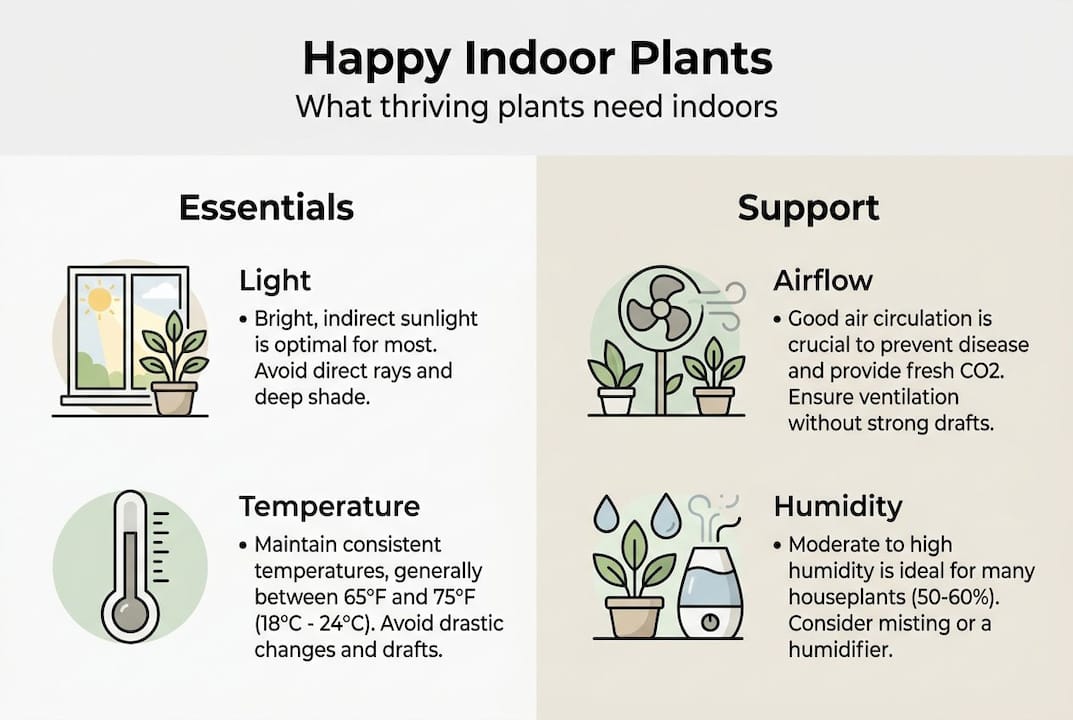
Light is equally critical, and the common mistake is assuming “bright room” equals “enough light.” Light intensity drops sharply as you move away from a window. A plant on a shelf six feet from the nearest window may receive less than 10% of the light available at the glass. Here is a quick reference for matching plants to light zones in your home:
| Light zone | Distance from window | Best plant types |
|---|---|---|
| Bright direct | 0-2 ft, south/west facing | Succulents, cacti, herbs |
| Bright indirect | 2-5 ft, any direction | Monsteras, pothos, ferns |
| Low light | 5+ ft or north facing | Snake plants, ZZ plants |
For indoor plant care essentials, matching your plant to the right light zone is one of the fastest ways to improve results. If natural light is limited, a simple grow light on a timer can fill the gap without much expense.
Air quality and airflow also matter more than most guides admit. Stagnant air encourages fungal issues, while cold drafts from air conditioning vents stress tropical varieties. Keep plants away from vents and exterior doors. A gentle fan running on low a few hours a day improves air circulation without creating a draft.
Seasonality is another layer most beginners miss. Plants enter a natural dormancy in winter, slowing their growth and requiring less water and feed. Pushing fertilizer or extra watering during dormancy does more harm than good. Reviewing plant care basics for each species you own will show you exactly how to shift your routine as seasons change.
Pro Tip: Group plants with similar light and humidity needs together. They create a small microclimate that benefits all of them, and it makes your care routine much more efficient.
For those growing in smaller spaces, gardening tips for apartments can help you make the most of limited light and floor space without sacrificing plant health.
Master watering and feeding: avoid common mistakes
Once you’ve set up a healthy plant environment, the next challenge is often mastering your watering and feeding routine. Overwatering is the single most common reason houseplants die. It is not dramatic neglect that kills most plants. It is too much love, too often.
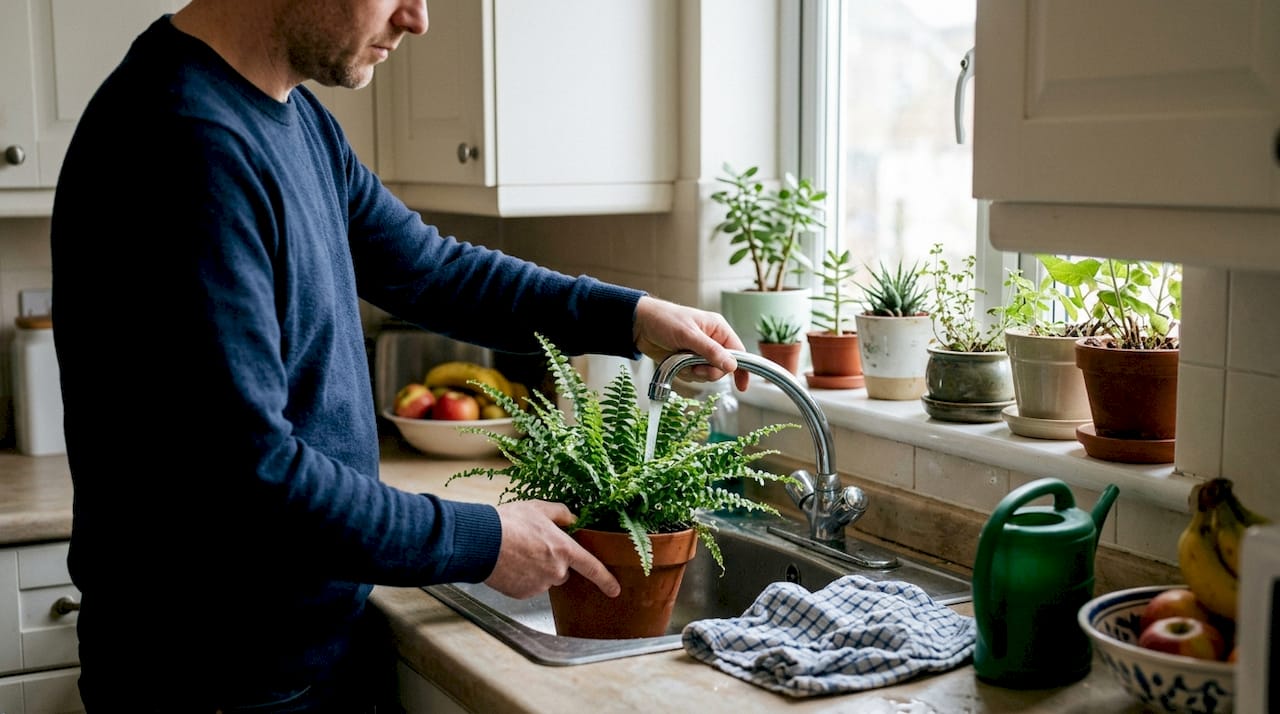
Overwatering suffocates roots by cutting off oxygen in the soil. The symptoms look almost identical to underwatering: yellowing leaves, drooping stems, and slow growth. That similarity is what makes it so tricky. Before you water, always check the soil. Push your finger about an inch into the mix. If it feels moist, wait. If it feels dry, water thoroughly until it drains from the bottom.
Here is a simple process to build a reliable watering habit:
- Check soil moisture with your finger or a moisture meter before every watering session.
- Water deeply and slowly, allowing water to reach the root zone.
- Empty saucers after 30 minutes so roots are never sitting in standing water.
- Adjust frequency based on season. Plants in winter dormancy need significantly less water than during active spring and summer growth.
- Track your schedule loosely, but always let the soil guide you rather than the calendar.
Feeding is equally misunderstood. Most indoor plants only need fertilizer during their active growing season, which runs roughly from March through September. A balanced liquid fertilizer applied once a month is enough for the majority of houseplants. More is not better. Overfertilizing burns roots and causes leaf tip browning.
For a deeper look at watering techniques, the watering guide at Lushy Gardens covers natural methods that keep plants healthy without overcomplicating the process.
Pro Tip: Rainwater or room-temperature tap water that has sat overnight works better than cold tap water straight from the faucet. Cold water can shock tropical roots and slow growth.
Signs your watering routine needs adjustment:
- Yellow leaves often point to overwatering or poor drainage.
- Crispy brown edges usually signal underwatering or low humidity.
- Wilting despite moist soil is a red flag for root rot.
- Pale, washed-out color can mean too much direct sun combined with irregular watering.
If you spot any of these, the troubleshooting plant issues guide can help you pinpoint the cause quickly and get back on track.
Soil and repotting: keeping roots happy and healthy
Water and nutrients play a leading role, but real plant health starts under the surface: the roots. The soil your plant lives in determines how well it absorbs water, how much oxygen reaches the roots, and how stable the plant feels in its pot.
Not all potting mixes are equal. A dense, heavy soil holds too much moisture and starves roots of oxygen. A well-draining, peat-free potting mix suits most common houseplants and supports healthier root systems over time. Acid-loving plants like gardenias, azaleas, and blueberries need ericaceous soil, which has a lower pH to support nutrient uptake.
| Plant type | Recommended soil | Key feature |
|---|---|---|
| Tropical (pothos, monstera) | Peat-free general mix | Good drainage, airy texture |
| Succulents and cacti | Gritty cactus mix | Very fast draining |
| Acid-lovers (gardenias) | Ericaceous mix | Low pH for nutrient access |
| Orchids | Bark-based orchid mix | Excellent airflow to roots |
For basic plant care, matching soil to plant type is just as important as choosing the right pot. Drainage holes are non-negotiable. A beautiful pot without drainage is a slow death sentence for most plants.
Repotting keeps roots from becoming cramped and starved of nutrients. Most houseplants benefit from repotting every one to three years. Spring is the best time because plants are entering their active growth phase and recover quickly. Signs a plant needs repotting:
- Roots circling the bottom of the pot or growing out of drainage holes.
- Soil drying out unusually fast after watering.
- Visible root crowding at the soil surface.
- Stunted growth despite proper light and feeding.
When repotting, choose a new pot only one to two inches larger in diameter. Going too large encourages excess moisture retention and can lead to root rot. Add fresh soil, firm it gently around the roots, water thoroughly, and place the plant back in its usual spot.
Pro Tip: If you source plants from a greenhouse or nursery, ask about the soil mix already in use. Understanding what your plant was grown in helps you choose a compatible mix at home. For more on sourcing healthy plants, greenhouse buying tips can help you pick strong, well-rooted specimens from the start.
Can plants really purify indoor air? What science says
Great soil and roots aren’t the only benefits. Indoor plants are widely believed to improve the air you breathe, but the science here is more nuanced than most plant marketing suggests.
Laboratory studies have shown real results. Cordyline fruticosa removed 87.5% of benzene and toluene in sealed chamber conditions. Those are impressive numbers. The catch is that sealed chambers are nothing like your living room, which has open windows, ventilation systems, and a much larger volume of air.
“The air purification potential of houseplants is real under controlled conditions, but scaling that effect to a typical room requires far more plants than most households contain.”
For a meaningful impact on room-scale air quality, research suggests you would need a significant number of plants per 100 square feet. Most homes simply don’t have that density. Here is how some commonly studied plants compare:
| Plant | VOC removed | Notes |
|---|---|---|
| Cordyline fruticosa | Up to 87.5% benzene | Chamber study results |
| Spider plant | Moderate formaldehyde | Widely studied, easy to grow |
| Peace lily | Benzene, acetone | Effective but toxic to pets |
| Pothos | Various VOCs | Extremely low maintenance |
So should you give up on the air quality angle? Not at all. The benefits of indoor plants go well beyond air chemistry. Biophilia, which is the human instinct to connect with living things, is a well-documented source of psychological well-being. Studies consistently show that being around plants reduces stress, improves focus, and lifts mood.
For practical guidance on which varieties perform best, plants for air quality and the research on how houseplants reduce pollutants offer a grounded look at what is actually achievable at home.
A seasoned gardener’s take: focus on thriving plants, not just air
Here is an honest perspective that most plant content won’t give you. The air purification story sells plants, but it sets up unrealistic expectations. Research confirms that real rooms need 10 or more plants per 100 square feet for meaningful air quality improvement. Very few homes reach that density.
What actually enriches your home is a collection of healthy, thriving plants. A lush, well-cared-for plant brings genuine joy in a way that a struggling one never will, regardless of how many VOCs it theoretically removes. The biophilia effect, that deep sense of calm and connection you feel around living greenery, is the real gift plants offer.
Focus your energy on getting the environment right, mastering your watering rhythm, and choosing the right soil. When your plants look genuinely healthy, the wellbeing with plants effect takes care of itself. If air quality is a priority, the best air purification plants guide will point you toward the most effective species. But the real win is always a plant that thrives.
Grow your expertise with more trusted tips
With practical tips in hand, why not take the next step toward a thriving indoor jungle? Lushy Gardens has a growing library of guides built specifically for home gardeners who want real results, not generic advice. Whether you are refining your routine or starting from scratch, the indoor plant care tips collection covers everything from watering schedules to seasonal adjustments. If air quality is on your mind, explore the full breakdown of house plants for air quality to find the best performers for your space. New to gardening altogether? The gardening basics guide is the perfect starting point for building lasting skills.
Frequently asked questions
What is the best temperature for indoor plants?
Most houseplants thrive between 65-86°F and should be kept away from cold drafts, radiators, and chilly windowsills that cause temperature stress.
How do I know when to water my plant?
Check the top inch of soil before watering. If it feels dry, water thoroughly. Dormant plants in winter need far less frequent watering than during active growing months.
Which soil is best for indoor plants?
A well-draining peat-free mix works well for most houseplants, while acid-loving varieties like gardenias need ericaceous soil for proper nutrient uptake.
Can houseplants really improve indoor air quality?
Plants do remove some VOCs but require high plant density for a noticeable room-scale effect. The well-being benefits from simply being around plants are more consistently impactful.
Recommended
- Essential Indoor Gardening Tips for Urban Dwellers – Lushy Gardens
- Houseplants for beginners: easy care tips (68% saved) – Lushy Gardens
- Master Indoor Succulent Care for a Thriving Collection – Lushy Gardens
- 8 Essential Indoor Plant Care Tips for Every Gardener – Lushy Gardens

I’m Eleanor, a seasoned gardener with over three decades of experience tending to Mother Nature’s creations. Through Lushy Gardens, I aim to share my wealth of knowledge and help fellow plant enthusiasts uncover the wonders of gardening. Let’s dive into this journey together, one leaf at a time.


