
Table of Contents
Houseplants have surged in popularity among home gardeners, transforming living spaces into lush sanctuaries. Beyond their visual appeal, these green companions deliver measurable benefits backed by science. NASA research reveals that certain houseplants can reduce harmful indoor air pollutants by up to 70% within 24 hours, a finding that reshapes how we view indoor gardening. This article explores how houseplants improve air quality, regulate humidity, and enhance mental well-being while offering practical guidance to maximize these advantages.
Key Takeaways
| Point | Details |
|---|---|
| Air purification impact | Houseplants reduce harmful indoor pollutants like benzene and formaldehyde by up to 70% within 24 hours under optimal conditions. |
| Humidity regulation | Through transpiration, houseplants increase indoor relative humidity by 5 to 10 percent, improving respiratory comfort. |
| Mental health benefits | Plant interaction reduces stress by up to 20% and enhances concentration, memory, and overall mood. |
| Species selection matters | Not all houseplants purify air equally; snake plants, spider plants, and pothos show superior pollutant removal. |
| Care practices amplify benefits | Proper watering, adequate light, and healthy soil directly boost air purification and transpiration effectiveness. |
Introduction to Houseplants and Their Importance
The indoor gardening movement has transformed how we design and experience home environments. What began as simple decoration evolved into a deliberate lifestyle choice centered on wellness and sustainability. Home gardeners now seek plants that deliver functional benefits alongside aesthetic value.
Houseplants serve three primary purposes in modern homes. They clean indoor air by absorbing chemical pollutants common in furniture, paints, and cleaning products. They regulate humidity levels through natural water vapor release, countering the drying effects of heating and air conditioning systems. Perhaps most surprisingly, they improve psychological well-being through daily interaction and visual engagement.
These benefits work together to create healthier indoor environments. Understanding each benefit category helps gardeners select appropriate species and care for them effectively. The following sections examine the science behind each advantage, supported by research and practical application strategies.
Key benefit categories include:
- Air purification through pollutant absorption
- Humidity regulation via transpiration
- Mental health improvements from plant interaction
- Enhanced home aesthetics and biophilic design
Air Purification Mechanisms of Houseplants
Houseplants function as living air filters through a process involving both leaves and root systems. Leaf surfaces absorb gaseous pollutants like benzene, formaldehyde, and trichloroethylene through tiny openings called stomata. Root zone microbes then break down these compounds into harmless byproducts, completing the purification cycle.
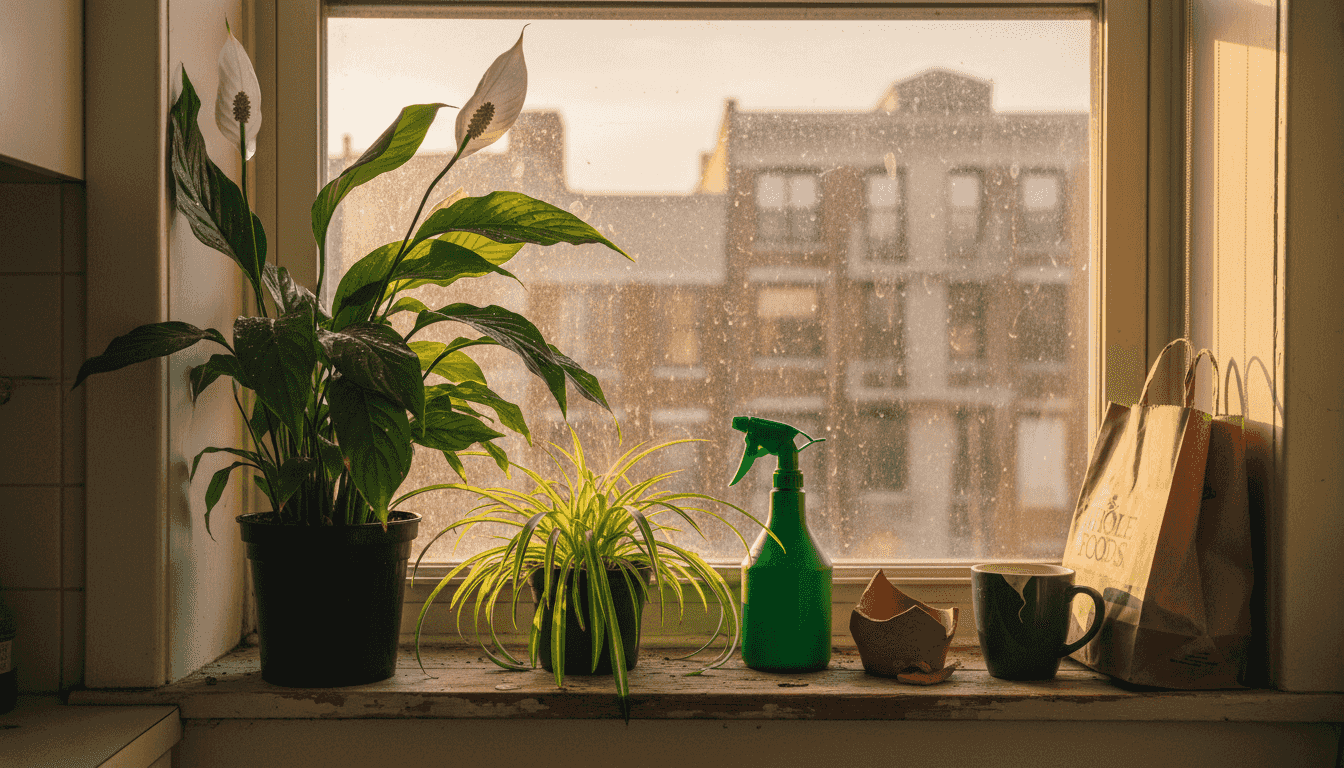
The NASA Clean Air Study demonstrated that specific houseplants removed 50 to 70% of volatile organic compounds within 24 hours in sealed chambers. This groundbreaking research identified plants effective against pollutants emitted by carpets, synthetic materials, and household cleaners. However, real world conditions differ significantly from laboratory settings.
Effective air purification requires multiple plants distributed throughout living spaces. A single potted plant cannot meaningfully clean an entire room. Experts suggest one plant per 100 square feet as a baseline, combined with adequate ventilation to circulate air through plant foliage. Good airflow ensures pollutants contact leaf surfaces where absorption occurs.
Common indoor pollutants that houseplants address:
- Benzene from plastics, synthetic fibers, and tobacco smoke
- Formaldehyde from pressed wood products and insulation
- Trichloroethylene from adhesives and paint removers
- Xylene and toluene from printing materials and leather treatments
Pro Tip: Place plants near pollution sources like new furniture or recently painted walls to maximize exposure to target compounds. Rotate plants between rooms monthly to distribute purification benefits evenly.
While houseplants absorb specific pollutants effectively, they work best as supplementary air cleaning solutions rather than primary filtration systems. Combine plants with proper ventilation and mechanical filters for comprehensive indoor air quality management.
Understanding indoor house plants for air quality selection helps maximize purification potential in your specific home environment.
Indoor Humidity Regulation by Houseplants
Transpiration, the process by which plants release water vapor through leaf pores, naturally increases indoor humidity levels. As plants absorb water through roots, approximately 97% of that moisture eventually evaporates into surrounding air. This biological process creates a self-regulating humidity source that operates continuously during daylight hours.
Research published in Plants journal confirms that houseplants increase indoor relative humidity by 5 to 10 percent through transpiration. This improvement matters significantly in heated winter environments or air conditioned summer spaces where humidity often drops below comfortable levels. Higher humidity benefits respiratory health, reduces static electricity, and helps preserve wooden furniture.
The magnitude of humidity increase depends on several factors. Plant size, leaf surface area, and species characteristics all influence transpiration rates. Environmental conditions like temperature, existing humidity levels, and air circulation also affect water vapor release. More plants naturally generate greater humidity improvements.
Factors affecting transpiration and humidity benefits:
- Plant species and leaf surface area
- Room temperature and existing humidity levels
- Watering frequency and soil moisture
- Light exposure and photosynthesis rates
- Air circulation patterns and ventilation
Humidity Boost: A collection of five medium-sized houseplants can add approximately one liter of moisture to indoor air daily under typical conditions, equivalent to running a small humidifier for several hours.
Pro Tip: Group plants together to create humidity microclimates that benefit moisture loving species while amplifying transpiration effects. This clustering strategy works especially well in dry climates or during winter heating seasons.
Mastering humidity for houseplants basics ensures your green companions thrive while delivering maximum environmental benefits.
Mental Health and Cognitive Benefits of Indoor Plants
The psychological impact of houseplants extends beyond aesthetic pleasure into measurable improvements in stress, concentration, and overall well-being. Interaction with plants activates the parasympathetic nervous system, triggering relaxation responses that lower cortisol levels and heart rate. These physiological changes translate into reduced anxiety and improved mood states.
A comprehensive study featured in The Essential Guide to Benefits of Indoor Plants demonstrates that indoor plant presence can reduce stress by up to 20% while enhancing concentration and memory performance. These benefits emerge from both passive observation and active engagement through watering, pruning, and general care activities.
The mechanisms behind these improvements involve multiple sensory pathways. Visual engagement with green foliage and natural forms satisfies biophilic needs, our innate connection to living systems. Tactile interaction during plant care provides mindful focus that interrupts rumination and worry cycles. Even the subtle fragrance of soil and foliage contributes to sensory richness that combats the sterility of modern indoor environments.
Psychological and cognitive benefits include:
- Reduced stress hormones and anxiety symptoms
- Enhanced concentration during cognitive tasks
- Improved memory retention and recall
- Elevated mood and emotional well-being
- Increased sense of purpose through care responsibilities
Research on mental health benefits shows similar patterns across companion animals and plants, suggesting that caring for living things fundamentally supports human psychological health.
The presence of plants in work and study environments has been linked to productivity increases of up to 15%, demonstrating that these benefits extend beyond home settings into professional contexts.
Exploring mental and cognitive benefits of plants reveals additional ways these green companions enhance daily life and long term wellness.
Common Misconceptions About Houseplants Benefits
Separating fact from fiction helps set realistic expectations about what houseplants can and cannot accomplish in home environments. Three major misconceptions persist despite scientific evidence.
- Myth: Houseplants alone fully purify indoor air. Reality requires acknowledging that while plants remove specific pollutants effectively, they cannot replace mechanical ventilation and filtration systems. Achieving meaningful air quality improvements demands numerous plants combined with proper airflow, not a few decorative specimens scattered across rooms.
- Myth: All houseplants purify air equally well. Different species vary dramatically in pollutant removal efficiency. Snake plants excel at benzene absorption, while spider plants target formaldehyde more effectively. Generic claims about houseplant air cleaning ignore these critical differences that guide practical plant selection.
- Myth: Plants contribute nothing to indoor humidity. Transpiration demonstrably increases relative humidity by 5 to 10 percent, a significant improvement in dry indoor environments. This effect becomes more pronounced with larger collections and proper plant care that supports healthy growth and active water cycling.
- Myth: Any placement works for air purification. Pollutant absorption requires air circulation that brings contaminated air into contact with leaf surfaces. Stagnant corners and closed rooms limit exposure, reducing purification effectiveness regardless of plant species or quantity.
- Myth: Plant benefits appear immediately. While laboratory conditions demonstrate rapid pollutant reduction, real world improvements accumulate over days and weeks. Patience and consistent care unlock long term benefits that justify the initial investment in plants and maintenance routines.
Comparative Effectiveness of Houseplants
Selecting the right houseplants maximizes air purification and humidity benefits while matching your specific growing conditions and lifestyle constraints. Different species offer distinct advantages.
| Plant Species | Primary Pollutants Removed | Light Requirements | Care Difficulty | Pet Safety |
|---|---|---|---|---|
| Snake Plant | Benzene, formaldehyde, trichloroethylene | Low to bright indirect | Very easy | Toxic to pets |
| Spider Plant | Formaldehyde, xylene | Moderate indirect | Easy | Non-toxic |
| Pothos | Formaldehyde, benzene, xylene | Low to moderate | Very easy | Toxic to pets |
| Peace Lily | Ammonia, benzene, formaldehyde | Low to moderate | Moderate | Toxic to pets |
| Boston Fern | Formaldehyde, xylene | Bright indirect | Moderate to difficult | Non-toxic |
Snake plants tolerate neglect better than most species, surviving weeks without water while maintaining air purification capabilities. Their upright growth suits small spaces and low light corners where other plants struggle. However, toxic compounds make them unsuitable for homes with curious pets.
Spider plants grow rapidly and produce cascading foliage that increases leaf surface area for pollutant absorption. Their non-toxic nature and forgiving care requirements make them ideal for beginner gardeners and pet friendly households. Frequent watering supports vigorous growth and maximum transpiration.
Pothos adapts to diverse conditions from low light to bright indirect exposure, making it versatile for various room placements. Its vining habit allows creative display options while multiple stems increase overall purification capacity. Like snake plants, pothos contains compounds toxic to pets.
Considerations for plant selection:
- Available natural light in target rooms
- Pet and child safety requirements
- Time available for watering and maintenance
- Desired aesthetic and growth habits
- Specific pollutants present in your home
Discovering best air purification plants helps narrow choices to species proven effective in research studies.
Maximizing Benefits Through Proper Plant Care
Healthy plants deliver optimal air purification and humidity regulation, making proper care essential for realizing potential benefits. Several fundamental practices directly influence plant performance.
Watering frequency and quality affect transpiration rates and overall plant health. Most houseplants prefer soil that dries partially between waterings, preventing root rot while maintaining adequate moisture for active growth. Water quality matters too, as chlorine and mineral buildup can stress plants over time. Room temperature water prevents shock to root systems.
Light levels must match species requirements for photosynthesis and growth. Inadequate light weakens plants, reducing their capacity to absorb pollutants and transpire moisture. Conversely, excessive direct sun can scorch leaves and stress plants. Understanding your specific plants’ needs guides proper placement.
Soil health supports root development and beneficial microbe populations that break down absorbed pollutants. Quality potting mixes with good drainage prevent waterlogging while retaining sufficient moisture. Periodic fertilization replenishes nutrients, supporting vigorous growth that maximizes environmental benefits.
The study Essential Indoor Gardening Tips for Urban Dwellers confirms that healthy plants perform air purification and transpiration optimally when proper watering and light conditions are maintained.
Best practices for maximizing benefits:
- Water when top inch of soil feels dry to touch
- Provide species appropriate light intensity and duration
- Use well draining potting soil enriched with organic matter
- Fertilize during growing season per species requirements
- Monitor for pests and diseases that compromise plant health
- Dust leaves monthly to keep pores clear for gas exchange
Pro Tip: Rotate plants quarterly to ensure even light exposure on all sides, promoting balanced growth and preventing lopsided development that reduces overall leaf surface area.
Applying comprehensive indoor plant care tips ensures your collection thrives while delivering consistent environmental improvements.
Resources on pet safety with houseplants help maintain secure environments when introducing new species to your home.
Limitations and Integrated Approaches
Scientific consensus positions houseplants as valuable supplementary tools within comprehensive indoor air quality strategies rather than standalone solutions. This realistic perspective guides effective implementation.
Ventilation remains the primary method for controlling indoor air pollutants by diluting concentrations with fresh outdoor air. Opening windows, using exhaust fans, and maintaining HVAC systems deliver immediate and substantial air quality improvements that houseplants cannot match. Plants enhance these fundamental practices but do not replace them.
Mechanical filtration systems capture particulate matter and some gaseous pollutants more efficiently than biological processes. HEPA filters remove fine particles while activated carbon filters absorb VOCs and odors. Combining these technologies with houseplants creates layered defense against various pollutant types.
Practical implementation requires multiple plants for measurable impact. Research suggests one plant per 100 square feet as a starting point, though higher densities increase benefits proportionally. Strategic placement near pollution sources and in frequently occupied rooms optimizes exposure to both pollutants and plant generated humidity.
Integrated air quality strategies:
- Maximize natural ventilation through window opening and cross-flow
- Install and maintain mechanical filtration systems
- Position multiple houseplants throughout living spaces
- Address pollution sources through material choices and cleaning products
- Monitor humidity levels to prevent mold growth from excessive moisture
Houseplants contribute benefits beyond air cleaning that justify their inclusion in healthy home strategies. Humidity regulation, mental health improvements, and aesthetic enhancement combine to create environments supporting physical and psychological well-being. This holistic value proposition extends beyond quantifiable pollutant removal into quality of life improvements.
Discover More Ways to Enhance Your Indoor Garden
Now that you understand the science behind houseplant benefits, explore practical strategies to implement these insights in your home. Lushy Gardens offers comprehensive guides covering plant selection, care techniques, and environmental optimization. Whether you’re starting your first indoor garden or expanding an existing collection, our curated resources help you succeed.
Learn how to enhance air quality with houseplants through strategic species selection and placement. Discover essential indoor plant care tips that keep your green companions thriving year round. Urban dwellers will find targeted advice in our indoor gardening tips for urban dwellers guide, addressing space constraints and challenging growing conditions.
Frequently Asked Questions About Houseplants Benefits
How many houseplants are needed to improve indoor air quality effectively?
Effective air purification requires approximately one plant per 100 square feet as a baseline, though more plants deliver proportionally greater benefits. Multiple plants distributed throughout rooms ensure adequate pollutant exposure and absorption. Supplementary ventilation remains essential, as plants work best alongside mechanical air circulation rather than replacing it.
Which houseplants are safest for homes with pets and children?
Spider plants and Boston ferns rank among the safest non-toxic options for households with pets and young children. These species provide air purification and humidity benefits without containing compounds harmful if ingested. Avoid popular but toxic plants like pothos, philodendrons, and peace lilies when curious pets or kids are present.
How long does it take for houseplants to improve indoor air quality?
Laboratory studies show measurable pollutant reductions within 24 hours under controlled conditions with optimal plant density and air circulation. Real world benefits accumulate more gradually over days to weeks as plants establish and environmental conditions stabilize. Sustained care and adequate plant numbers deliver the most consistent long term improvements.
Do houseplants really help with indoor humidity problems?
Yes, houseplants demonstrably increase indoor relative humidity by 5 to 10 percent through transpiration. This improvement significantly benefits dry winter environments and air conditioned spaces where humidity often drops uncomfortably low. Larger collections and moisture loving species amplify these effects, creating more comfortable living conditions naturally.
Recommended
- Indoor Plants for Wellbeing: Enhancing Air Quality and Healthy Living – Lushy Gardens
- Indoor House Plants: Enhance Air Quality Safely – Lushy Gardens
- 7 Best Air Purification Plants for Healthier Indoor Air – Lushy Gardens
- The Essential Guide to Benefits of Indoor Plants – Lushy Gardens
- 10 Tips for Living a Healthier and Happier Life
- How to Keep Pets Safe Indoors: 5 Essential Steps

I’m Eleanor, a seasoned gardener with over three decades of experience tending to Mother Nature’s creations. Through Lushy Gardens, I aim to share my wealth of knowledge and help fellow plant enthusiasts uncover the wonders of gardening. Let’s dive into this journey together, one leaf at a time.


