
Table of Contents
TL;DR:
- Growing your own herbal teas offers superior flavor and health benefits compared to store-bought options.
- Harvest herbs at peak essential oil content and dry them properly to preserve their potency for up to a year.
Herbal teas from your garden are brewed infusions made from fresh or dried leaves, flowers, roots, or seeds of home-cultivated herbs, offering superior flavor and health benefits compared to store-bought alternatives. The practice is formally called tisane brewing in culinary and herbalist circles, though “herbal tea” is the term most gardeners use daily. Growing your own herbs puts you in control of quality, potency, and flavor in ways no packaged product can match. Lushygardens covers the full process here, from choosing the right plants for your climate and wellness goals to harvesting at peak potency and mastering brewing techniques for both fresh and dried herbs.
What herbal teas from your garden can do for your health
The best herbs for tea fall into clear wellness categories, and knowing those categories makes selection much easier. Chamomile and valerian support sleep; peppermint and fennel aid digestion; hibiscus supports cardiovascular health. That last point carries real clinical weight. Hibiscus lowers systolic blood pressure by 7.5 mmHg in human trials, making it one of the most evidence-backed herbs you can grow. Chamomile, valerian, peppermint, ginger, turmeric, and hibiscus all have strong human trial evidence behind their therapeutic use.
Choosing herbs by wellness goal also means matching them to your garden conditions. Peppermint, lemon balm, and chamomile grow reliably across most American hardiness zones. Lavender prefers drier, well-drained soil and full sun. Hibiscus thrives in warm climates and needs consistent moisture. Most tea herbs need full sun, specifically 6–8 hours daily, to develop the essential oils that give them flavor and potency.
One safety point belongs in every herb selection conversation. Herbal tea is naturally caffeine-free and generally safe at 3–4 cups daily for adults, but hibiscus, sage, licorice, and valerian can interact with medications. Gardeners who take prescription drugs or are pregnant should consult a healthcare provider before adding new herbs to their daily routine. Starting with single-ingredient teas before blending complex mixes also lets you understand how your body responds to each plant individually.
| Herb | Primary benefit | Sun needs | Notes |
|---|---|---|---|
| Chamomile | Sleep support | Full sun | Annual; easy from seed |
| Peppermint | Digestion | Full to partial sun | Invasive; grow in containers |
| Lemon balm | Calm and mood | Partial to full sun | Spreads readily |
| Hibiscus | Heart health | Full sun | Warm climates preferred |
| Lavender | Relaxation | Full sun | Needs excellent drainage |
How to set up your garden for growing herbal teas
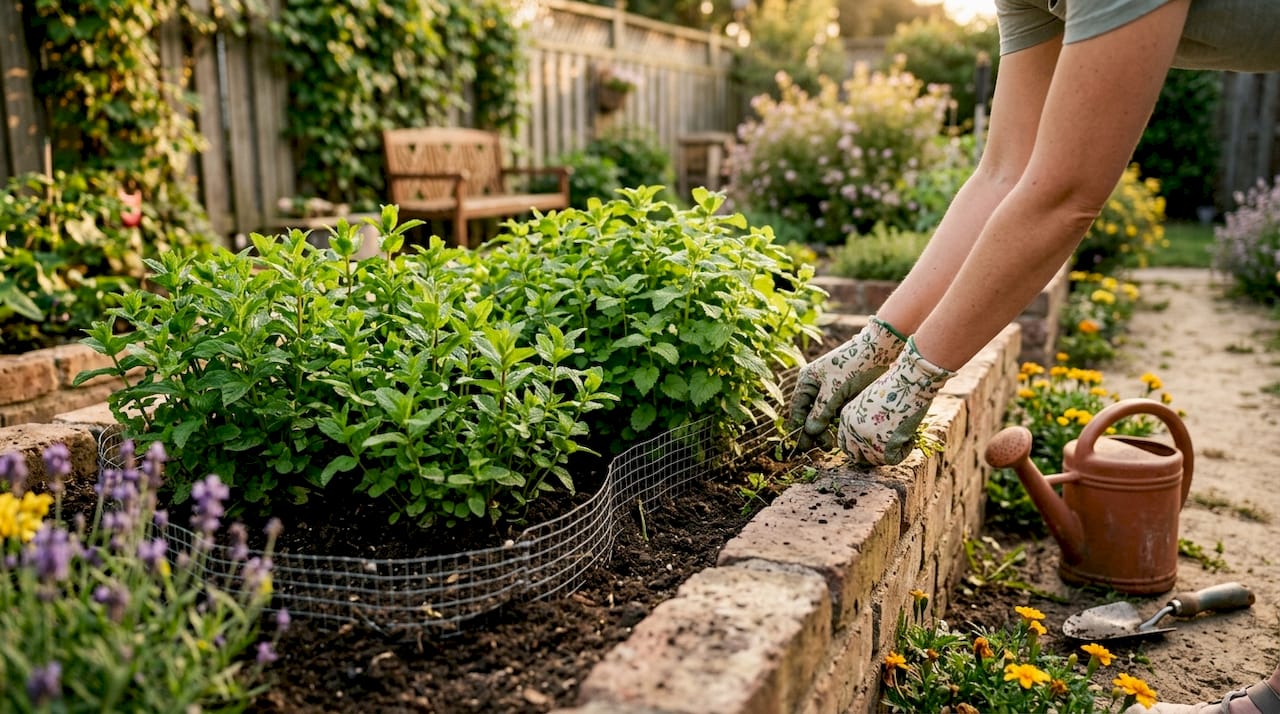
Site selection is the single most important decision in planning a tea herb garden. Choose a spot with 6–8 hours of direct sun, good drainage, and easy access for regular harvesting. Compacted or waterlogged soil kills most herbs before they establish. Raised beds solve both problems and give you full control over soil composition.
Follow these steps to get your garden bed ready:
- Clear and loosen the soil to a depth of 12 inches. Remove rocks, roots, and debris.
- Amend with organic compost worked into the top 6 inches. Compost provides season-long nutrition without the salt buildup that synthetic fertilizers can cause.
- Plant from seeds or cuttings depending on the herb. Chamomile and lemon balm grow well from seed. Mint and lavender establish faster from cuttings or transplants.
- Space plants correctly. Chamomile needs 8–12 inches between plants. Lemon balm spreads and benefits from 18 inches of clearance.
- Fertilize annuals selectively. Chamomile responds well to a balanced 5-10-5 fertilizer applied one month after planting. Perennials like peppermint and lavender need little supplemental feeding when compost is present.
Pro Tip: Grow mint and lemon balm in buried containers or raised beds with barriers. Both spread aggressively through underground runners and will crowd out neighboring herbs within a single season if left unchecked.
A 4×8 foot garden bed can supply a family of four with daily cups of herbal tea year-round when properly tended. That is a remarkably productive return on a small footprint. Gardeners with limited outdoor space can also explore indoor herb garden ideas to grow chamomile, mint, and lemon balm on sunny windowsills or under grow lights.
When and how to harvest, dry, and store your herbs
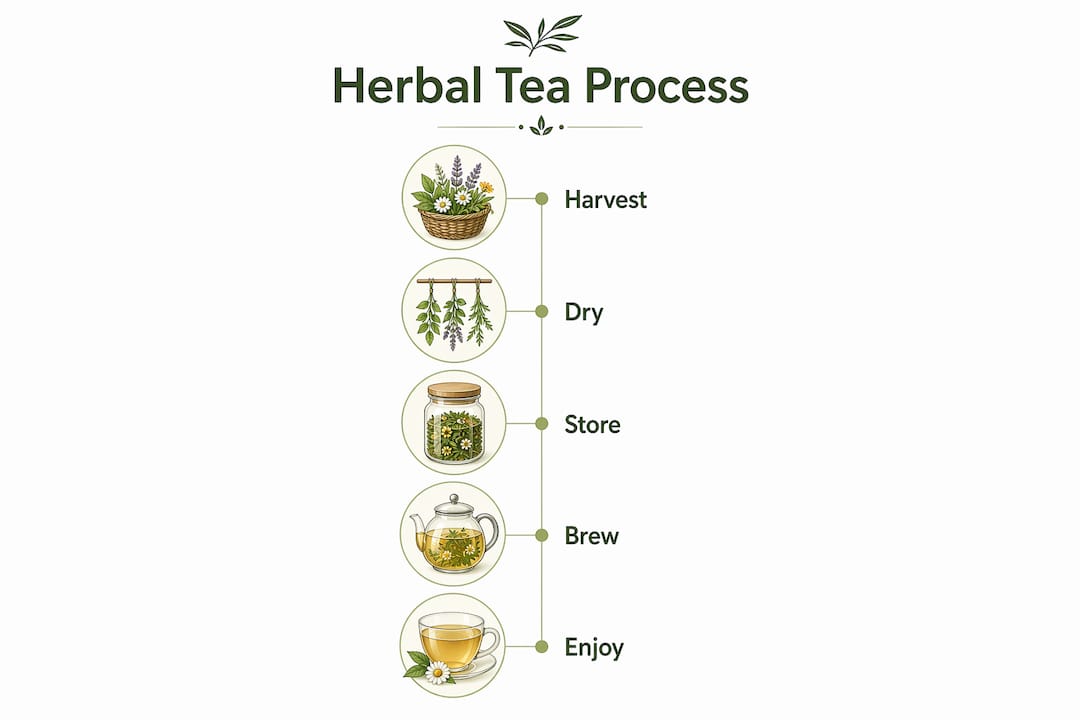
Harvest timing directly determines the potency of your tea. Harvest herbs mid-morning after the dew has dried but before the afternoon heat sets in. That window captures the highest concentration of essential oils in the leaves and flowers. Harvesting in direct afternoon sun or after rain dilutes those oils and produces weaker tea.
Pro Tip: Never harvest more than one-third of a plant at a time. Removing too much foliage stresses the plant and slows regrowth, reducing your total seasonal yield.
Drying methods each have trade-offs:
- Air drying is the gentlest method. Bundle stems loosely, hang upside down in a dark, ventilated space, and allow 1–2 weeks to dry fully. This method preserves volatile oils better than heat-based methods.
- Dehydrator drying is faster, typically 2–4 hours at 95–115°F. Use the lowest effective temperature setting to avoid cooking off the aromatic compounds.
- Low-heat oven drying works in a pinch. Set the oven to 170°F, spread herbs on a baking sheet, and check every 30 minutes. This method risks over-drying and is best reserved for roots and thick stems.
Proper storage extends potency significantly. Keep dried herbs in airtight glass jars, away from light and heat. Label each jar with the herb name and harvest date. Dried herbs stored correctly retain potency for up to a year. Signs of lost potency include faded color, no detectable scent when you crush a leaf between your fingers, and flat flavor in the cup.
| Method | Time required | Best for | Risk |
|---|---|---|---|
| Air drying | 1–2 weeks | Leaves, flowers | Mold if humidity is high |
| Dehydrator | 2–4 hours | Most herbs | Over-drying at high heat |
| Low-heat oven | 1–3 hours | Roots, thick stems | Losing volatile oils |
How to brew herbal tea for the best flavor and benefits
Fresh and dried herbs require different quantities and steeping times. Dried herbs have concentrated flavor and medicinal potency, so a standard 8-ounce cup uses 1 teaspoon of dried herb compared to 2–3 tablespoons of fresh. Fresh herbs produce gentler, brighter infusions. Dried herbs yield deeper, more medicinal results.
Follow this process for a reliable cup every time:
- Heat water to the right temperature. Delicate flowers like chamomile and lavender steep best at 200°F. Roots and bark need a full boil at 212°F for decoctions.
- Measure your herbs. Use 1 teaspoon dried or 2–3 tablespoons fresh per 8-ounce cup.
- Steep for the right duration. Steep dried herbs for 5 minutes and fresh herbs for 10–15 minutes. Longer steeping extracts more bitterness, especially from flowers.
- Cover while steeping. A lid traps volatile aromatic compounds that would otherwise escape as steam.
- Strain and adjust. Add honey or lemon after straining. Taste before sweetening since many homegrown herbs are naturally sweeter than commercial dried versions.
For sleep support, drink chamomile or valerian tea 60–90 minutes before bed. For digestion, drink peppermint or fennel tea after meals. Cold brewing works well for mint and hibiscus. Combine 2–3 tablespoons of fresh herbs with 2 cups of cold water, refrigerate overnight, and strain in the morning. Cold brew produces a smoother, less bitter result than hot steeping.
Blending by purpose multiplies the benefits of individual herbs. A lemon balm and chamomile blend targets both calm and sleep simultaneously. Commonly overlooked plants like dandelion add valuable minerals and a slightly bitter depth that balances sweeter herbs in a blend.
Lushygardens recommends starting with single-herb teas before building blends. That approach lets you identify which plants your body responds to best before combining them. For gardeners who want to expand their medicinal plant knowledge, growing herbs with documented health benefits is a natural next step.
Key Takeaways
Growing and brewing herbal teas from your garden requires matching herbs to your climate and wellness goals, harvesting at peak essential oil content, and applying the correct steeping method for fresh versus dried material.
| Point | Details |
|---|---|
| Match herbs to goals | Choose chamomile for sleep, peppermint for digestion, and hibiscus for heart health. |
| Harvest mid-morning | Collect herbs after dew dries to capture peak essential oil concentration. |
| Use correct quantities | Use 1 tsp dried or 2–3 tbsp fresh herbs per 8-ounce cup for balanced flavor. |
| Store airtight and labeled | Keep dried herbs in sealed glass jars away from light; potency lasts up to a year. |
| Start simple, then blend | Brew single herbs first to understand your body’s response before creating blends. |
What years of brewing from the garden taught me
Growing tea herbs changed how I think about the garden itself. Most gardeners treat herbs as a secondary crop, tucked into corners between vegetables. That is a mistake. A dedicated tea herb bed, even a modest 4×8 foot plot, produces more daily-use value than almost anything else you can grow.
The biggest shift for me was treating harvest time as a ritual rather than a chore. Mid-morning picking, the smell of fresh peppermint on your hands, the decision of what to dry versus what to brew fresh that afternoon. These moments build a relationship with the garden that no store-bought product replicates. The sensory experience of brewing is genuinely part of the benefit, not just the compounds in the cup.
My honest advice on blending: resist the urge to combine five herbs at once in your first season. Grow three plants well, learn their flavors and effects individually, and then start experimenting. A lemon balm and chamomile blend took me two seasons to get right. The patience was worth it. You can also check out Lushygardens’ herb garden design tips for layout ideas that make harvesting easier and more productive.

Your tea herb garden starts here
Lushygardens has built a library of practical guides for gardeners at every level. If you are setting up your first herb bed or refining an existing one, the gardening basics guide covers soil preparation, plant spacing, watering schedules, and seasonal care in plain language. For gardeners who want to keep their tea herbs productive through every season, the seasonal garden maintenance guide walks through month-by-month upkeep tasks that prevent the most common problems. Both resources are free, detailed, and written specifically for home growers who want results without guesswork.
FAQ
What are the easiest herbs to grow for herbal tea?
Chamomile, peppermint, and lemon balm are the easiest herbs to grow for tea in most American climates. All three tolerate a range of soil conditions, grow quickly from seed or transplant, and produce harvests within a single season.
How much herb do I use per cup of tea?
Use 1 teaspoon of dried herb or 2–3 tablespoons of fresh herb per 8-ounce cup. Steep dried herbs for 5 minutes and fresh herbs for 10–15 minutes for balanced flavor.
Is it safe to drink homegrown herbal tea every day?
Herbal tea is generally safe at 3–4 cups daily for healthy adults. Herbs like hibiscus, sage, licorice, and valerian can interact with medications, so consult a healthcare provider if you take prescription drugs or are pregnant.
What is the difference between an infusion and a decoction?
An infusion steeps delicate plant material like leaves and flowers in hot water, typically at 200°F. A decoction simmers tougher material like roots and bark at a full boil to extract compounds that hot steeping alone cannot release.
How do I know when my dried herbs have lost potency?
Crush a small amount between your fingers. If you detect no scent, the volatile oils have degraded. Faded color and flat flavor in the cup are also reliable signs that the herbs need replacing.
Recommended
- Growing Microgreens at Home Naturally: Easy Step-by-Step Guide – Lushy Gardens
- Practical herb garden design tips for home cooks – Lushy Gardens
- Hydroponics for Home Gardeners: Grow Fresh Herbs Indoors – Lushy Gardens
- Grow more herbs in less space: vertical gardens that deliver – Lushy Gardens

I’m Eleanor, a seasoned gardener with over three decades of experience tending to Mother Nature’s creations. Through Lushy Gardens, I aim to share my wealth of knowledge and help fellow plant enthusiasts uncover the wonders of gardening. Let’s dive into this journey together, one leaf at a time.


