
Table of Contents
TL;DR:
- Leaf mold is a soil conditioner formed by fungi breaking down deciduous leaves over time. It improves soil structure and water retention, supporting beneficial soil life, and is inexpensive to produce. Gardeners should shred leaves, maintain moisture, and be patient for best results, applying it to soil or as mulch depending on its age.
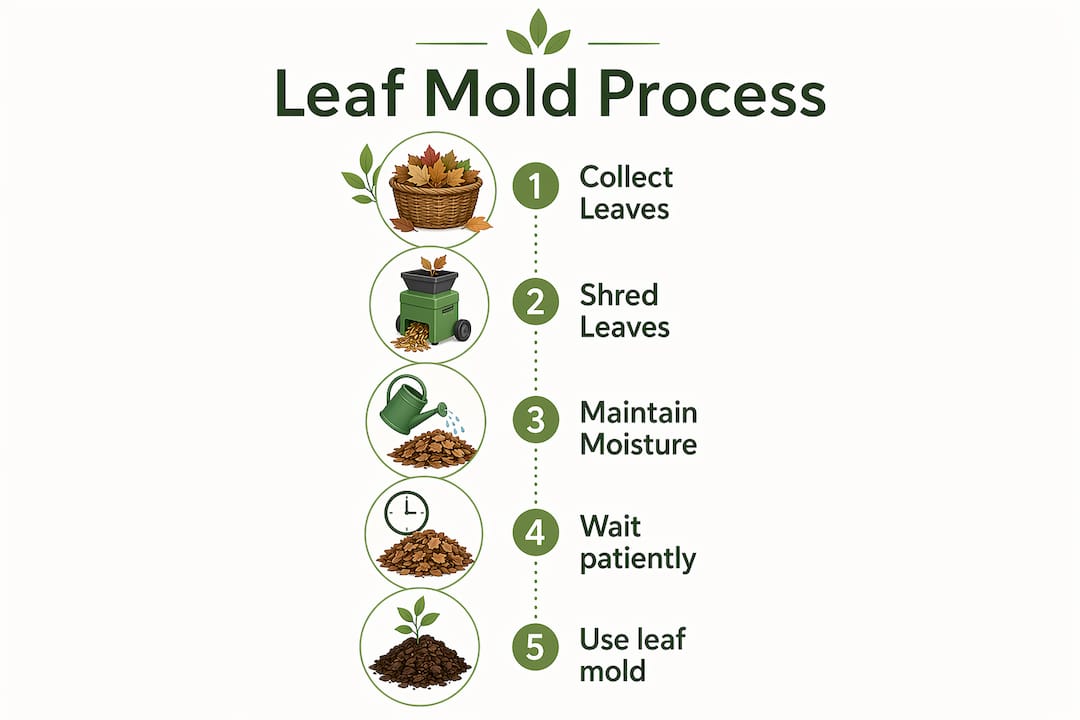
Leaf mold is defined as a dark, crumbly, earthy-smelling soil amendment formed by the slow fungal decomposition of deciduous tree leaves. Unlike compost, it works primarily as a soil conditioner rather than a nutrient booster. Gardeners prize it for improving soil structure, increasing water retention, and supporting beneficial soil life. Penn State Extension describes fallen leaves as treasure rather than trash, and once you understand what leaf mold does for your soil, you will agree. This guide covers what it is, how it forms, how it compares to compost, and how to make and use it effectively.
What is leaf mold and how does it form?
Leaf mold is the product of saprotrophic fungi breaking down the lignin in fallen deciduous leaves over time. Lignin is the tough, woody compound that gives leaves their structure. Most bacteria struggle to break it down efficiently, but saprotrophic fungi specialize in exactly this task. The result is a soft, dark material that looks and smells like forest floor soil.
The process is fundamentally different from hot composting. Hot composting relies on a mixed community of aerobic microbes, requires a balanced carbon-to-nitrogen ratio, and needs regular turning to maintain heat. Leaf mold, by contrast, is a cold, slow, fungal process. No precise carbon-to-nitrogen management is needed, and you never have to turn the pile. That simplicity is the whole point.
Decomposition speed varies by leaf type. Thin-leaved species like maple and birch break down faster than thick, waxy leaves like oak or beech. Oak leaves still work well but take longer. One leaf type to avoid entirely is black walnut. Black walnut leaves contain juglone, a toxic compound that can persist through the slow, cool decomposition process and harm sensitive plants in your garden.
- Thin leaves (maple, birch, cherry): faster breakdown, 6–12 months with shredding
- Thick leaves (oak, beech, sycamore): slower breakdown, up to 2 years undisturbed
- Pine needles: break down slowly but produce an acidic leaf mold suited to acid-loving plants
- Black walnut leaves: exclude entirely due to persistent juglone toxin
Pro Tip: Run your lawn mower over a pile of leaves before adding them to your bin. Shredding increases the surface area fungi can access, cutting decomposition time nearly in half.
What are the benefits of using leaf mold in gardening?
Leaf mold’s primary benefit is physical, not chemical. It transforms the structure of your soil in ways that make plants grow better and require less water. Leaf mold increases water retention by 2–3 times in sandy soils. That is a significant gain for gardeners dealing with fast-draining beds that dry out between waterings.
The biology it supports is equally valuable. Saprotrophic fungi introduced through leaf mold continue working in your soil long after you apply it. They support earthworm populations, improve microbial diversity, and help break down other organic matter already present. Leaf mold supports earthworms and microbes while also regulating soil temperature and suppressing weeds.
Here are the core leaf mold benefits in practical terms:
- Improved soil structure. Leaf mold creates a crumbly, open texture that lets roots penetrate easily and allows air and water to move freely through the soil.
- Higher moisture retention. Sandy soils hold water far longer when amended with leaf mold, reducing how often you need to water.
- Weed suppression. Applied as a mulch layer, leaf mold blocks light from reaching weed seeds and slows germination.
- Beneficial fungi habitat. Leaf mold provides a weed-free habitat for the fungi that improve long-term soil health.
- Earthworm activity. Earthworms are drawn to leaf mold, and their activity further aerates and enriches the soil.
Leaf mold is also free. Every autumn, your trees and your neighbors’ trees drop the raw material. Turning that material into a soil amendment costs nothing but time.
How does leaf mold differ from traditional compost?
Leaf mold and compost are both organic soil amendments, but they serve different purposes. Knowing which to use and when makes a real difference in your garden results.
Compost is nutrient-rich. It contains nitrogen, phosphorus, and potassium in forms plants can absorb relatively quickly. Leaf mold is low in all three. What it does contain in meaningful amounts is calcium and magnesium, two minerals that support cell wall development and enzyme function in plants. For gardeners who already fertilize, this distinction matters less. For those relying on amendments alone, leaf mold cannot replace compost as a nutrient source.
The decomposition processes are also distinct. Compost requires active management: turning, moisture monitoring, and a balanced mix of green and brown materials. Leaf mold decomposes slowly with saprotrophic fungi without the precise management hot composting demands. That makes it far easier to produce at home with minimal effort.
| Feature | Leaf mold | Traditional compost |
|---|---|---|
| Primary benefit | Soil structure and moisture retention | Nutrient supply |
| Nutrient content | Low NPK, moderate calcium and magnesium | High NPK |
| Decomposition process | Cold, fungal, slow | Hot, aerobic microbial, faster |
| Management required | Minimal (moisture only) | Regular turning and balancing |
| Weed seed risk | Very low | Low to moderate |
| Best use | Soil conditioner, mulch, seed medium | Fertilizer, bed preparation |
The practical takeaway: use leaf mold to improve soil texture and water-holding capacity, and use compost when plants need a nutrient boost. Many experienced gardeners use both together. For a deeper look at how these amendments compare to garden soil itself, the soil vs. compost guide at Lushygardens breaks it down clearly.
How to make leaf mold effectively
Making leaf mold requires three things: leaves, moisture, and patience. The process is genuinely low-effort, but a few decisions early on will determine whether you have finished leaf mold in 6 months or 2 years.
Collecting and preparing leaves
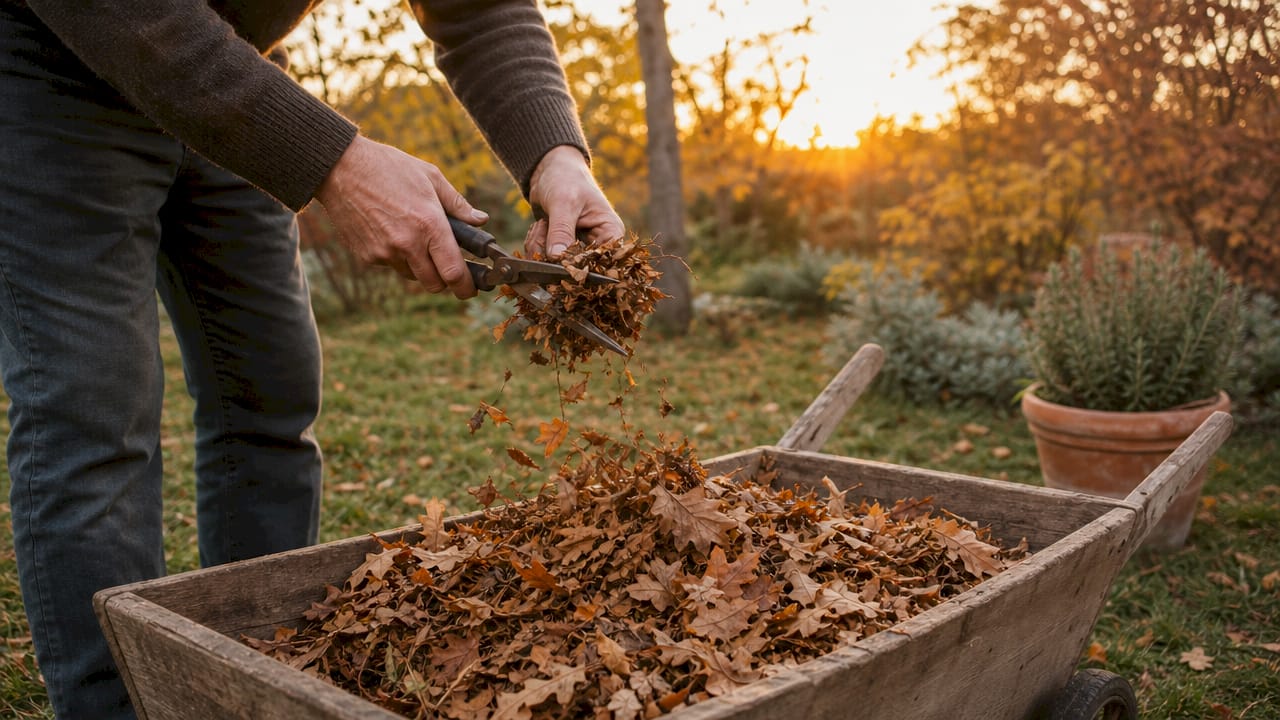
Gather leaves in autumn when they fall. Avoid black walnut leaves entirely. Shred leaves before piling them. A rotary mower works well for this. Shredding increases the surface area fungi can colonize, which speeds decomposition significantly. Adding a small amount of grass clippings injects nitrogen that further accelerates the microbial process.
Containing the pile
- A wire mesh cylinder about 3 feet wide and 3 feet tall works well and costs almost nothing to build.
- Plastic garbage bags with a few holes punched in them are an even simpler option.
- A bin 3 feet high and wide in a shaded area is the ideal setup; budget-friendly DIY bins range from $0 to $50.
- Place the pile in a shaded spot to slow moisture loss.
Managing moisture
Moisture is the most critical variable. Maintaining moisture at a wrung-out sponge level keeps fungi active. If the pile dries out, fungi go dormant and decomposition stops entirely. Check the pile every few weeks. If it feels dry, water it thoroughly. In dry climates or during summer, cover the pile with a tarp to hold moisture in.
Timeframes
Shredded leaves with consistent moisture: 6–12 months. Whole leaves left undisturbed: up to 2 years. You will know leaf mold is ready when it looks dark brown, smells like forest soil, and crumbles easily in your hand.
Pro Tip: Label your bin with the start date. It sounds obvious, but after a year you will genuinely forget when you started, and knowing the age of your leaf mold matters for how you use it.
How to use leaf mold in the garden for best results
How you use leaf mold depends on how mature it is. Age determines application.
Well-rotted leaf mold (2+ years)
Well-rotted leaf mold aged over two years works safely as a seed-sowing medium when mixed in equal parts with sharp sand and garden soil. This mix drains well, holds moisture, and provides the fine texture seeds need to germinate. It also works as a component in potting mixes for containers and raised beds.
Younger leaf mold (6–18 months)
Apply younger leaf mold as a mulch layer around established plants. A 2–3 inch layer suppresses weeds, retains moisture, and slowly feeds the soil as it continues to break down. Keep it away from plant crowns and stems to prevent rot. For more on mulching techniques that pair well with leaf mold, the mulching vegetable gardens guide at Lushygardens covers the details.
Specialty applications
- Pine needle leaf mold is acidic and ideal for ericaceous plants like blueberries, rhododendrons, and azaleas.
- Mix leaf mold into clay soils to break up compaction and improve drainage.
- Add it to sandy soils to increase water retention between waterings.
- Use it as a top dressing on lawn areas where soil is compacted or thin.
Application thickness guide
| Application type | Leaf mold age | Depth |
|---|---|---|
| Seed-sowing medium | 2+ years | Mix 1:1:1 with sand and soil |
| Mulch layer | 6–18 months | 2–3 inches |
| Soil amendment (dug in) | Any age | 2–4 inches worked into top 6 inches |
| Potting mix component | 2+ years | Up to one-third of total mix |
Key Takeaways
Leaf mold is the most underused free soil amendment available to home gardeners, delivering real improvements in soil structure and moisture retention with almost no active labor.
| Point | Details |
|---|---|
| Definition and origin | Leaf mold forms through slow fungal decomposition of deciduous leaves, not bacterial hot composting. |
| Core benefit | It improves soil structure and increases water retention by 2–3 times in sandy soils. |
| Leaf mold vs. compost | Use leaf mold for soil conditioning and moisture; use compost when plants need nutrients. |
| Making it efficiently | Shred leaves and maintain moisture at a wrung-out sponge level to finish in 6–12 months. |
| Application by age | Use well-rotted leaf mold (2+ years) for seed sowing; use younger material as mulch. |
Leaf mold is worth more patience than most gardeners give it
I have made leaf mold for years, and the single biggest mistake I see gardeners make is abandoning the pile when it looks like nothing is happening. Leaf mold is a slow process by design. The fungi doing the work are not visible, and the pile will not heat up or shrink dramatically the way a compost heap does. That stillness fools people into thinking it has failed.
The second mistake is letting the pile dry out in summer. I lost an entire batch one year because I covered it with a solid lid that blocked rain but also trapped heat. The pile baked dry by july, the fungi died off, and I had a pile of crispy brown leaves in september instead of finished leaf mold. A tarp with some airflow is far better than a sealed lid.
What I have found genuinely surprising over the years is how much difference leaf mold makes in containers. I started mixing it into my potting soil about three years ago, and the plants hold moisture noticeably longer between waterings. That matters in summer when I am away for a week at a time. Leaf mold is not glamorous, but it solves real problems quietly and for free.
My honest advice: start a leaf mold bin this autumn, even if it is just a garbage bag of shredded leaves in the corner of your yard. Check it in spring, water it if it is dry, and forget about it again. By the following autumn you will have something genuinely useful. The patience required is minimal. The reward is real.
Lushygardens has the guides to put leaf mold to work
Leaf mold fits into a broader approach to building healthy, low-maintenance garden soil. Lushygardens covers every step of that process, from preparing soil for planting to full seasonal maintenance routines. If you are new to working with organic amendments, the gardening basics for beginners guide walks through soil preparation, mulching, and plant care in plain language. For gardeners who want to build on what they know, the seasonal garden maintenance guide shows how to work leaf mold collection and application into your year-round routine. Good soil does not happen by accident. It is built one season at a time.
FAQ
What is leaf mold made of?
Leaf mold is made entirely from fallen deciduous tree leaves broken down by saprotrophic fungi over 6 months to 2 years. No other ingredients are required.
Is leaf mold better than compost?
Leaf mold and compost serve different purposes. Leaf mold excels as a soil conditioner and moisture retainer, while compost delivers higher levels of nitrogen, phosphorus, and potassium for plant nutrition.
How long does it take to make leaf mold?
Shredded leaves kept consistently moist take 6–12 months to become usable leaf mold. Whole, undisturbed leaves can take up to 2 years.
Can I use any type of leaves to make leaf mold?
Most deciduous leaves work well. Avoid black walnut leaves because juglone toxin can persist through the slow decomposition process and harm sensitive plants.
What is leaf mold used for in the garden?
Well-rotted leaf mold works as a seed-sowing medium, potting mix component, and soil amendment. Younger leaf mold serves as an effective mulch to suppress weeds and retain soil moisture.
Recommended
- What Is Leaf Variegation? A Plant Lover’s Guide – Lushy Gardens
- Home – Lushy Gardens
- The Benefits of Bay Leaves for Houseplants Are Remarkable. How to Prepare and Use Bay Leaf Fertilizer? – Lushy Gardens
- How to Clean Plant Leaves? – Lushy Gardens

I’m Eleanor, a seasoned gardener with over three decades of experience tending to Mother Nature’s creations. Through Lushy Gardens, I aim to share my wealth of knowledge and help fellow plant enthusiasts uncover the wonders of gardening. Let’s dive into this journey together, one leaf at a time.


