
Table of Contents
TL;DR:
- Connecting with the right indoor gardening community enhances your growth experience, whether through specialty clubs or social meetups. These diverse groups vary in focus, meeting style, and demographics, so choosing one that aligns with your goals and schedule is key. Engaging in both online and in-person clubs fosters learning, mentorship, and mental wellness for indoor plant enthusiasts.
Finding the right community makes all the difference when you’re building your indoor garden. Whether you’re nursing your first pothos back to health or hunting down a rare aroid, indoor gardening clubs connect you with people who genuinely understand the obsession. But with so many houseplant gardening groups, urban gardening communities, and specialty plant societies out there, choosing the right one can feel overwhelming. This guide breaks down exactly what to look for, profiles seven clubs worth knowing, and gives you a clear path to finding your best fit.
Table of Contents
- Key takeaways
- ## 1. What to look for in indoor gardening clubs
- ## 2. Seven indoor gardening clubs worth knowing
- ## 3. Club comparison at a glance
- ## 4. How to choose the right club for your goals
- My honest take on where indoor gardening clubs are heading
- Grow further with Lushygardens
- FAQ
Key takeaways
| Point | Details |
|---|---|
| Evaluate meeting format first | Choose between in-person, virtual, or hybrid clubs based on your schedule and location. |
| Specialty clubs offer deeper knowledge | Specialized plant societies provide technical depth that general groups often lack. |
| Mental wellness is a real benefit | Interacting with indoor plants reduces stress markers quickly, making club participation good for your health. |
| Subscription boxes are a valid alternative | Tiered 3, 6, and 12-month gardening subscription boxes offer club-like community without scheduled meetings. |
| Try before you commit | Guest visits or trial memberships let you assess club culture before paying annual dues. |
## 1. What to look for in indoor gardening clubs
Before you search for a club, get clear on what you actually want from one. The best indoor plant clubs for someone who grows orchids under grow lights look nothing like the best fit for someone who just wants to swap cuttings and chat over coffee. Here are the six criteria that matter most.
Meeting frequency and format. Traditional club meetings typically last about 60 minutes, with a 30-minute social period followed by educational content or discussions. Most clubs meet monthly, often on a fixed day like the third Wednesday. If your schedule is unpredictable, look for clubs with virtual or hybrid options.
Club size and demographics. A club of 15 members feels different from one with 150. Smaller groups tend to build tighter friendships and offer more one-on-one mentorship. Larger clubs often have more resources, more events, and better speaker access. Many modern clubs are actively expanding to younger members and diverse backgrounds, which changes the energy considerably.
Specialty focus. Some clubs center on a single plant family: succulents, carnivorous plants, bonsai, orchids. Others take a broader approach to indoor gardening. If you have a specific obsession, a specialty club will give you depth that a general group simply cannot match.
- Educational events: workshops, seed swaps, plant sales, and guest speakers
- Community support: online forums, mentorship pairings, and group chats
- Accessibility: parking, transit access, or quality of virtual meeting setup
- Cost: annual dues, event fees, and any equipment requirements
Pro Tip: Before joining, ask to attend one meeting as a guest. Most clubs welcome visitors, and that single visit will tell you more about the culture and vibe than any website description.
## 2. Seven indoor gardening clubs worth knowing
Valley Sun Gardeners
Based in California, Valley Sun Gardeners is a well-organized general garden club with a strong indoor plant component. Structured club agendas mix social time with expert speakers and hands-on workshops, keeping meetings to around 60 minutes. The club is approachable for beginners and provides consistent monthly programming. Their digital presence makes it easy to follow along even if you miss a meeting.
Mid-Atlantic Carnivorous Plant Society
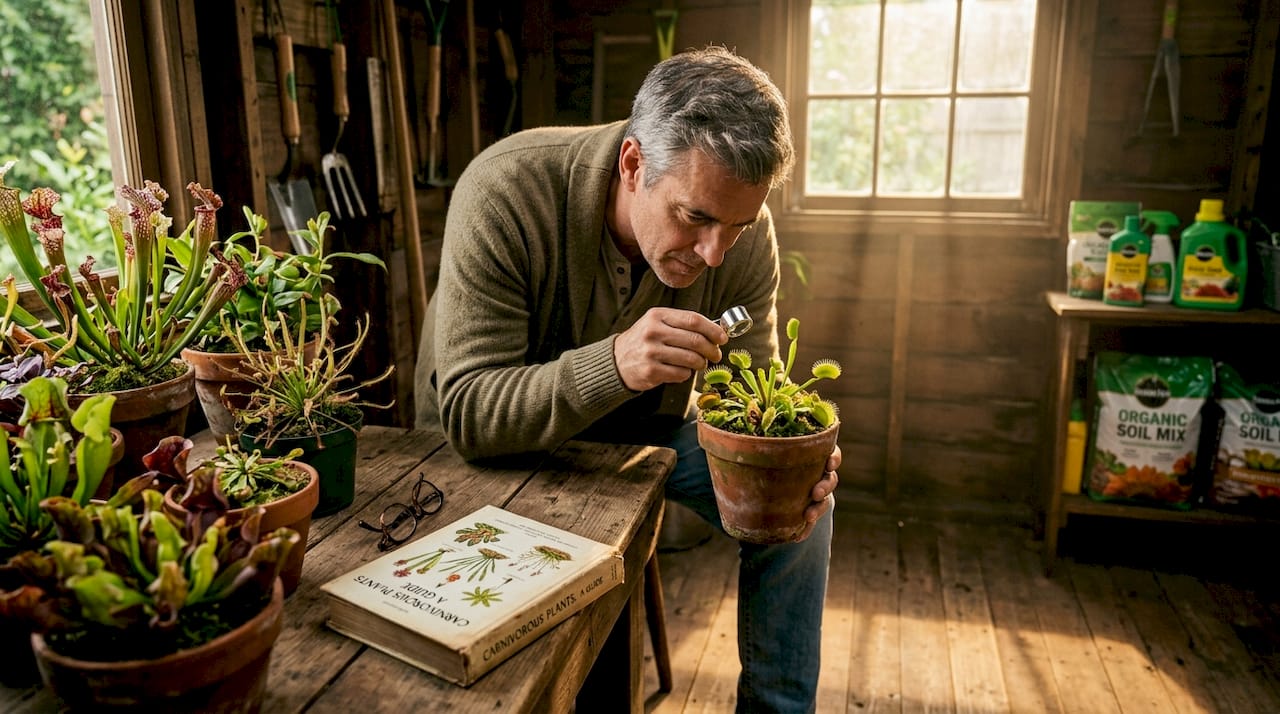
This is a specialty club for a very specific kind of plant lover. The Mid-Atlantic Carnivorous Plant Society focuses on carnivorous plants including Venus flytraps, pitcher plants, and sundews. Membership gives you access to technical growing advice, rare plant shows, and seed bank access that general houseplant gardening groups simply cannot replicate. If you grow any carnivores, this club will accelerate your knowledge faster than any YouTube channel.
Jacksonville Garden Club
Now in its 95th year, the Jacksonville Garden Club is a great example of a traditional club adapting to stay relevant. The club actively integrates youth inclusion and environmental projects, bridging indoor and outdoor gardening education. They run greenhouse work, community planting events, and mentorship programs that span generations. If you want a club with deep roots and a forward-looking mission, this one stands out.
American Orchid Society (Local Chapters)
The American Orchid Society operates local chapters across the country, making it one of the most accessible specialty clubs for orchid growers. Local chapters typically meet monthly, hold judged shows, and run educational programs ranging from beginner to advanced. Their library of care guides is extensive, and the community is known for being welcoming to newcomers with one orchid and no idea why it stopped blooming.
National African Violet Society (Local Chapters)
African violets remain one of the most popular windowsill plants in America, and NAVS chapters reflect that enthusiasm. Meetings cover propagation, soil mixes, fertilizing schedules, and show preparation. Many chapters have active online communities in addition to in-person meetings, which is helpful if your local chapter is small. The society also publishes detailed care literature that members receive as part of dues.
Urban Gardening Communities and Meetup Groups
Platforms like Meetup host dozens of urban gardening communities in most major cities, with a strong lean toward indoor plant swaps, terrarium building, and apartment-friendly growing. These groups tend to be informal, free or low-cost, and highly social. They attract younger plant enthusiasts and often organize pop-up events at local nurseries or coffee shops. If structured programming is not your priority and you just want to meet people who love plants, these groups are an excellent starting point.
Pro Tip: Search Meetup.com for “houseplant” or “indoor plants” plus your city. Many of these groups are free to join and meet weekly or biweekly, giving you far more touchpoints than a traditional monthly club.
Indoor Gardening Subscription Box Communities
Not every plant enthusiast can commit to scheduled meetings. Subscription box services offer a club-like experience with curated plants, soil, and instructions delivered monthly. Many come with tiered 3, 6, and 12-month commitments, and most include access to online communities or social media groups where members share their growing progress. Initial planting tasks often take under 30 minutes, making them a great fit for busy schedules. A succulent subscription box is a particularly good entry point if you want low-maintenance plants with a dedicated growing community.
## 3. Club comparison at a glance
| Club | Focus | Meeting style | Virtual option | Best for |
|---|---|---|---|---|
| Valley Sun Gardeners | General indoor/outdoor | Monthly, in-person | Limited | Beginners and generalists |
| Mid-Atlantic Carnivorous Plant Society | Carnivorous plants | Monthly, in-person and online | Yes | Advanced specialty growers |
| Jacksonville Garden Club | Community and indoor/outdoor | Monthly, in-person | No | Community-focused growers |
| American Orchid Society (chapters) | Orchids | Monthly, in-person | Varies by chapter | Orchid enthusiasts of all levels |
| National African Violet Society | African violets | Monthly, in-person and online | Yes | Windowsill and houseplant growers |
| Urban Gardening Meetups | General houseplants | Varies, often biweekly | Rarely | Social, casual plant lovers |
| Subscription Box Communities | Varied plant types | Self-paced, online | Always | Busy individuals, beginners |
A few things stand out when you lay these clubs side by side. Specialty clubs like the Mid-Atlantic Carnivorous Plant Society consistently offer the deepest technical content. General clubs and meetup groups win on social energy and accessibility. Subscription box communities are unique in that they work entirely around your schedule rather than asking you to adapt to theirs.
- Clubs with virtual options are worth prioritizing if you travel frequently
- Specialty clubs often have national organizations with searchable chapter locators
- Meetup-based groups tend to have lower barriers to first attendance
## 4. How to choose the right club for your goals
Choosing a club is not just about what the club offers. It is about how it fits your life right now. Here is a practical process that works.
-
Write down your actual goals. Do you want to grow food indoors, collect rare tropicals, or just meet people who share your hobby? Your answer changes everything. Someone focused on growing vegetables indoors year-round has different club needs than someone building a fern terrarium collection.
-
Be honest about your schedule. A club that meets the third Tuesday at 7pm is only a good fit if you are reliably free then. A subscription box community or an asynchronous online group may serve you better during a busy season of life.
-
Check the club’s communication culture. Some clubs run active WhatsApp groups and Discord servers between meetings. Others communicate entirely by monthly newsletter. Neither is wrong, but mismatched expectations lead to frustration.
-
Look for multi-generational clubs if you want mentorship. Clubs that actively include younger members and diverse demographics tend to pair newer growers with experienced ones more naturally, because the age gap creates a natural teaching dynamic.
-
Use the indoor gardening benefits as a filter. If mental wellness matters to you as much as growing skills, look for clubs that prioritize community warmth over technical rigor. Research confirms that plant interaction reduces stress measurably, and the right club should amplify that effect, not add scheduling stress.
Pro Tip: Give any club at least three meetings before deciding it is not for you. First meetings are always awkward. The third one is when you start to feel whether this is your people.
My honest take on where indoor gardening clubs are heading
I’ve spent years watching plant communities form, splinter, and evolve, and what strikes me most right now is how much better they’re getting at welcoming people who don’t fit the traditional mold.
For a long time, garden clubs skewed older, formal, and frankly a bit intimidating if you showed up with a half-dead snake plant and no Latin vocabulary. That’s changing. The clubs I’ve seen thrive in the past few years are the ones that figured out how to combine old-school expertise with the low-pressure social energy of a plant swap meetup.
What I find genuinely underrated is the mental health angle. Automated indoor gardening systems have lowered the barrier for beginners, which means more people are growing successfully and coming to clubs with confidence rather than embarrassment. That shift changes the whole room. When beginners feel competent, conversations go deeper faster.
The one thing I’d push back on is the idea that online communities fully replace in-person ones. They don’t. There’s something irreplaceable about watching an experienced grower repot a root-bound monstera in person, or smelling the difference between healthy and overwatered soil. The best clubs understand this and use tech to connect people between meetings, not instead of them. If you can find a club that does both well, hold onto it. Check out the 21st century gardening trends shaping how these communities operate today.
— Povilas
Grow further with Lushygardens
Whether you’re joining your first club or looking to deepen your practice between meetings, Lushygardens has the resources to keep you growing. New club members especially benefit from working through a solid beginner gardening guide before or alongside club participation. It fills in the gaps that meeting discussions often skip. You’ll also find expert indoor plant tips covering everything from light requirements to propagation techniques. For those who want to take their growing year-round, the seasonal maintenance guide at Lushygardens walks you through exactly what your plants need in every season. The community is here whenever you need it.
FAQ
What are indoor gardening clubs?
Indoor gardening clubs are organized groups of plant enthusiasts who meet regularly to share knowledge, swap plants, and learn together. They range from formal monthly societies to informal meetup groups and online subscription communities.
How often do indoor gardening clubs typically meet?
Most clubs meet monthly, often on a fixed day of the month, with meetings lasting around 60 minutes that mix social time with structured educational content.
Can I join an indoor gardening club online?
Yes. Many houseplant gardening groups operate fully online or offer hybrid formats, and subscription box communities provide an entirely self-paced alternative with active social media groups included.
Are specialty plant clubs better than general clubs?
Specialty clubs offer technical depth that general groups lack, especially for plants like orchids, carnivorous species, or bonsai. For beginners or casual growers, a general indoor plant club usually offers a more welcoming entry point.
How do I find a local indoor gardening club near me?
Search national society websites for local chapters, check Meetup.com for urban gardening communities in your city, or ask at local nurseries. Most clubs welcome guest visits before you commit to membership.
Recommended
- Essential Indoor Gardening Tips for Urban Dwellers – Lushy Gardens
- Get thriving indoor plants: expert tips for home gardeners – Lushy Gardens
- Growing Vegetables Indoors: Sustainable Food for City Living – Lushy Gardens
- Home – Lushy Gardens

I’m Eleanor, a seasoned gardener with over three decades of experience tending to Mother Nature’s creations. Through Lushy Gardens, I aim to share my wealth of knowledge and help fellow plant enthusiasts uncover the wonders of gardening. Let’s dive into this journey together, one leaf at a time.


