
Table of Contents
Snake plants produce oxygen even at night, making them uniquely efficient among houseplants for improving indoor air quality. This evergreen favorite thrives with minimal attention, tolerating low light and infrequent watering while helping reduce common indoor air pollutants. Whether you’re a beginner or busy plant owner, understanding snake plant benefits and care needs helps you create healthier indoor spaces with confidence.
Key Takeaways
| Point | Details |
|---|---|
| Air Purification | Snake plants reduce VOCs by 10-15% in typical home environments with multiple plants. |
| Low Maintenance | Water only every 2 to 6 weeks and tolerate low to moderate indirect light conditions. |
| Pet Safety | Mildly toxic to cats and dogs, causing minor gastrointestinal upset if ingested. |
| Care Simplicity | Ideal for beginners and busy schedules due to drought tolerance and minimal requirements. |
Introduction to Snake Plants and Their Popularity
Snake plants, scientifically known as Sansevieria trifasciata, belong to the Asparagaceae family and originate from West Africa. These striking plants feature upright, sword-shaped leaves with distinctive variegated patterns in shades of green, yellow, and white. Over the past decade, snake plants have surged in popularity among indoor gardeners, driven by rising interest in biophilic design and urban wellness trends.
Their appeal stems from multiple factors. Snake plants offer architectural beauty that complements modern interiors while requiring remarkably little effort to maintain. Unlike many houseplants that demand precise watering schedules and bright light, snake plants explained thrive in a wide range of indoor conditions. This hardiness makes them perfect for apartments, offices, and homes with varying light levels.
Key characteristics that contribute to their popularity include:
- Tolerance for neglect and irregular watering schedules
- Ability to survive in low light environments where other plants struggle
- Striking vertical growth pattern that adds visual interest to any space
- Minimal pest problems and disease resistance
- Air-purifying qualities that enhance indoor environments
The combination of aesthetic appeal and practical benefits has established snake plants as a top choice for home gardeners seeking both beauty and functionality. Their reputation as nearly indestructible houseplants continues to attract newcomers to indoor gardening while satisfying experienced plant enthusiasts looking for reliable, low-effort additions to their collections.
How Snake Plants Purify Indoor Air
Snake plants improve indoor air quality through a unique metabolic process called Crassulacean Acid Metabolism (CAM) photosynthesis. Unlike most houseplants that only produce oxygen during daylight hours, snake plants convert CO2 into oxygen 24 hours a day by opening their stomata at night. This nighttime gas exchange makes them particularly valuable for bedrooms and enclosed spaces where air circulation decreases after dark.
The air purification benefits extend beyond oxygen production. Snake plants absorb volatile organic compounds (VOCs) that commonly accumulate indoors from furniture, paint, cleaning products, and building materials. These pollutants include formaldehyde, benzene, xylene, and toluene, which can cause headaches, respiratory irritation, and long-term health concerns.
Common indoor air pollutants snake plants help remove:
- Formaldehyde from pressed wood furniture and insulation
- Benzene from tobacco smoke and synthetic fabrics
- Xylene and toluene from paints and adhesives
- Trichloroethylene from dry cleaning and industrial solvents
Research indicates that house plants generally reduce VOCs by 10-15% under normal home conditions. While this represents modest improvement, the effect becomes more noticeable with multiple plants distributed throughout living spaces. A bedroom with two to three mature snake plants can experience measurable air quality improvements compared to plant-free rooms.
Air Quality Fact: Studies show that achieving significant VOC reduction requires approximately one plant per 100 square feet of floor space, with snake plants among the most efficient options for this purpose.
Snake plants work best as part of an integrated approach to indoor air quality. Combine them with proper ventilation, regular cleaning to reduce dust, and minimizing VOC sources when possible. The snake plant air benefits complement rather than replace mechanical air filtration systems, providing a natural layer of protection that also enhances your living environment aesthetically.
For maximum effectiveness, position multiple snake plants in rooms where you spend the most time. Their continuous oxygen production and VOC absorption create healthier indoor environments without demanding extensive care or maintenance from busy homeowners.
Low-Maintenance Care Needs of Snake Plants
Snake plants earn their reputation as beginner-friendly houseplants through remarkably simple care requirements that accommodate busy schedules and occasional neglect. The most critical aspect of snake plant care involves understanding their drought tolerance and minimal water needs. Unlike tropical houseplants that require frequent watering, snake plants store water in their thick, succulent leaves.
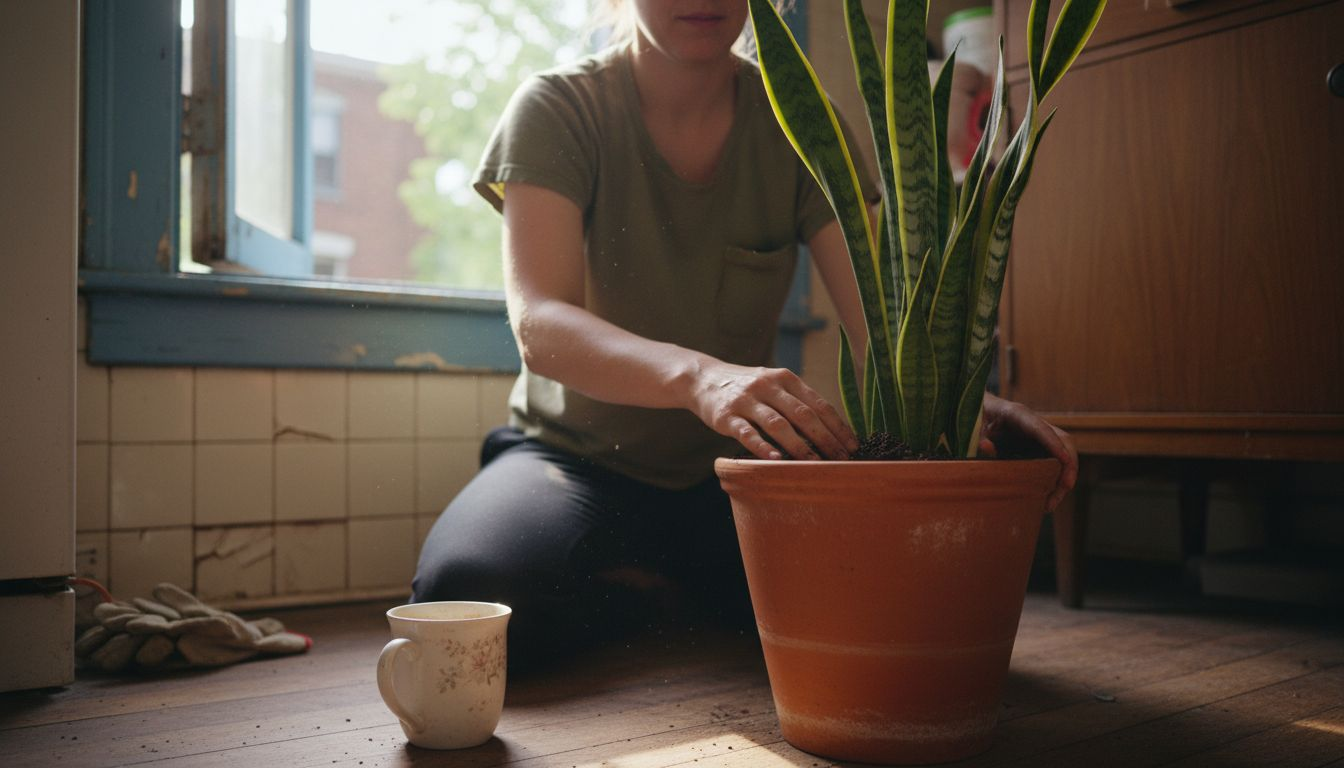
Watering snake plants properly means checking soil dryness before adding moisture. During growing seasons (spring and summer), water approximately every 2 to 3 weeks when the top 2 inches of soil feel completely dry. In fall and winter, extend this interval to 4 to 6 weeks as plant growth slows and water uptake decreases. Always allow excess water to drain completely, as standing water leads to root rot, the primary cause of snake plant failure.
Pro Tip: Insert your finger into the soil up to the second knuckle. If you feel any moisture, wait another week before watering. This simple test prevents overwatering, which kills more snake plants than any other care mistake.
Light requirements remain equally flexible. Snake plants tolerate low to moderate indirect light, making them suitable for offices with fluorescent lighting or rooms with north-facing windows. While they survive in dim conditions, growth remains slow. Bright indirect light from east or west windows promotes faster growth and more vibrant leaf coloring without the leaf burn that direct sunlight causes.
Propagation offers an easy way to expand your collection:
- Leaf cuttings: Cut healthy leaves into 3-inch sections and plant in well-draining soil
- Division: Separate offshoots (pups) from the mother plant during repotting
- Both methods succeed with minimal intervention and no special equipment
The straightforward nature of snake plant propagation allows beginners to multiply their plants without purchasing expensive tools or rooting hormones. Simply provide well-draining soil, occasional water, and patience while new roots establish over several weeks.
Fertilization remains optional for snake plants. A diluted, balanced houseplant fertilizer applied once during spring and once in summer supports healthy growth, but these resilient plants survive perfectly well without supplemental feeding. Their ability to thrive in nutrient-poor conditions makes them ideal for gardeners who prefer low-intervention plant care.
Common Misconceptions about Snake Plants
Several persistent myths surround snake plants, leading to unrealistic expectations and care mistakes. Addressing these misconceptions helps home gardeners make informed decisions and properly maintain their plants.
The most widespread myth suggests snake plants dramatically purify indoor air and eliminate the need for ventilation or air filters. While snake plants explained accurately describe their air-cleaning abilities, the scale of impact requires perspective. Real-world air cleaning efficiency depends on plants and room size, typically achieving about 10-15% VOC reduction. This modest improvement benefits health but cannot replace mechanical air purifiers or proper ventilation in homes with significant pollution sources.
“House plants provide supplementary air purification, not primary filtration. Realistic expectations prevent disappointment while allowing you to appreciate the genuine benefits plants offer as part of a comprehensive indoor air quality strategy.”
Watering frequency represents another common source of confusion. Many new plant owners assume all houseplants need weekly watering, leading to overwatered snake plants with yellowing leaves and mushy roots. The truth contradicts this assumption. Snake plants evolved in arid regions and store water efficiently in their thick leaves. Infrequent watering every 2 to 6 weeks suffices, with longer intervals during winter dormancy.
Key misconceptions clarified:
- Snake plants do not continuously and significantly purify air alone; they provide modest, supplementary benefits
- Weekly watering harms rather than helps; allow soil to dry completely between waterings
- Direct sunlight burns leaves; indirect light works best for healthy growth
- All snake plant varieties are not identical; some require slightly different care approaches
Pet safety concerns generate frequent questions. Snake plants are mildly toxic to pets, containing saponins that cause gastrointestinal upset if cats or dogs chew leaves. However, snake plants cause only mild symptoms like drooling, nausea, or diarrhea rather than life-threatening reactions. Place plants on high shelves or in rooms pets cannot access to prevent curious nibbling.
Understanding the realistic capabilities and limitations of snake plants ensures successful growing experiences. They offer genuine benefits for indoor air quality, require minimal maintenance, and tolerate neglect better than most houseplants. Setting appropriate expectations based on scientific evidence rather than marketing hype allows you to fully appreciate what these remarkable plants contribute to your home environment.
Comparison with Other Popular Indoor Air-Purifying Plants
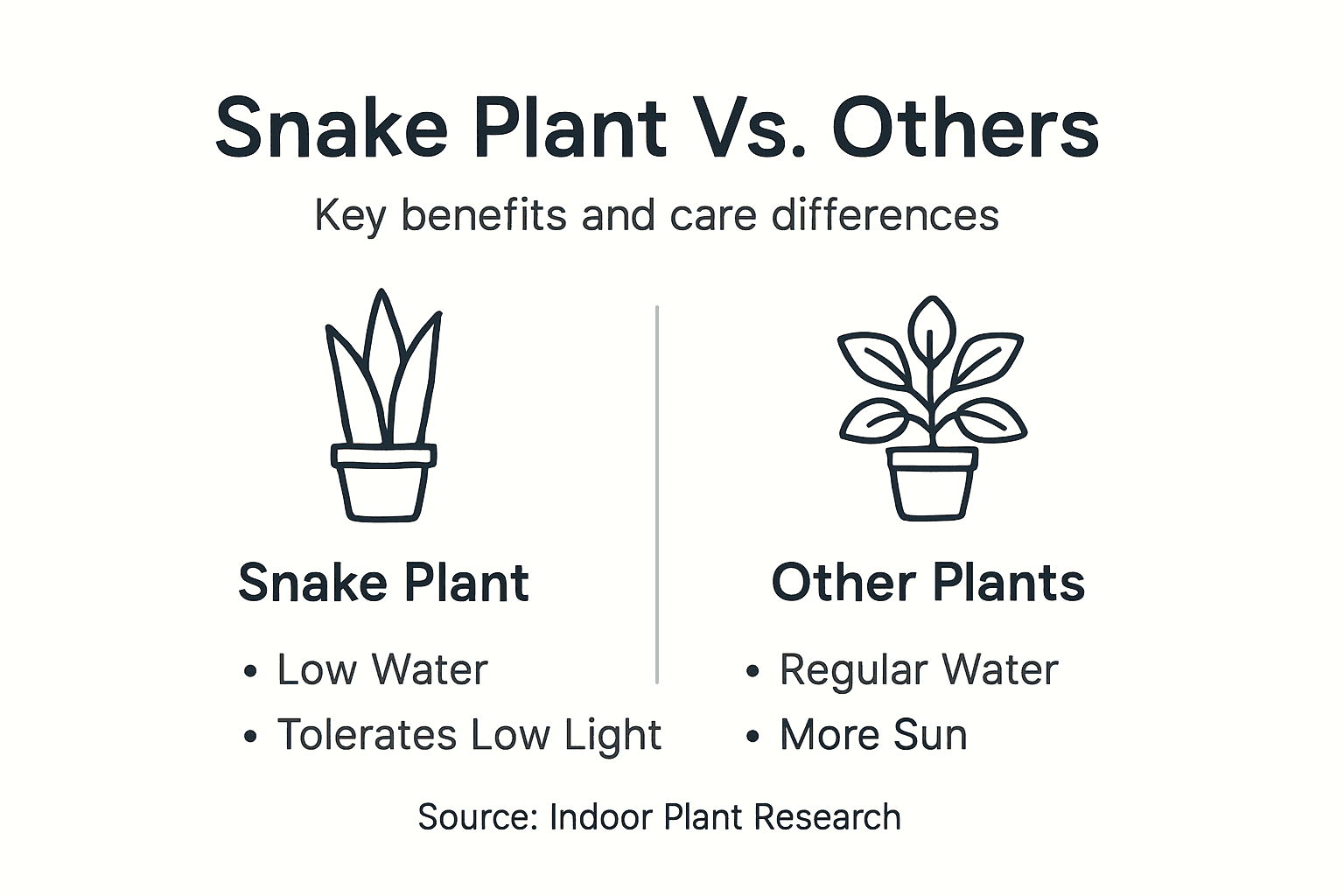
Choosing the right air-purifying houseplant depends on your lifestyle, available light, and maintenance preferences. Snake plants occupy a unique position among popular options, balancing air-cleaning efficiency with exceptional ease of care. Comparing them to alternatives like pothos and spider plants reveals distinct advantages for specific situations.
| Plant Type | Watering Frequency | Light Tolerance | Air Purification | Best For |
|---|---|---|---|---|
| Snake Plant | Every 2-6 weeks | Low to bright indirect | Moderate VOC reduction, 24-hour oxygen | Low maintenance, beginners, low light spaces |
| Pothos | Every 1-2 weeks | Low to bright indirect | Moderate VOC reduction | Trailing displays, consistent care routines |
| Spider Plant | Every 1-2 weeks | Bright indirect | Good VOC reduction | Hanging baskets, moderate maintenance |
Snake plants excel in environments where watering schedules become irregular or forgotten. Their succulent leaves store moisture for extended periods, allowing them to survive weeks without attention. This drought tolerance surpasses both pothos and spider plants, which show stress signs like wilting or brown tips when watering lapses occur.
Light adaptability represents another key advantage. While all three plants tolerate lower light levels, snake plants maintain health in dimmer conditions than spider plants require. Pothos matches snake plants for low-light tolerance but needs more frequent watering to compensate. This combination makes snake plants ideal for offices, bathrooms, or rooms with limited natural light where other plants struggle.
Pro Tip: Match your plant choice to your lifestyle rather than appearance alone. If you travel frequently or forget watering schedules, snake plants provide the most forgiving option. For those who enjoy regular plant care routines, spider plants or pothos offer faster growth and more dramatic displays.
Air purification capacity remains relatively similar across these popular houseplants, with comparison of air purifying plants showing modest differences in VOC removal efficiency. Snake plants stand out for their unique nighttime oxygen production through CAM photosynthesis, making them particularly valuable in bedrooms where air exchange decreases during sleep.
Considerations for specific environments:
- Bedrooms: Snake plants win for nighttime oxygen production
- Bathrooms: Snake plants tolerate humidity fluctuations best
- Offices: Snake plants survive irregular care from busy professionals
- Bright rooms: Spider plants grow faster with adequate light
- Trailing displays: Pothos creates dramatic cascading effects
The balanced performance of snake plants across multiple factors explains their enduring popularity. They may not grow as quickly as pothos or produce as many offshoots as spider plants, but their combination of air purification, minimal care needs, and adaptability to various light conditions creates an ideal package for most home gardeners.
Practical Tips for Maximizing Advantages of Snake Plants
Optimizing snake plant benefits requires strategic placement and informed care decisions that align with their natural characteristics. Follow these practical steps to enhance air quality and ensure healthy growth:
- Position plants strategically in rooms where you spend the most time, such as bedrooms, living rooms, and home offices. Place at least one mature snake plant per 100 square feet for noticeable air quality improvements.
- Adjust watering seasonally by reducing frequency during fall and winter when plant growth slows and indoor heating decreases humidity. Spring and summer require slightly more frequent watering as plants actively grow.
- Use well-draining soil specifically formulated for succulents or cacti. Standard potting mix retains too much moisture and increases root rot risk. Add perlite or coarse sand if necessary.
- Monitor leaf appearance for care feedback. Yellow leaves indicate overwatering, while brown tips suggest underwatering or low humidity. Wrinkled leaves signal severe dehydration.
- Rotate plants quarterly to ensure even light exposure and balanced growth. Snake plants naturally lean toward light sources, causing asymmetrical development without regular rotation.
- Maintain pet safety by placing plants on elevated surfaces or in rooms where cats and dogs cannot access leaves. While snake plant toxicity causes only mild symptoms, prevention avoids unnecessary veterinary visits.
Pro Tip: Propagate new plants from healthy leaf cuttings during spring repotting sessions. This timing coincides with active growth periods, improving success rates while expanding your collection affordably.
Temperature stability matters more than specific ranges. Snake plants tolerate temperatures between 55°F and 85°F but suffer damage from sudden temperature swings or cold drafts. Keep plants away from air conditioning vents, heating registers, and exterior doors that open frequently during winter.
Dust accumulation on leaves reduces photosynthesis efficiency and limits air purification capacity. Wipe leaves monthly with a damp cloth to remove dust and maintain optimal gas exchange. This simple maintenance step significantly improves plant health and air-cleaning performance.
Common care pitfalls to avoid:
- Overwatering remains the leading cause of snake plant death
- Direct sunlight burns leaves and causes permanent scarring
- Overfertilization creates salt buildup that damages roots
- Repotting too frequently disturbs root systems unnecessarily
Implement these snake plant care tips consistently to maximize both ornamental value and air purification benefits. The minimal time investment required delivers substantial returns in improved indoor air quality and attractive, healthy plants that enhance your living spaces for years.
Conclusion and Summary of Key Advantages
Snake plants deliver genuine air purification benefits by reducing VOCs by 10-15% in typical home environments while producing oxygen continuously through unique CAM photosynthesis. Their remarkable tolerance for neglect, infrequent watering needs, and adaptability to various light conditions make them ideal for beginners and busy homeowners seeking low-maintenance greenery. By understanding realistic expectations for air quality improvement and following simple care guidelines, you can successfully incorporate snake plants into healthier, more attractive indoor spaces that require minimal ongoing attention.
Explore More Indoor Plant Care Resources at Lushy Gardens
Lushy Gardens offers comprehensive guidance for successfully nurturing snake plants and expanding your indoor garden with confidence. Our detailed indoor plant care tips cover everything from troubleshooting common problems to selecting the best plants for your specific environment. Whether you want to master the art of propagating snake plants or refine your approach to watering indoor plants, our expert resources provide practical advice that transforms your indoor gardening skills. Visit Lushy Gardens today to access proven strategies that help your plants thrive while creating healthier, more beautiful living spaces.
FAQ
Are snake plants safe for pets?
Snake plants contain saponins that cause mild gastrointestinal upset if cats or dogs chew leaves. Symptoms include drooling, nausea, and diarrhea but rarely require veterinary intervention. Place plants out of reach to prevent curious pets from nibbling, and monitor animals for unusual behavior if ingestion occurs. Learn more about snake plant pet safety to protect your furry companions.
How often should I water my snake plant?
Water your snake plant every 2 to 6 weeks depending on season, humidity, and soil dryness. Check that the top 2 inches of soil feel completely dry before adding water, and reduce frequency during winter dormancy. Overwatering causes root rot, the primary killer of snake plants, so err on the side of less water rather than more. Follow our detailed watering guide for seasonal adjustments.
Can snake plants survive in low-light conditions?
Snake plants tolerate low to moderate indirect light better than most houseplants, making them suitable for offices and north-facing rooms. While they survive in dim conditions, growth slows considerably compared to brighter locations. Avoid direct sunlight, which burns leaves and causes permanent scarring. Discover optimal placement strategies in our low-light care guide for healthy growth.
Recommended
- Snake Plant Benefits: Cleaner Air and Stylish Homes – Lushy Gardens
- Snake Plant Care: 30% Air Toxin Reduction in 24 Hours – Lushy Gardens
- 7 Best Air Purification Plants for Healthier Indoor Air – Lushy Gardens
- Snake Plants Explained: Boosting Urban Home Wellness – Lushy Gardens
- 7 heimische heilpflanzen für deine Gesundheit – Kühlkern UG (Haftungsbeschränkt)
- Gartenpflege ist Leidenschaft! Und Zeit! Der Automower begleitet Sie! – hotelimpulse

I’m Eleanor, a seasoned gardener with over three decades of experience tending to Mother Nature’s creations. Through Lushy Gardens, I aim to share my wealth of knowledge and help fellow plant enthusiasts uncover the wonders of gardening. Let’s dive into this journey together, one leaf at a time.


