
Table of Contents
Noticing your prized plant leaves fading from green to yellow can be unsettling, especially for beginners adjusting to indoor gardening in New York, London, or Tokyo apartments. Leaf yellowing, or chlorosis, often highlights more than a surface-level issue, signaling roots, nutrients, or even light might need attention. By understanding these leaf discoloration signals, indoor gardeners gain the power to diagnose problems early, supporting healthier, more vibrant plants in every urban space.
Key Takeaways
| Point | Details |
|---|---|
| Understanding Leaf Yellowing | Yellowing leaves signal underlying health issues such as nutrient deficiencies or environmental stressors that require prompt diagnosis. |
| Common Causes | Key causes include overwatering, inadequate light, nutrient deficiencies, and pest infestations, necessitating careful observation. |
| Monitoring Tools | Using tools like moisture meters and light meters can help maintain optimal growing conditions and prevent leaf yellowing. |
| Systematic Recovery | A systematic approach to plant care, including diagnosing and adjusting care practices, is essential for restoring plant health and preventing future issues. |
What Yellowing Leaves Signal in Plants
Plant leaves turning yellow represent a critical communication system from your green companions, signaling potential underlying health issues. Understanding these leaf discoloration signals helps gardeners diagnose and address problems before they become serious.
Yellowing, or chlorosis, isn’t just a cosmetic concern but a complex physiological response indicating multiple potential problems. These signals can emerge from various sources, ranging from nutrient deficiencies to environmental stressors.
The most common causes of yellowing leaves include:
- Overwatering or poor drainage
- Nutrient deficiencies, particularly nitrogen
- Inadequate light exposure
- Pest infestations
- Temperature stress
- Root damage
- Soil pH imbalances
Interestingly, the pattern and location of yellowing provide crucial diagnostic information. For instance, yellowing starting from older leaves might indicate different issues compared to yellowing emerging in newer growth. Careful observation allows plant owners to decode these botanical distress signals.
Pro tip: Keep a plant journal documenting leaf changes, watering schedules, and environmental conditions to track potential patterns and diagnose issues more effectively.
Common Causes of Leaf Yellowing Indoors
Indoor plants are sensitive ecosystems, and yellowing leaves represent a critical distress signal that requires careful interpretation. Understanding the root causes of leaf discoloration helps plant owners diagnose and address potential health issues before they become catastrophic.
In indoor environments, watering imbalances dramatically impact plant health, creating conditions that lead to leaf yellowing. These imbalances manifest through two primary scenarios: overwatering and underwatering, each producing distinct physiological stress responses.
The most significant causes of indoor leaf yellowing include:
- Watering Problems
- Overwatering leading to root rot
- Underwatering causing drought stress
- Nutrient Deficiencies
- Nitrogen depletion
- Iron deficiency
- Mineral imbalances
- Environmental Stressors
- Insufficient light exposure
- Incorrect temperature ranges
- Poor air circulation
- Biological Factors
- Pest infestations
- Fungal infections
- Bacterial diseases
Each cause presents unique symptoms and requires targeted intervention. For instance, nitrogen-deficient plants typically show yellowing in older leaves, while pest-related yellowing often appears more mottled and irregular. Careful observation and systematic diagnosis are key to understanding these complex botanical signals.
Here’s a quick comparison of indoor plant yellowing symptoms and what they usually indicate:
| Yellowing Pattern | Likely Cause | Fastest Fix |
|---|---|---|
| Older leaves turn yellow | Nitrogen deficiency | Add appropriate fertilizer |
| New leaves yellow with green veins | Iron deficiency | Use an iron chelate supplement |
| Lower leaf edges yellow and brown | Overwatering | Improve drainage and reduce watering |
| Random yellow spots or patches | Pest infestation | Inspect and treat with insecticide |
| Pale, uniformly yellow leaves | Lack of light | Move to brighter location |
Successful plant care requires viewing yellowing leaves not as a problem, but as a communication method your plants use to request help.
Pro tip: Develop a consistent weekly inspection routine, checking leaf color, soil moisture, and overall plant appearance to catch potential issues early and prevent extensive damage.
How Watering and Light Affect Leaf Color
Plant leaves are sophisticated biological indicators that respond dramatically to environmental conditions, particularly water and light availability. Understanding these complex interactions reveals how seemingly simple factors can profoundly transform leaf appearance and overall plant health.
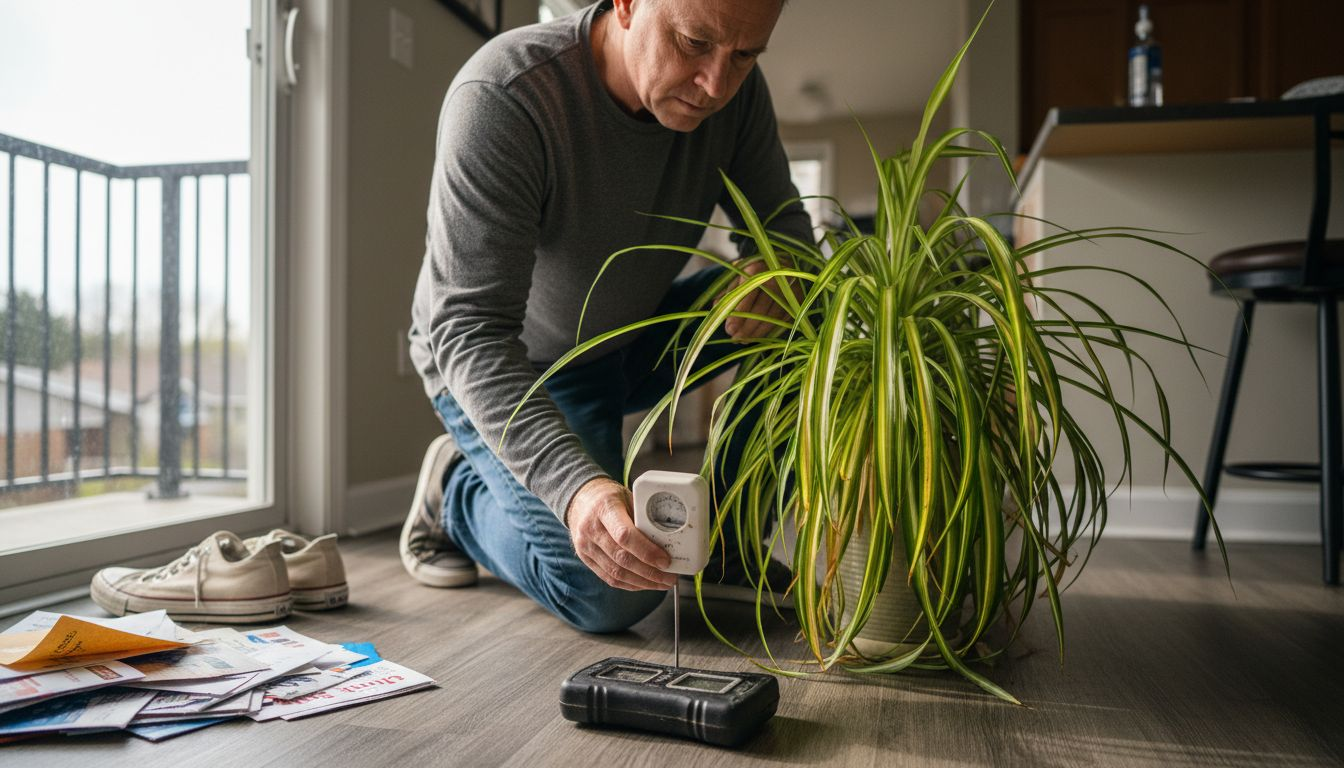
Water plays a critical role in leaf coloration, with optimal plant hydration strategies determining whether leaves maintain their vibrant green or begin to yellow. Insufficient water causes cellular stress, disrupting chlorophyll production and leading to discoloration, while excessive water can suffocate root systems and trigger similar physiological breakdowns.
The key factors influencing leaf color include:
- Water-Related Factors
- Soil moisture levels
- Water quality
- Drainage efficiency
- Root system health
- Light-Related Factors
- Light intensity
- Duration of light exposure
- Light spectrum
- Positioning relative to light source
- Interaction Effects
- Combined water and light stress
- Photosynthetic efficiency
- Nutrient absorption capabilities
Light exposure directly impacts leaf pigmentation through photosynthetic processes. Different light intensities trigger varying metabolic responses, with insufficient light causing chlorosis (yellowing) and excessive light leading to bleaching or scorching. Plants essentially communicate their environmental comfort through subtle color changes.
Plants don’t just grow—they constantly negotiate their survival through intricate color and structural transformations.
Pro tip: Invest in a moisture meter and light meter to objectively track your indoor plant’s environmental conditions, removing guesswork from your care routine.
Review this summary of essential plant diagnostic tools and their benefits:
| Tool | What It Measures | Plant Care Benefit |
|---|---|---|
| Moisture meter | Soil water content | Prevents over- or underwatering |
| Light meter | Light intensity | Ensures proper light exposure |
| Soil testing kit | Nutrients and pH | Guides fertilizer and pH adjustments |
| Magnifying glass | Leaf pests/damage | Early pest detection and ID |
Pests and Diseases That Cause Yellowing
Plant health is a delicate balance, with yellowing leaves serving as an early warning system for potential pest and disease invasions. Understanding these biological threats helps gardeners intervene quickly and protect their indoor plant ecosystems from widespread damage.
Most indoor plant challenges stem from microscopic invaders that disrupt normal physiological processes. Common indoor plant pests can rapidly transform healthy foliage into a landscape of yellowing, weakened vegetation through systematic destruction of plant tissues.
The primary pests and diseases causing leaf yellowing include:
- Insect Pests
- Spider mites
- Aphids
- Whiteflies
- Mealybugs
- Scale insects
- Fungal Diseases
- Root rot
- Powdery mildew
- Verticillium wilt
- Fusarium wilt
- Bacterial Infections
- Bacterial leaf spot
- Crown and root rot
- Soft rot
- Viral Pathogens
- Mosaic viruses
- Leaf curl viruses
- Tomato spotted wilt virus
Each pathogen attacks plants differently, creating unique yellowing patterns. Spider mites, for instance, create stippled yellow patches, while fungal infections often cause systematic yellowing starting from leaf edges or lower sections of the plant. Bacterial infections typically create irregular yellow-brown lesions that progressively spread.
Vigilant monitoring is the first line of defense against plant health threats—early detection can mean the difference between saving and losing your plant.
Pro tip: Quarantine new plants for two weeks before introducing them to your existing collection, and inspect them thoroughly under bright light to catch potential pest infestations early.
Nutrient Deficiencies and Soil Problems
Nutrient deficiencies are complex biochemical puzzles that manifest dramatically through yellowing leaves, creating visual distress signals in plants. Understanding these intricate nutritional challenges requires a comprehensive approach to plant health and soil management.
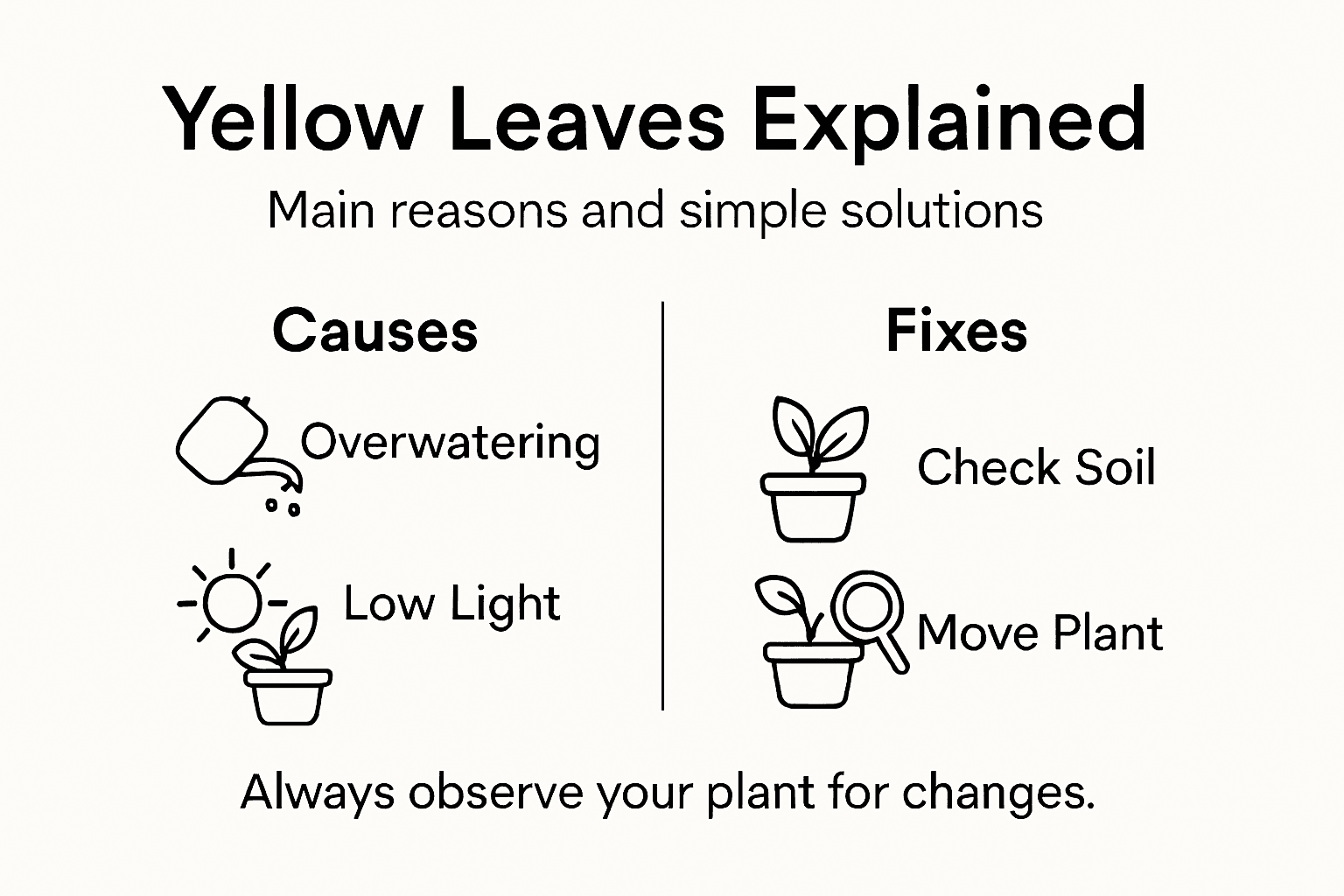
Plants communicate nutrient imbalances through specific leaf discoloration patterns, with each nutrient deficiency producing unique visual symptoms. The color, location, and progression of yellowing provide critical diagnostic information about underlying soil and metabolic problems.
Key nutrient deficiencies causing leaf yellowing include:
- Nitrogen Deficiency
- Yellowing of older leaves first
- Overall pale green to yellow appearance
- Stunted growth
- Iron Deficiency
- Interveinal chlorosis in new leaves
- Bright yellow leaves with green veins
- Most common in alkaline soils
- Magnesium Deficiency
- Yellowing between leaf veins
- Affects older leaves
- Potential leaf drop
- Manganese Deficiency
- Speckled yellowing pattern
- Reduced photosynthetic efficiency
- Common in high pH soils
Soil pH plays a critical role in nutrient availability, acting as a gatekeeper that can lock out essential minerals even when they are physically present in the soil. Acidic or alkaline conditions can dramatically impede nutrient absorption, creating complex challenges for plant health.
Soil is a living ecosystem—understanding its chemistry is key to resolving plant nutritional challenges.
Pro tip: Invest in a comprehensive soil testing kit to diagnose precise nutrient levels and pH, enabling targeted interventions for optimal plant nutrition.
Fixing Yellow Leaves and Preventing Recurrence
Restoring plant health requires a systematic approach that addresses both immediate symptoms and underlying causes of leaf yellowing. Targeted interventions can transform struggling plants, bringing them back from the brink of decline and preventing future issues.
The recovery process begins with precise diagnostic steps, using targeted plant rescue techniques to identify and address specific stressors causing leaf discoloration. Each intervention must be carefully tailored to the plant’s unique environmental and nutritional needs.
Comprehensive plant recovery strategies include:
- Diagnostic Assessment
- Identify specific yellowing patterns
- Determine root cause of discoloration
- Check soil conditions and nutrient levels
- Immediate Treatment Steps
- Adjust watering frequency
- Remove severely damaged leaves
- Isolate affected plants
- Nutrient Rehabilitation
- Apply targeted fertilizer
- Correct soil pH
- Introduce micronutrient supplements
- Environmental Optimization
- Adjust light exposure
- Improve air circulation
- Maintain consistent temperature
- Prevention Techniques
- Regular plant health monitoring
- Implement preventative care routine
- Create stable growing environment
Successful plant recovery requires patience and consistent care. Some yellowing might persist during healing, but steady improvements indicate effective intervention. Systematic approaches transform struggling plants by addressing root causes rather than merely treating symptoms.
Recovery is a journey, not a destination—plants communicate their healing through gradual, subtle transformations.
Pro tip: Create a plant recovery journal to track interventions, noting changes in leaf color, growth patterns, and overall plant health for more effective long-term care.
Unlock the Secrets Behind Yellowing Leaves and Revive Your Plants Today
Yellow leaves on your plants are more than just a cosmetic issue. They signal underlying problems like nutrient deficiencies, watering errors, or pest attacks that can quickly threaten your plant’s health. If you want to stop the guesswork and truly understand what your plants are communicating, mastering these concepts is essential. This article highlighted key challenges such as identifying specific yellowing patterns and addressing root causes like soil pH or environmental stress.
At Lushy Gardens, we are passionate about helping both beginner and experienced gardeners decode these plant signals with confidence. Explore our comprehensive Plant Care – Lushy Gardens guides for practical tips on nutrition, watering, and light optimization. If pests or diseases are your concern, our expert advice in Pest & Disease Management – Lushy Gardens offers proven strategies to protect your plants effectively. Don’t wait until your plants suffer irreversible damage. Start your healing journey now by visiting Lushy Gardens and turning leaf yellowing into a chance for vibrant growth.

Frequently Asked Questions
What are the common causes of yellowing leaves in plants?
Common causes include overwatering, nutrient deficiencies (especially nitrogen and iron), inadequate light exposure, pest infestations, temperature stress, root damage, and soil pH imbalances.
How can I fix yellow leaves on my indoor plants?
To fix yellow leaves, first diagnose the root cause by inspecting watering habits, nutrition, light exposure, and other environmental factors. Adjust watering, apply the appropriate fertilizer, optimize light, and ensure good drainage and ventilation.
What does it mean if only the older leaves of a plant turn yellow?
If older leaves yellow first, it typically indicates a nitrogen deficiency, as plants redistribute nitrogen from older foliage for new growth. This can also signal overwatering or root issues.
How does light affect the color of plant leaves?
Light affects leaf color through photosynthesis; insufficient light can lead to chlorosis (yellowing), while excessive light can cause leaf bleaching or scorching. Plants respond to light conditions by adjusting their pigmentation and growth.
Recommended
- Problems With Yellowing Leaves – Causes and Solutions – Lushy Gardens
- Why Plants Turn Yellow: Common Causes and Easy Fixes – Lushy Gardens
- Why Is My Snake Plant Turning Yellow: Identifying Causes and Solutions – Lushy Gardens
- Signs of Overwatering: What Every Gardener Should Spot – Lushy Gardens

I’m Eleanor, a seasoned gardener with over three decades of experience tending to Mother Nature’s creations. Through Lushy Gardens, I aim to share my wealth of knowledge and help fellow plant enthusiasts uncover the wonders of gardening. Let’s dive into this journey together, one leaf at a time.


