
Table of Contents
Choosing plants that genuinely attract and sustain pollinators can feel overwhelming with countless options marketed as pollinator friendly. Many gardeners struggle to distinguish between plants that merely look pretty and those that provide real ecological value to bees, butterflies, and hummingbirds. This guide cuts through the confusion by presenting clear selection criteria and proven plant choices that support diverse pollinators throughout the growing season. You’ll discover how combining native species with select cultivated varieties creates a thriving habitat that feeds pollinators from early spring through late fall, transforming your garden into a vital ecosystem resource.
Key takeaways
| Point | Details |
|---|---|
| Native plants outperform cultivars | Native species attract about 37% more pollinator visits compared to cultivated varieties, offering superior ecological value. |
| Staggered bloom times are essential | Gardens with continuous flowering support 20% more bee visits than those with limited bloom periods. |
| Pesticides harm pollinators directly | Avoiding broad-spectrum insecticides protects pollinator health and preserves their food sources. |
| Mix natives with select ornamentals | Combining native plants with carefully chosen cultivars extends nectar availability from May through November. |
| Diversity builds resilience | Gardens with over 75% native plant cover show a 30% increase in bee species richness. |
How to choose the best pollinator plants for your garden
Selecting effective pollinator plants requires understanding the ecological relationships between plants and their visitors. Native plants evolved alongside local pollinators, creating specialized partnerships that provide optimal nutrition and habitat. These plants offer pollen and nectar chemistry precisely matched to native bee, butterfly, and hummingbird needs, making them irreplaceable in supporting healthy pollinator populations.
Bloom timing determines whether your garden feeds pollinators consistently or leaves them hungry during critical periods. Planting species that flower throughout the growing season ensures continuous food availability from early spring when queen bees emerge through late fall when pollinators prepare for winter. This strategy supports multiple pollinator generations and species with different seasonal activity patterns, maximizing your garden’s ecological impact.
Pesticide use undermines even the best plant selections by poisoning pollinators directly or eliminating their food sources. Broad-spectrum insecticides harm beneficial insects indiscriminately, while systemic products persist in plant tissues that pollinators consume. Choosing organic pest control methods protects the pollinators you’re working to attract, creating a genuinely safe habitat.
When evaluating plants, prioritize ecological function over ornamental appeal. A plant’s value lies in how many pollinator species it feeds, how long it blooms, and whether it provides resources other plants don’t. Understanding the importance of pollinators in your garden ecosystem helps you make selections that build biodiversity rather than just adding color.
Pro Tip: Check your region’s native plant society for bloom calendars showing which species flower during each month, then select at least two plants for every seasonal window to ensure planting for pollinators succeeds year-round.
Key selection criteria include:
- Choose plants native to your specific region for maximum pollinator attraction
- Verify bloom periods cover early spring, summer, and fall gaps
- Select species that support multiple pollinator types (bees, butterflies, moths, hummingbirds)
- Prioritize plants with open flower structures that provide easy access to nectar and pollen
- Avoid double-flowered cultivars that often lack accessible reproductive parts
Top native plants that attract a variety of pollinators
Native plants form the foundation of successful pollinator gardens because they’ve developed alongside local insect populations for thousands of years. Native species attract significantly more pollinator diversity than non-native alternatives, with research showing they support about five times more pollinator visits than cultivated varieties. This dramatic difference stems from chemical compatibility, flower structure, and timing that matches pollinator life cycles.
Purple coneflower (Echinacea purpurea) stands out as a pollinator powerhouse, blooming from June through September and attracting over a dozen bee species plus butterflies and beetles. Its prominent central cone provides landing platforms while ray petals guide insects to nectar, making it accessible to pollinators of various sizes. The seed heads also feed birds through winter, extending ecological benefits beyond the growing season.
Bee balm (Monarda fistulosa) delivers tubular flowers perfectly shaped for long-tongued bees and hummingbirds from July through August. Its aromatic foliage deters some pests naturally while the clustered flower heads create efficient feeding stations. Native bees, including rare specialists, depend on Monarda species for critical mid-summer nutrition when other resources decline.
Black-eyed Susan (Rudbeckia hirta) blooms prolifically from June through October, offering extended nectar and pollen availability. Its bright yellow petals and dark centers attract butterflies, native bees, and beneficial wasps. This adaptable plant thrives in various soil conditions, making it reliable for gardeners across different regions.
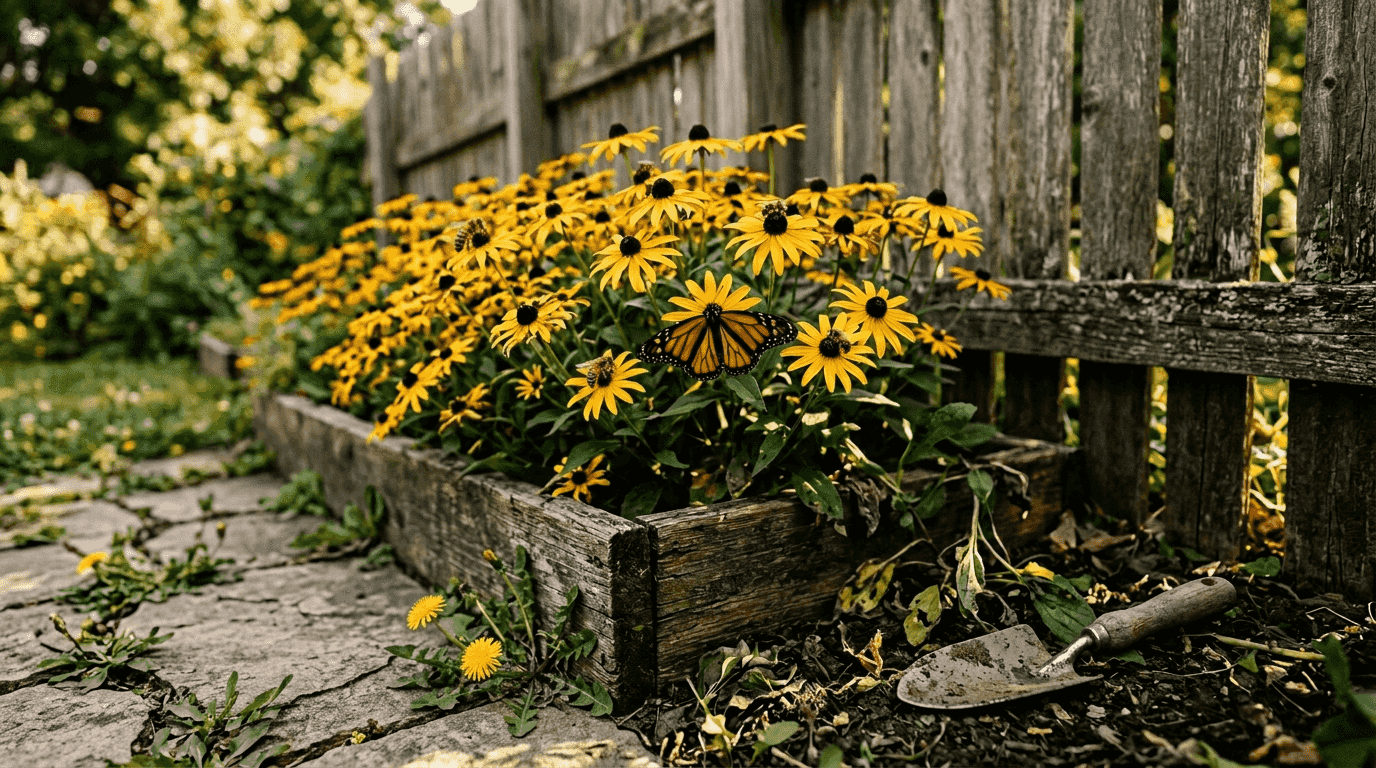
Research confirms that gardens with over 75% native plant cover have a 30% increase in bee species richness compared to gardens dominated by ornamental cultivars. This substantial difference highlights how native plants create habitat complexity that supports diverse pollinator communities. Understanding benefits of native plants helps you appreciate their irreplaceable role.
Additional high-value native options include:
- Wild bergamot (Monarda fistulosa) for mid-summer hummingbird and bee support
- New England aster (Symphyotrichum novae-angliae) for critical late-season nectar
- Goldenrod (Solidago species) providing fall pollen for overwintering bee preparation
- Joe-pye weed (Eutrochium purpureum) attracting butterflies and beneficial wasps
- Milkweed (Asclepias species) serving as monarch butterfly host plants
When designing your garden, incorporate pollinator friendly plants in groupings of three to five of each species to create visible targets that pollinators can locate easily from a distance.
Cultivated and ornamental plants that complement native species
While native plants provide the ecological backbone, select cultivated ornamentals extend bloom periods and fill seasonal gaps that pure native gardens sometimes leave. Cultivated plants with extended flowering periods complement natives by ensuring continuous nectar availability from May through November, supporting pollinators during transition periods when few natives bloom.
Certain Echinacea cultivars like ‘PowWow Wild Berry’ and ‘Cheyenne Spirit’ bloom longer than their wild counterparts, often flowering from May through September with deadheading. These selections maintain the accessible flower structure and nectar production that pollinators need, unlike heavily bred doubles that offer no resources. Research shows natives generally support greater pollinator richness than cultivars, but well-chosen ornamentals still attract substantial pollinator traffic.
Ornamental sages (Salvia species) deliver exceptional value with tubular flowers that hummingbirds and long-tongued bees favor. Varieties like ‘May Night’ and ‘Caradonna’ bloom from late spring through summer, bridging gaps between early spring ephemerals and mid-summer native peaks. Their vertical flower spikes create efficient feeding stations that multiple pollinators can use simultaneously.
Russian sage (Perovskia atriplicifolia), despite being non-native, produces abundant late-summer blooms when many gardens fade. Its airy purple spires attract bees and butterflies from July through September, providing resources during a critical period. The plant’s drought tolerance and low maintenance needs make it practical for gardeners balancing aesthetics with ecology.
Pro Tip: When selecting cultivars, choose those bred primarily for disease resistance or extended bloom rather than dramatic color or form changes, as minimal breeding preserves the pollinator-attracting traits found in wild plants.
Blending natives with thoughtful ornamental selections maximizes garden appeal to diverse pollinators while maintaining visual interest. This approach works especially well in seasonal flower arranging where extended bloom times provide consistent cutting material. Consider how plants that complement lavender might include both native and cultivated options for layered interest.
Effective cultivated additions include:
- Catmint (Nepeta species) for continuous blue-purple blooms May through September
- Sedum ‘Autumn Joy’ providing critical fall nectar for migrating monarchs
- Verbena bonariensis offering airy purple flowers that butterflies prefer
- Agastache cultivars delivering long-blooming spikes for hummingbirds and bees
- Blanket flower (Gaillardia) hybrids blooming prolifically June through frost
Compare and choose the right pollinator plants for your garden needs
Comparing plants side by side reveals how different species contribute to pollinator support throughout the season. Gardens with continuous bloom times support 20% more bee visits than those with limited flowering periods, making strategic plant selection crucial for maximizing ecological impact. The following comparison helps you build a balanced garden that feeds pollinators from spring through fall.
| Plant Name | Bloom Season | Pollinator Types | Maintenance Needs | Native/Cultivated |
|---|---|---|---|---|
| Purple coneflower | June to September | Bees, butterflies, beetles | Low, drought tolerant | Native |
| Bee balm | July to August | Hummingbirds, long-tongued bees | Moderate, needs air circulation | Native |
| Black-eyed Susan | June to October | Butterflies, native bees, wasps | Low, adaptable to most soils | Native |
| New England aster | August to October | Bees, butterflies, beneficial insects | Low, prefers moist soil | Native |
| Catmint cultivars | May to September | Bees, butterflies | Low, very drought tolerant | Cultivated |
| Salvia ‘May Night’ | May to July | Hummingbirds, bees | Low, deadhead for rebloom | Cultivated |
| Russian sage | July to September | Bees, butterflies | Very low, drought tolerant | Cultivated |
| Sedum ‘Autumn Joy’ | August to October | Bees, butterflies | Very low, succulent foliage | Cultivated |
Research demonstrates that native plants attract pollinators about 37% of the time versus 8% for cultivars in direct visitation comparisons, emphasizing the importance of prioritizing natives while using cultivars strategically. This data guides the 75% native, 25% cultivated ratio that many pollinator experts recommend.
When selecting plants, consider your specific garden conditions and pollinator goals:
- Early season gardens need spring ephemerals plus May-blooming cultivars to support emerging queens
- Hot, dry sites benefit from drought-tolerant natives like coneflower paired with Russian sage
- Shady areas require woodland natives like wild geranium and cultivated hostas with pollinator-friendly flowers
- Small spaces maximize impact with compact natives and long-blooming cultivars in containers
- Fall migration support demands late bloomers like asters and sedums for monarch fuel
Combining insights from garden biodiversity planting with practical seasonal flower arranging tips helps you create gardens that serve both pollinators and your aesthetic preferences. The key lies in understanding that ecological function and beauty aren’t mutually exclusive when you choose plants strategically.
Grow a thriving pollinator-friendly garden with Lushy Gardens
Transforming your garden into a pollinator haven becomes straightforward when you have expert guidance and proven strategies. Lushy Gardens provides comprehensive resources that help you apply these plant selection principles effectively, from initial planning through seasonal maintenance. Our detailed guides walk you through every step of creating gardens that genuinely support pollinator populations while enhancing your outdoor space.
Whether you’re starting from scratch or enhancing an existing garden, our gardening basics for beginners covers fundamental techniques that ensure your pollinator plants thrive. Learn proper planting depths, spacing, and soil preparation that gives native and cultivated species the foundation they need. Our seasonal garden maintenance guide keeps your pollinator garden healthy year-round with timely care instructions matched to plant needs.
Designing attractive pollinator gardens requires balancing ecological function with visual appeal, and our simple garden design ideas show you how to arrange plants for maximum impact. Discover layout strategies that create continuous bloom sequences, group plants for pollinator efficiency, and integrate native species seamlessly into traditional garden styles. Let Lushy Gardens be your partner in growing gardens that truly make a difference for pollinators.

Frequently asked questions
What are the best pollinator plants for small spaces?
Compact native plants like wild columbine, creeping phlox, and dwarf asters work perfectly in containers and small gardens while providing excellent pollinator resources. Combine these with long-blooming cultivars like compact catmint or dwarf salvia to ensure continuous flowering in limited space. Even small gardens support diverse pollinators when you include pollinator plants for urban gardens with staggered bloom times. Focus on vertical growing with climbing natives like trumpet vine or native honeysuckle to maximize pollinator habitat without consuming ground space.
How can I protect pollinators while managing pests?
Use targeted organic pest control methods like hand-picking, insecticidal soap on specific problem areas, and beneficial insect releases instead of broad-spectrum chemicals. Apply any necessary treatments during early morning or late evening when pollinators are least active, and avoid broad-spectrum insecticides that harm beneficial insects indiscriminately. Encouraging natural predators like ladybugs and lacewings through diverse plantings often controls pests without any chemical intervention.
Why are native plants better for pollinators than non-native ones?
Native plants co-evolved with local pollinators, creating specialized relationships where flower structure, nectar chemistry, and bloom timing perfectly match pollinator needs. This evolutionary partnership means natives provide optimal nutrition and habitat that non-natives often lack, supporting higher pollinator diversity and abundance. Understanding benefits of native plants reveals how these species form irreplaceable ecosystem foundations that cultivated alternatives cannot fully replicate.
How many different plant species should I include for pollinators?
Aim for at least 10 to 15 different species with overlapping bloom times to support diverse pollinator communities throughout the growing season. Include a mix of flower shapes (tubular, flat, clustered) to accommodate different pollinator types, from long-tongued bees to butterflies with varying feeding preferences. Greater plant diversity creates more resilient pollinator habitat that buffers against seasonal variations and supports specialist pollinators with specific plant requirements.
Do pollinator plants require special soil or care?
Most native pollinator plants adapt to average garden soil and require less maintenance than traditional ornamentals once established. Many natives actually prefer lean soils and minimal fertilization, thriving with basic watering during establishment and occasional deadheading to extend blooms. Matching plants to your existing site conditions (sun exposure, moisture, soil type) ensures success without extensive soil amendments or intensive care routines.
Recommended
- 7 Must-Have Pollinator Friendly Plants for Urban Gardens – Lushy Gardens
- Planting for Pollinators: Boost Your Garden Biodiversity – Lushy Gardens
- Importance of Pollinators: Boosting Garden Health and Yield – Lushy Gardens
- Drought tolerant plants for sustainable gardens in 2026 – Lushy Gardens

I’m Eleanor, a seasoned gardener with over three decades of experience tending to Mother Nature’s creations. Through Lushy Gardens, I aim to share my wealth of knowledge and help fellow plant enthusiasts uncover the wonders of gardening. Let’s dive into this journey together, one leaf at a time.


