
Table of Contents
Most indoor plant problems are not bad luck, and they are definitely not proof that you lack a green thumb. The truth is that yellowing leaves, drooping stems, and mysterious brown tips almost always trace back to a handful of fixable causes. Overwatering, poor light, compacted soil, and tiny pests account for the vast majority of houseplant distress. Once you know what to look for, you can stop guessing and start solving. This guide walks you through the most common indoor plant care tips and troubleshooting steps so your plants can actually thrive.
Key Takeaways
| Point | Details |
|---|---|
| Early detection is essential | Spotting symptoms like leaf color change or spotting early prevents large-scale plant loss. |
| Root health drives growth | Most plant decline starts from root issues like rot caused by improper watering or soil. |
| Prevention beats cure | Routine cleaning and environmental management make it far easier to avoid pests and diseases. |
| Cultural controls work best | Good humidity, light, and airflow prevent problems better than chemicals for most indoor plants. |
Spotting problems early: Plant health warning signs
Having set the stage for problem-solving, we begin by learning how to recognize distress signals before issues spiral out of control. Plants communicate constantly. The challenge is learning their language before a small issue becomes a serious one.
Visual symptoms are your first clue. Yellowing leaves often point to overwatering or low light. Brown, crispy tips usually mean low humidity or inconsistent watering. Leggy, stretched growth tells you the plant is reaching desperately for more light. Sudden leaf drop, especially in large quantities, almost always signals an environmental shift like a cold draft, a move to a darker room, or a change in watering schedule.
Subtle clues matter just as much. A plant that stops flowering when it normally would, leaves that curl inward, or small spots appearing on foliage are all early warnings worth investigating. These signs often appear weeks before the problem becomes severe, which gives you a real window to act.
Seasonal timing trips up a lot of plant owners. Many assume their plant is going dormant in winter, but plant dormancy effects in houseplants are often misread. What looks like dormancy is frequently low light stress, where the plant enters an energy deficit because indoor light drops significantly in winter months. Supplementing with a grow light during this period can prevent a slow, unnecessary decline.
Here are the most common warning signs to watch for:
- Yellowing leaves: Overwatering, underwatering, or low light
- Brown leaf tips: Low humidity, salt buildup from tap water, or inconsistent moisture
- Leggy stems: Insufficient light, causing the plant to stretch
- Leaf drop: Environmental shock, drafts, or sudden temperature changes
- Spots or discoloration: Fungal issues, pests, or sunburn
- Curling leaves: Heat stress, underwatering, or pest activity
- Slow or stopped growth: Rootbound conditions, nutrient depletion, or poor light
Pro Tip: Before changing anything, observe your plant for three to five days. Sudden interventions based on one symptom often create new problems. Pattern recognition beats reactive care every time. Pair your observations with solid indoor gardening tips to build a reliable diagnostic habit.
Root causes: Watering, soil, and potting mistakes
Once you’ve spotted the warning signs, the next step is to examine the most common mistakes that set plant health back, starting at the roots. Watering errors are responsible for more houseplant deaths than any other single factor.
Overwatering does not just mean watering too often. It means the soil stays wet for too long, which suffocates roots and creates the perfect environment for fungal rot. Root rot in indoor plants is one of the most misdiagnosed conditions because the symptoms above the soil, like yellowing and wilting, look identical to underwatering. The difference is underground.
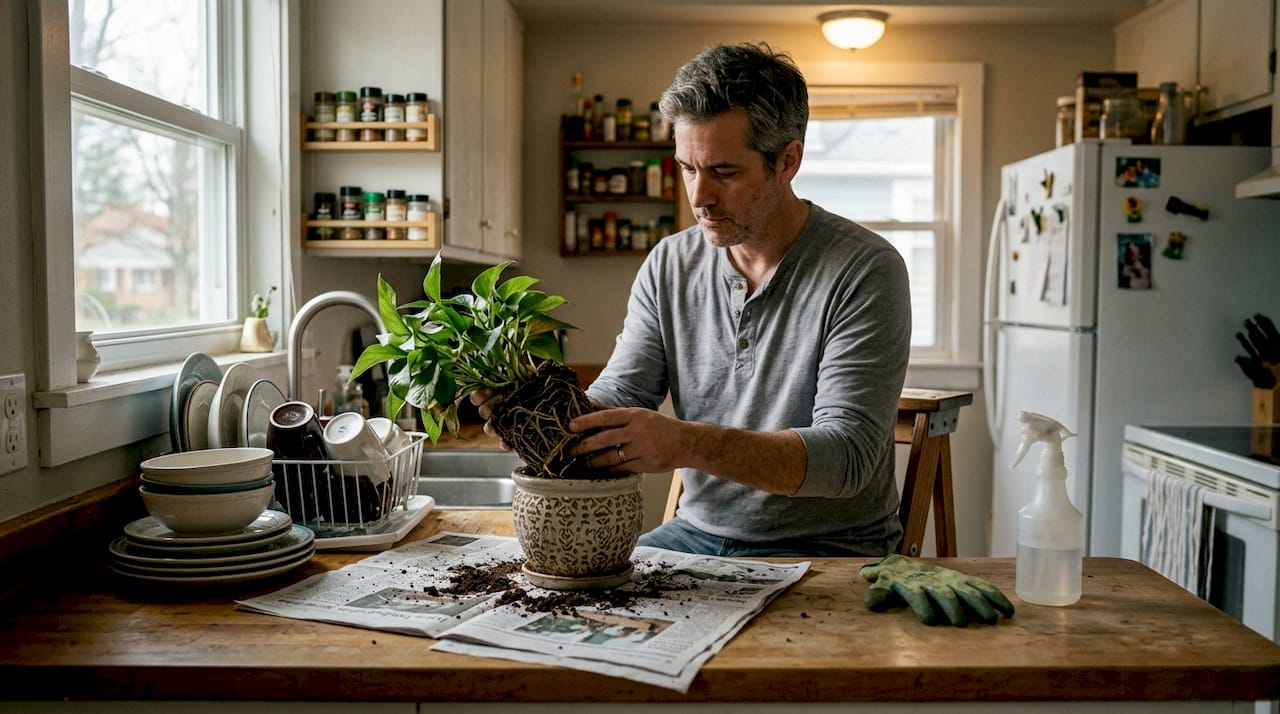
According to the houseplant diseases resource from Clemson University, root rot shows as mushy, brown or black roots with a foul odor. Treatment involves removing all affected roots, repotting in sterile, well-draining soil, and allowing the soil to dry out before watering again.
Here is a quick comparison of soil and pot choices that affect drainage:
| Factor | Poor choice | Better choice |
|---|---|---|
| Pot material | Glazed ceramic, no drainage | Terracotta with drainage holes |
| Soil type | Dense potting mix or garden soil | Peat or coco coir blend with perlite |
| Watering method | Fixed schedule | Check soil moisture first |
| Pot size | Too large for root ball | Snug fit, 1-2 inches wider than roots |
The treatment sequence for root rot follows four clear steps:
- Remove the plant from its pot and inspect the roots carefully.
- Trim all mushy, dark, or foul-smelling roots with clean, sterilized scissors.
- Repot into fresh, sterile, well-draining soil in a clean pot with drainage holes.
- Hold off on watering for several days and place the plant in bright, indirect light to recover.
Pro Tip: The best way to check soil moisture is to push your finger two inches into the soil. If it feels damp, wait. If it feels dry, water thoroughly until it drains from the bottom. Choosing the best indoor plant soil for your specific plant type makes this process far more forgiving. You can also find a broader overview of indoor plant care basics to pair with your soil knowledge.
Managing pests: Identifying, treating, and preventing infestations
With soil and watering optimized, the next troubleshooting challenge is managing unwanted visitors. Pests threaten even the healthiest, best-cared-for plants, and catching them early is everything.
The four most common indoor plant pests each leave distinct calling cards. Spider mites create fine webbing and tiny stippled dots on leaves, and they thrive in dry, low-humidity conditions. Aphids cluster on new growth and leave behind a sticky residue called honeydew. Mealybugs look like small tufts of white cotton, usually hiding in leaf joints. Scale insects appear as small, hard brown bumps along stems and the undersides of leaves.
Here is a side-by-side comparison of these four pests:
| Pest | Visual sign | Favorite conditions | First response |
|---|---|---|---|
| Spider mites | Fine webbing, stippled leaves | Hot, dry, low humidity | Increase humidity, spray with water |
| Aphids | Sticky residue, clustered on new growth | Warm, sheltered spots | Remove by hand, insecticidal soap |
| Mealybugs | White cottony clusters | Warm, humid areas | Rubbing alcohol on a cotton swab |
| Scale insects | Hard brown bumps on stems | Any indoor condition | Scrape off, neem oil treatment |
The houseplant pest management guide from Colorado State University Extension recommends treating infestations in repeated cycles every seven to ten days, since most treatments do not kill eggs. Rotating between insecticidal soap, neem oil, and horticultural oil prevents pests from building resistance to any single product.
“Cultural controls like adjusting humidity, improving airflow, and quarantining new plants consistently outperform chemical-only approaches for long-term pest prevention.”
Here is a practical treatment checklist:
- Isolate the affected plant immediately to prevent spread
- Remove visible pests by hand or with a strong stream of water
- Apply insecticidal soap, neem oil, or horticultural oil to all leaf surfaces
- Repeat treatment every seven to ten days for at least three cycles
- Monitor nearby plants for signs of spread
Pro Tip: Boosting humidity for houseplants with a pebble tray or small humidifier actively discourages spider mite outbreaks. Dry air is their best friend. Improving air quality and indoor plants together creates an environment that is naturally less hospitable to most pests.
Creating a prevention-first indoor care routine
After treating acute problems, the best strategy is building habits that prevent future plant distress from happening at all. Reactive care is exhausting. Prevention is simple once it becomes routine.
The University of Georgia Extension’s guide on indoor plant success makes an important point: extension services consistently emphasize sterile practices and cultural prevention over aggressive chemical use. Many gardening blogs push chemical solutions first, but the evidence favors environment and habit over products.
Here are the core prevention habits that make the biggest difference:
- Quarantine new plants for two to three weeks before placing them near your existing collection
- Clean your tools with rubbing alcohol between plants to avoid transferring pathogens
- Use fresh, sterile potting mix every time you repot rather than reusing old soil
- Check leaves weekly, especially undersides, for early pest activity
- Rotate plants every few weeks so all sides receive even light exposure
- Avoid overcrowding plants, since good airflow reduces fungal and pest pressure
Light, humidity, and airflow form the environmental triangle of prevention. Most fungal problems and pest outbreaks happen when one of these three is out of balance. A plant sitting in a dark corner with stagnant air and inconsistent watering is an open invitation for trouble.
Pro Tip: Set a weekly five-minute plant check into your routine. Walk through your space, lift a few leaves, feel the soil, and look for anything unusual. This single habit catches most problems before they require serious intervention. Pair it with the essential indoor plant care tips that cover light, water, and feeding in one place. Plants that are genuinely thriving also contribute to your own wellbeing, as indoor plants for wellbeing research consistently shows.

Helpful resources for healthy indoor plants
You’ve built a strong troubleshooting toolkit, and now the right resources can make plant care even simpler and more enjoyable. At Lushy Gardens, we’ve put together easy-to-follow guides designed specifically for new and intermediate plant parents who want real answers without the overwhelm. Whether you’re just getting started with gardening basics for beginners or ready to go deeper with indoor plant care basics, there’s a clear next step waiting for you. Our library of indoor plant care tips covers everything from watering schedules to pest prevention, all written with the everyday plant owner in mind. Healthy plants are not a mystery. They just need the right information and a little consistency.
Frequently asked questions
Why do my indoor plant’s leaves turn yellow?
Yellow leaves most often result from overwatering or insufficient light, but mushy dark roots and nutrient deficiencies can also cause the same symptom. Check soil moisture and root health before adjusting light or fertilizer.
What are the most common pests found on indoor plants?
Spider mites, aphids, mealybugs, and scale insects are the four most problematic houseplant pests. Each has a distinct visual sign that makes early identification straightforward with a close look.
How can I tell if my plant has root rot?
Pull the plant from its pot and check the roots. Mushy brown roots with a foul smell confirm root rot, while firm white or tan roots indicate healthy tissue.
Is it better to use chemical sprays or other methods for pests?
Start with non-chemical controls first. Cultural controls like isolation, humidity adjustment, and manual removal are more effective for prevention and carry no risk of plant damage from chemical burn.
How can I prevent future indoor plant problems?
Clean tools, fresh sterile soil, quarantined new plants, and weekly leaf checks eliminate most problems before they start. Sterile practices combined with balanced light, humidity, and airflow form the foundation of a trouble-free indoor garden.
Recommended
- Solve common houseplant problems: tips for healthy plants – Lushy Gardens
- Pruning Indoor Plants Naturally for Healthy Growth – Lushy Gardens
- Plant Problems in 2026: 65% Soil pH Imbalance Hinders Growth – Lushy Gardens
- Essential Indoor Gardening Tips for Urban Dwellers – Lushy Gardens

I’m Eleanor, a seasoned gardener with over three decades of experience tending to Mother Nature’s creations. Through Lushy Gardens, I aim to share my wealth of knowledge and help fellow plant enthusiasts uncover the wonders of gardening. Let’s dive into this journey together, one leaf at a time.


