
Table of Contents
You might believe brown leaf tips always mean your plant needs more water. Surprisingly, fertilizer salt buildup or dry air causes this far more often than drought. Misdiagnosing plant symptoms leads to ineffective treatments and frustrated gardeners. Wilting, yellowing leaves, pest damage, and disease spots are common problems that share overlapping symptoms, making accurate identification essential before you act.
Key Takeaways
| Point | Details |
|---|---|
| Diverse symptom causes | Wilting and yellowing have multiple triggers requiring precise diagnosis before treatment. |
| Widespread pH issues | Over 65% of home plant soils show pH imbalances that block nutrient absorption. |
| Spider mite dominance | Spider mites account for more than 60% of mite infestations in home gardens. |
| Natural treatment efficacy | Neem oil and similar organic options reduce common pests by approximately 50%. |
| Prevention through basics | Proper watering, ventilation, and soil management prevent most diseases and stress conditions. |
Introduction to Common Plant Problems
Home gardeners face recurring challenges with wilting, yellowing leaves, leaf spots, and visible pest damage. These symptoms frustrate even experienced plant enthusiasts because they often point to multiple underlying causes. Misdiagnosis wastes time and money while your plant continues to decline. Understanding the root cause prevents ineffective treatments and improves plant health outcomes.
Plant problems fall into four main categories:
- Environmental stress from improper light, temperature, or humidity
- Pest infestations damaging leaves, stems, and roots
- Diseases caused by fungi, bacteria, or viruses
- Care errors including incorrect watering, fertilization, or soil choice
Recognizing which category your plant’s symptoms fit into helps you target the correct intervention. A wilting plant might need more water, less water, better drainage, or treatment for root rot. Jumping to conclusions based on a single symptom often makes problems worse.
Causes and Mechanisms of Common Plant Problems
Improper watering ranks as the leading cause of home plant failure. Overwatering suffocates roots by displacing soil oxygen, leading to root rot and wilting despite wet soil. Underwatering causes immediate wilting and leaf drop as cells lose turgor pressure. Both extremes create stress that weakens plants and invites secondary problems.
Nutrient imbalances produce distinctive visual cues. Nitrogen deficiency causes older leaves to turn pale yellow while new growth stays green. Iron deficiency creates yellowing between leaf veins, especially in new growth. Soil pH largely determines nutrient availability, with 65% of tested indoor plant soils showing pH outside optimal ranges of 5.5 to 7.0. When pH shifts too high or low, plants cannot absorb nutrients even when fertilizer is present. Understanding why plant leaves turn yellow helps you diagnose nutrient and pH issues accurately.
Pro Tip: Test your soil pH every six months using an inexpensive home kit. Adjust with sulfur to lower pH or lime to raise it, then wait two weeks before retesting.
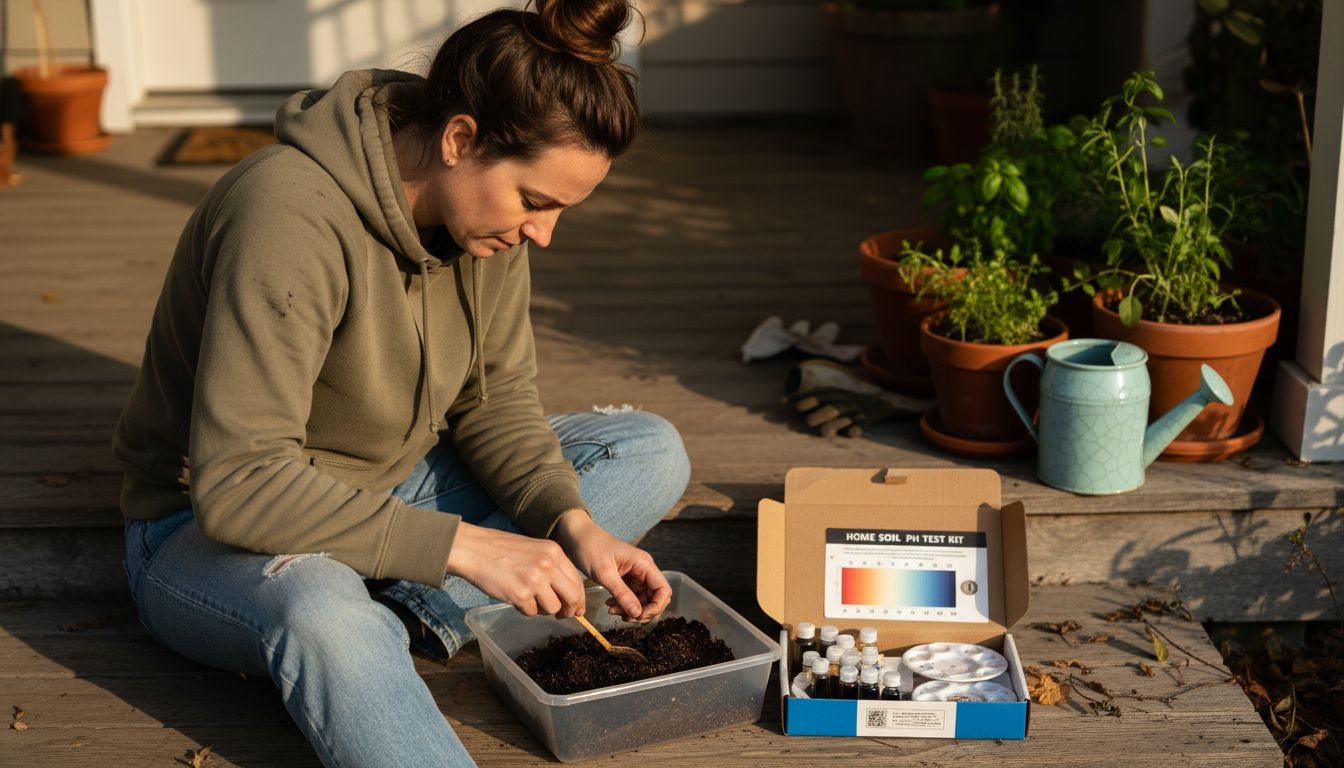
Environmental stresses compound care mistakes. Insufficient light reduces photosynthesis and weakens plants, making them vulnerable to pests and diseases. Low humidity causes leaf tip browning and invites spider mites. Temperature extremes slow growth and trigger leaf drop.
| Environmental Factor | Optimal Range | Common Problem When Off |
|---|---|---|
| Light | Varies by species | Leggy growth, pale leaves, reduced flowering |
| Humidity | 40-60% for most houseplants | Brown leaf tips, spider mite infestations |
| Temperature | 65-75°F daytime | Stunted growth, leaf drop, dormancy |
| Soil pH | 5.5-7.0 for most plants | Nutrient lockout, yellowing, poor growth |
Pests: Identification and Impact
Spider mites cause over 60% of mite infestations in home gardens and houseplants. These tiny arachnids pierce plant cells and suck out contents, leaving stippling and bronzing on leaves. Heavy infestations produce fine webbing on leaf undersides and between stems. Left unchecked, spider mites cause premature leaf drop and can kill plants.
Other common pests include:
- Aphids clustering on new growth, causing distorted leaves and sticky honeydew
- Scale insects appearing as brown bumps on stems and leaves, weakening plants
- Whiteflies congregating on leaf undersides, transmitting plant viruses
- Fungus gnats breeding in moist soil, with larvae damaging roots
Spider mites dominate home plant pest problems, accounting for more than 60% of mite damage to common house and garden plants.
Early detection limits damage significantly. Check leaf undersides weekly for pests, webbing, or sticky residue. Isolate infested plants immediately to prevent spread to healthy specimens. Quick action with organic pest control methods stops minor issues before they become infestations requiring aggressive intervention.
Pests weaken plants directly through feeding damage and indirectly by transmitting diseases. Aphids spread viruses between plants. Scale insects secrete honeydew that promotes sooty mold growth. Understanding pest life cycles helps you time treatments for maximum effectiveness.
Diseases: Identification and Impact
Fungal diseases like powdery mildew coat leaves with white powder, reducing photosynthesis and plant vigor. High humidity and poor air circulation create ideal conditions for fungal spores to germinate and spread. Affected leaves yellow and drop prematurely, weakening the entire plant.
Bacterial infections produce water soaked spots on leaves that expand and turn brown. Bacterial leaf spot and blight move quickly through plants, especially in warm, moist conditions. These pathogens enter through wounds or natural openings, then multiply rapidly in plant tissues.
Root rot develops when waterlogged soil depletes oxygen around roots. Fungal pathogens like Pythium and Phytophthora attack oxygen starved roots, causing them to turn brown and mushy. Affected plants wilt despite wet soil because damaged roots cannot absorb water.
Key disease symptoms to watch for:
- Leaf spots with yellow halos indicating bacterial or fungal infection
- Powdery white or gray coating suggesting fungal diseases
- Stem cankers and dieback from vascular diseases
- Wilting with wet soil pointing to root rot
Managing diseases requires systematic steps:
- Identify the disease type by examining symptoms and conditions
- Isolate affected plants to prevent pathogen spread
- Treat with appropriate fungicides or bactericides if needed
- Monitor daily for improvement or spread
- Prevent recurrence by improving cultural practices
Timely detection allows you to use targeted treatments before diseases spread throughout your garden. Learn more about specific pathogens in our common plant diseases guide.
Common Misconceptions and Clarifications
Many gardeners blame underwatering when leaf tips turn brown. However, over 40% of brown leaf tip cases stem from fertilizer salt buildup, not drought. Excess salts accumulate in soil from repeated fertilization or mineral rich water, drawing moisture from leaf tips and causing browning. Dry air contributes significantly as well, especially in heated homes during winter.
Misting plants seems helpful but often backwaters. Increased fungal infection rates up to 45% occur in poorly ventilated spaces where frequent misting keeps foliage wet. Fungal spores thrive in these conditions, leading to leaf spot and powdery mildew. Humidity trays or room humidifiers work better without wetting leaves.
Yellow leaves have multiple causes beyond nitrogen deficiency:
- Overwatering causing root damage and nutrient transport failure
- Iron or magnesium deficiency from pH imbalances
- Natural aging of lower leaves on healthy plants
- Pest damage disrupting vascular tissues
Chemical pesticides are not your only effective option. Natural treatments like neem oil, insecticidal soap, and horticultural oils control many common pests with lower toxicity and environmental impact. These alternatives work well when applied correctly and repeatedly.
Pro Tip: Before applying any treatment, assess watering practices, light conditions, and soil quality. Environmental fixes often solve problems without products.
Debunking these myths prevents you from wasting effort on wrong solutions. Check out more evidence in our gardening myths debunked article for additional clarity on common misconceptions.
Treatment Options: Natural and Chemical
Neem oil extracted from neem tree seeds disrupts pest life cycles and feeding behavior. Studies show neem oil applications reduce common houseplant pests by approximately 50% when used consistently. Spray all plant surfaces, especially leaf undersides where pests hide, every seven days for three weeks.
Proper watering and soil management prevent most root diseases. Use well draining potting mix and containers with drainage holes. Water when the top inch of soil feels dry, adjusting frequency based on plant needs and environmental conditions. Good drainage prevents waterlogging that leads to root rot.
Fungicides control fungal infections when cultural methods fail. Copper based products work on many leaf spot diseases. Sulfur based fungicides treat powdery mildew effectively. Apply at first sign of infection and repeat according to label directions.
Integrated Pest Management (IPM) combines multiple strategies for sustainable control:
- Cultural practices like proper spacing and sanitation
- Biological controls including beneficial insects
- Physical barriers such as row covers
- Chemical treatments as a last resort
| Treatment Type | Effectiveness | Safety Profile | Best Used For |
|---|---|---|---|
| Neem Oil | Reduces pests ~50% | Low toxicity to humans and pets | Soft bodied insects, mites, some fungi |
| Chemical Pesticides | 70-90% control | Higher toxicity, use caution | Severe infestations, resistant pests |
Application tips for safe, effective treatment:
- Read all product labels completely before mixing or applying
- Test treatments on a few leaves first, waiting 24 hours for reactions
- Apply during cool morning or evening hours to prevent leaf burn
- Wear gloves and eye protection when handling concentrated products
- Store chemicals securely away from children and pets
Explore detailed methods in our organic pest control methods guide for more natural solutions.
Preventive Practices and Best Care Tips
Well draining soil prevents waterlogging and root rot, the most common killer of houseplants. Mix standard potting soil with perlite or coarse sand to improve drainage. Choose containers with multiple drainage holes so excess water escapes freely.
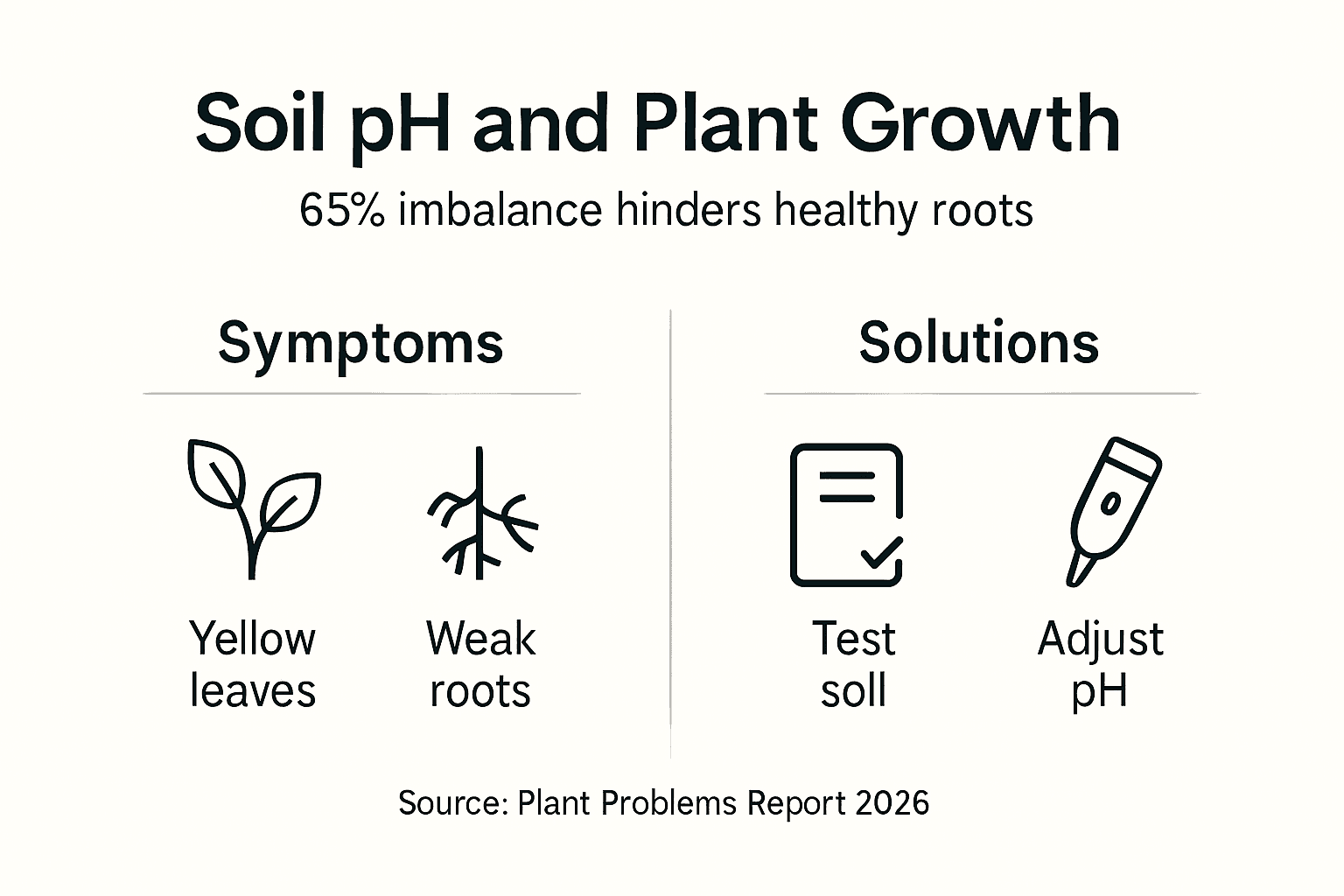
Maintain balanced fertilization by feeding during active growth periods only. Most houseplants need fertilizer every four to six weeks in spring and summer, none in winter. Test soil pH twice yearly and adjust to keep it in the optimal 5.5 to 7.0 range for nutrient availability.
Light and air circulation reduce stress and disease pressure significantly. Place plants where they receive appropriate light for their species. Use fans to improve air movement in still rooms, reducing fungal spore germination and pest populations.
Weekly plant inspections catch problems early:
- Check leaf undersides for pests and eggs
- Look for spots, discoloration, or unusual growth
- Feel soil moisture at root depth
- Remove dead leaves and debris promptly
Pro Tip: Rotate potted plants quarterly and maintain spacing between them. Good air circulation around all plant surfaces dramatically reduces disease and pest pressure.
Seasonal care adjustments keep plants thriving year round. Reduce watering frequency in winter when growth slows. Increase humidity during heating season. Move plants away from cold drafts and heat vents. Review our gardening mistakes to avoid for more prevention strategies.
Proactive care costs less time and money than treating established problems. Build routines around prevention and your plants will reward you with vigorous, healthy growth. Reference our common plant diseases guide for specific preventive measures.
Summary and Actionable Next Steps
Accurate symptom identification forms the foundation of effective plant problem solving. Wilting, yellowing, spots, and pest damage each point to multiple possible causes. Rushing to treat without proper diagnosis wastes resources and may harm your plants further.
Consider environmental factors, care practices, and plant history together. A wilting plant in wet soil needs different intervention than one in bone dry soil. Yellow leaves might indicate pH issues, nutrient deficiency, overwatering, or natural aging. Context matters more than individual symptoms.
Preventive care delivers better outcomes than reactive treatments. Proper watering, appropriate light, good air circulation, and balanced nutrition prevent most common problems. Weekly inspections catch issues while they remain manageable.
Take these immediate steps:
- Test your soil pH this week using a home kit
- Inspect all plants closely for early pest or disease signs
- Adjust watering schedules based on actual soil moisture, not calendar dates
- Improve air circulation around crowded plants
- Review fertilization practices and reduce if leaf tips are browning
Build your foundational knowledge with our gardening basics for beginners to strengthen your diagnostic and care skills.
Explore Expert Gardening Guides and Resources at Lushy Gardens
Lushy Gardens provides comprehensive how to guides covering everything from soil preparation to pest management. Our gardening basics for beginners guide walks you through essential techniques step by step.
Seasonal timing affects plant health dramatically. Our seasonal garden maintenance guide helps you plan care tasks throughout the year for optimal results.
Indoor gardening presents unique challenges. Find specific solutions in our indoor plant care tips covering light management, humidity control, and container selection.
These expert resources support your journey from confused beginner to confident plant parent. Visit Lushy Gardens regularly for fresh insights that keep your garden thriving.
Frequently Asked Questions
What are the first signs of common plant problems?
Wilting leaves, yellowing, brown spots, sticky residues, and distorted growth patterns signal developing issues. Early detection when symptoms first appear allows simpler, more effective interventions before problems become severe.
How can I test soil pH at home effectively?
Affordable pH test kits are available at garden centers and online retailers. Collect soil samples from the root zone, mix with distilled water as directed, and compare the color to the provided chart for accurate results.
Are natural remedies like neem oil safe for indoor plants?
Neem oil is safe for indoor plants when diluted and applied according to label directions. It controls many common pests with significantly lower toxicity to humans and pets compared to synthetic chemical pesticides.
Why do my plant leaves turn yellow despite regular fertilizing?
Yellowing can result from pH imbalances blocking nutrient uptake, overwatering damaging roots, diseases, or incorrect fertilizer type. Test your soil pH and evaluate watering practices before adding more fertilizer, which may worsen the problem.
Recommended
- Soil pH Explained: Complete Guide for Gardeners – Lushy Gardens
- Soil pH for Vegetables: Complete Guide – Lushy Gardens
- Preparing Soil for Planting: Achieve Healthy Growth Easily – Lushy Gardens
- Understanding the Importance of Soil Testing for Gardens – Lushy Gardens
- Healthy Eating Trends 2026: What’s Changing Now
- Plant Based High Protein Meals: 30% More Complete Nutrition – Granavitalis

I’m Eleanor, a seasoned gardener with over three decades of experience tending to Mother Nature’s creations. Through Lushy Gardens, I aim to share my wealth of knowledge and help fellow plant enthusiasts uncover the wonders of gardening. Let’s dive into this journey together, one leaf at a time.


