
Table of Contents
TL;DR:
- Aloe vera’s indoor benefits include modest VOC absorption and topical health uses.
- Its wellness value lies in easy care, aesthetic appeal, and practical gel for minor skin issues.
- Proper placement, watering, and ventilation enhance its role in a healthy indoor environment.
Most indoor plant owners assume that adding greenery automatically cleans the air and boosts wellness. The reality is more layered than that. Aloe vera has earned a permanent spot on windowsills across the country, celebrated for its striking look and legendary gel, but its actual indoor benefits go beyond the surface. Recent research challenges blanket claims about houseplants and air purification, making it worth understanding exactly what aloe vera does and does not do for your home environment. This guide breaks down the science, the real health perks, and the practical steps to get the most from this remarkable succulent.
Key Takeaways
| Point | Details |
|---|---|
| Aloe vera’s key compounds | Aloe vera’s gel contains more than 75 bioactive substances that support skin health and well-being indoors. |
| Air quality impact | Aloe vera may help reduce some indoor pollutants but isn’t a substitute for good ventilation. |
| Easy care advantage | Aloe vera thrives with minimal attention, making it ideal for busy plant owners. |
| Safe use tips | Always test aloe gel on a small skin area and keep the plant away from pets. |
| Whole-home benefits | Positioning aloe carefully and combining it with other plants and airflow brings the best results. |
The science behind aloe vera’s indoor benefits
Before you can appreciate what aloe vera brings to your home, it helps to understand what you’re working with at a biological level. VOCs, or volatile organic compounds, are gases released by common household items like paint, cleaning sprays, and furniture. They build up indoors and can irritate your lungs, eyes, and skin over time. The idea that houseplants absorb these gases sounds appealing, but the science is more complicated.
Aloe vera interacts with indoor air through tiny pores in its leaves called stomata, as well as through microbes living in its root system. These pathways allow the plant to take in certain airborne compounds, but the rate and volume are modest. According to biology research on aloe’s mechanisms, aloe vera’s VOC uptake is mediated by its stomata and root microbes, and its gel contains over 75 bioactive compounds. That’s a genuinely impressive chemical profile for a single plant.
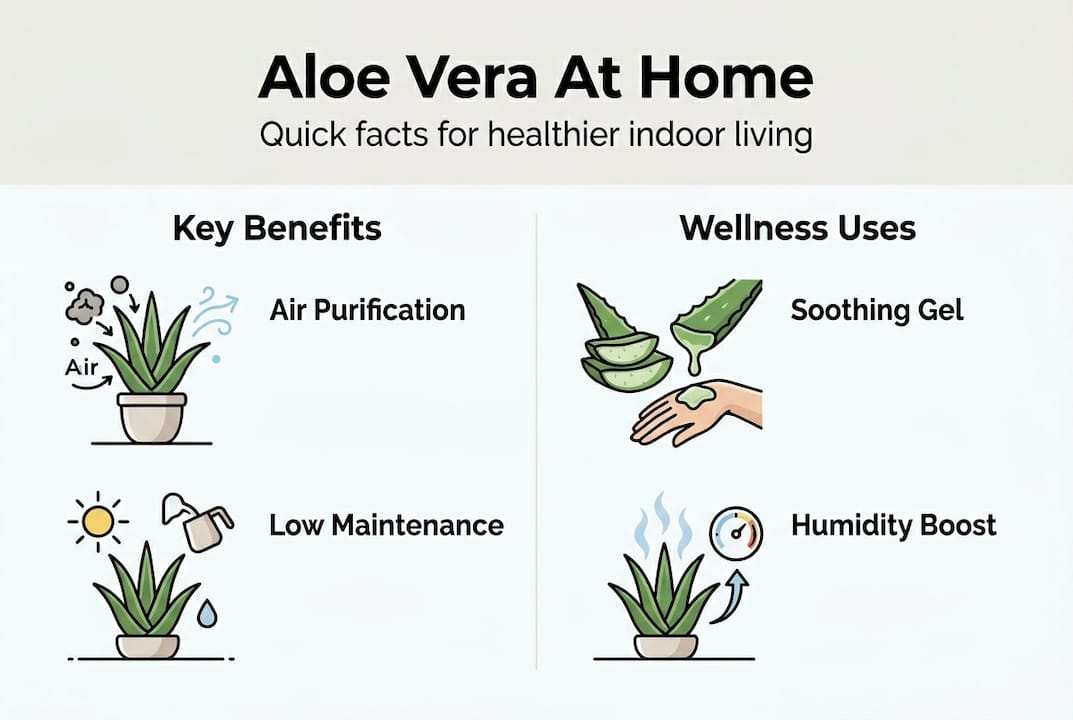
Here’s a quick look at some of aloe vera’s key bioactive compounds and what they do:
| Compound | Primary function |
|---|---|
| Acemannan | Immune support, anti-inflammatory |
| Aloin | Anthraquinone with antimicrobial properties |
| Aloe-emodin | Antioxidant activity |
| Vitamins C and E | Skin and cellular protection |
| Polysaccharides | Moisture retention, wound healing |
Now, here’s where expectations need a reality check. A real-world office study on VOC removal found that VOC levels may actually increase in rooms with indoor plants, challenging the popular assumption that any plant automatically purifies the air. This doesn’t mean aloe vera is harmful. It means the relationship between plants and indoor air chemistry is nuanced.
“The air-purifying power of any houseplant depends heavily on the number of plants, room size, ventilation rate, and the specific VOCs present. A single aloe vera on your desk won’t transform your air quality overnight.”
Placement matters more than most people realize. A plant in a poorly ventilated, sealed room behaves very differently from one near a window with regular airflow. For the full picture on what aloe vera can genuinely do indoors, the aloe vera plant home benefits guide at Lushy Gardens is a great starting point.
Now that you know why aloe vera stands out, let’s see how those scientific features translate into practical health and wellness benefits.
Health and wellness perks aloe vera brings indoors
Aloe vera’s value in your home isn’t limited to air chemistry. Its most immediate and tangible benefits are physical ones you can use any day of the week.

The gel inside aloe vera’s thick leaves is a natural first-aid tool. Minor sunburns, dry skin patches, and small kitchen burns all respond well to a fresh application. That’s because aloe’s gel contains 75+ bioactive compounds that provide natural hydration and potential topical relief. Having a living plant in your kitchen or bathroom means you always have a fresh, preservative-free source on hand.
Beyond the gel, there are broader wellness reasons to keep aloe vera around:
- Mood and aesthetics: Studies on biophilic design (the idea that humans feel better around nature) consistently show that greenery in living spaces reduces stress and improves mood. Aloe vera’s sculptural shape adds visual interest without clutter.
- Low allergen profile: Unlike flowering plants, aloe vera doesn’t release pollen, making it a friendlier choice for allergy-prone households.
- Easy visual feedback: Aloe vera’s leaves tell you a lot about its health. Yellowing signals overwatering, while brown tips often mean too much direct sun. It’s one of the most readable plants for beginners.
- Minimal upkeep stress: Caring for a plant you can actually keep alive has its own quiet mental health benefit. Aloe vera is forgiving, which makes the routine feel rewarding rather than stressful.
Aloe vera is also remarkably popular. It ranks among the most commonly kept houseplants in American homes, and its reputation as a natural remedy has kept it relevant for decades across cultures.
Pro Tip: To harvest aloe gel at home, choose a thick outer leaf, cut it close to the base with a clean knife, let the yellow latex (called aloin) drain for a few minutes, then scoop out the clear gel. Always do a small patch test on your inner wrist before applying it to larger skin areas.
For a deeper look at what this plant can offer, the benefits of aloe vera as a houseplant page covers additional uses. You can also explore plants for wellbeing if you’re building a more intentional indoor garden.
With these health perks in mind, how does aloe vera stack up against other popular indoor plants?
Aloe vera versus other indoor houseplants: What sets it apart?
Not all houseplants are created equal, and knowing where aloe vera excels versus where other plants outperform it helps you build a smarter indoor garden.
| Feature | Aloe vera | Snake plant | Pothos | Peace lily |
|---|---|---|---|---|
| Air purification | Moderate | Strong (formaldehyde) | Moderate | Moderate |
| Watering needs | Very low | Low | Moderate | Moderate |
| Gel/topical use | Yes | No | No | No |
| Pet safe | No | No | No | No |
| Low light tolerance | Low | High | High | High |
| Propagation ease | Easy | Easy | Very easy | Moderate |
Snake plants, for example, are better documented for removing formaldehyde from indoor air. Pothos thrives in low light where aloe vera would struggle. But here’s what makes aloe vera genuinely unique: no other common houseplant doubles as a usable topical remedy. That dual function is hard to match.
It’s also worth noting that some plants may emit or even increase VOCs depending on species and care conditions. Choosing well-researched species matters, and aloe vera’s profile is well understood.
Reasons to prioritize aloe vera in your space:
- Small space friendly: Its compact footprint works well on shelves, windowsills, and countertops.
- Drought tolerant: Ideal for busy households where consistent watering is a challenge.
- Multi-use value: Skincare, first aid, and aesthetics all in one plant.
- Long lifespan: With basic care, a single aloe vera plant can live for decades.
For a broader comparison of plants that improve indoor air, check out air purification plants and the guide on indoor house plants and air quality.
Understanding its advantages, you may be wondering how to get the most from aloe vera in your living space.
Maximizing aloe vera’s benefits in your home
Getting real value from aloe vera comes down to consistent, simple care. Here’s a practical setup to follow:
- Choose the right spot. Place aloe vera near a south or east-facing window where it gets at least six hours of bright, indirect sunlight daily. Avoid spots where cold drafts from air conditioning vents hit the plant directly.
- Use the right soil and pot. Plant it in a fast-draining cactus or succulent mix. Choose a terracotta pot with drainage holes. Terracotta wicks away excess moisture, which aloe vera loves.
- Water correctly. Water deeply but infrequently. Let the soil dry out completely between waterings. In winter, cut back to once a month or less.
- Pair it with ventilation. Aloe’s air benefits work best alongside good ventilation or HEPA filtration, not as a sole solution. Open windows regularly or run an air purifier in the same room for compounding results.
- Repot when needed. When you see roots escaping the drainage holes or the plant tipping over, move it to a pot one size larger. This keeps growth healthy and prevents root-bound stress.
Pro Tip: Pair aloe vera with a spider plant or a peace lily in the same room. These companions have different light and moisture needs but collectively create a more layered approach to indoor air wellness. Spider plants are especially effective at absorbing carbon monoxide.
Common mistakes to avoid:
- Overwatering is the number one killer of aloe vera indoors. When in doubt, wait another week.
- Cold drafts from windows in winter cause leaf damage and slow growth significantly.
- Confined containers without drainage lead to root rot faster than almost any other error.
For step-by-step growing advice, the how to grow aloe vera guide is thorough and beginner-friendly. You’ll also find practical indoor plant care tips and strategies for cutting indoor pollutants worth reading alongside this one.
Now that you’re equipped for success, let’s take a step back for a fresh perspective on what matters most when adding aloe vera to your indoor collection.
A fresh perspective: The real value of aloe vera indoors
Here’s something most plant content won’t tell you directly: aloe vera will not detoxify your home. The idea that a single succulent can neutralize indoor air pollution is a marketing story, not a scientific conclusion. Plants alone can’t substitute for good ventilation, and real-world air quality studies show complex results, not magic bullets.
But here’s what we’ve learned from years of growing and writing about indoor plants: the actual value of aloe vera is quieter and more personal. It’s the ritual of checking on your plant each morning. It’s knowing you have a natural gel ready when your kid touches a hot pan. It’s the way a well-placed succulent makes a windowsill feel intentional rather than empty.
The wellness benefit of indoor plants for wellbeing is real, but it comes from the routine, not from a single dramatic feature. Aloe vera earns its place through ease of care, genuine topical usefulness, and the small, consistent joy of keeping something alive and thriving. Set realistic expectations, combine it with good ventilation, and you’ll find it’s one of the most rewarding plants you can own.

Ready for greener, healthier indoor living?
If this article has you thinking more carefully about your indoor plant choices, Lushy Gardens has everything you need to take the next step. Whether you’re just starting out or refining a collection you’ve built over years, our guides are written by gardeners who actually grow these plants. Start with our guide on indoor air quality tips to understand how your whole plant setup affects your home environment. Then explore the full indoor plants benefits guide for a broader look at what greenery can do for your daily life. When you’re ready to dig into care routines, the indoor plant care guide will keep your plants healthy season after season.
Frequently asked questions
Does aloe vera really purify indoor air?
Aloe vera may absorb some VOCs through its stomata and root microbes, but one real-world study found VOC levels may not decrease with indoor plants alone. Pair it with proper ventilation for meaningful results.
Can you use aloe vera gel directly from the plant indoors?
Yes, you can harvest aloe vera gel from an indoor plant for minor burns or moisturizing, but always do a patch test first. Aloe’s gel contains 75+ bioactive compounds that make it effective for a range of skin applications.
How should I care for an aloe vera plant indoors?
Place your aloe vera in bright, indirect sunlight and water only when the soil is completely dry to the touch. A terracotta pot with drainage holes and a fast-draining succulent mix will keep it thriving.
Is aloe vera safe for pets indoors?
Aloe vera is toxic to cats and dogs if ingested, so keep it on high shelves or in rooms your pets cannot access. Even small amounts of aloin can cause digestive distress in animals.
Does aloe vera help with indoor humidity?
Aloe vera is a succulent and stores water in its leaves rather than releasing it into the air, so it does not meaningfully raise indoor humidity the way tropical leafy plants do.
Recommended
- Aloe Vera Plant Benefits – Why Every Home Needs One – Lushy Gardens
- 7 Surprising Benefits of Aloe Vera as a Houseplant – Lushy Gardens
- 7 Best Air Purification Plants for Healthier Indoor Air – Lushy Gardens
- The Essential Guide to Benefits of Indoor Plants – Lushy Gardens
- Is Your Home Healthy? Take Your Indoor Air Quality Seriously

I’m Eleanor, a seasoned gardener with over three decades of experience tending to Mother Nature’s creations. Through Lushy Gardens, I aim to share my wealth of knowledge and help fellow plant enthusiasts uncover the wonders of gardening. Let’s dive into this journey together, one leaf at a time.


