
Table of Contents
TL;DR:
- Overwatering is the leading cause of indoor plant failure and promotes root rot.
- Regular inspections and proper watering practices prevent pest infestations and disease.
- Prevention-focused routines, like suitable soil and moisture checks, ensure long-term plant health.
Most indoor plant owners don’t realize that the biggest threats to their plants live right in their care routine. Overwatering is the leading cause of indoor plant failure, yet it’s one of the most common mistakes people make with good intentions. Pests, low light, and poor soil choices follow close behind. The frustrating part? Nearly all of these problems are preventable. This guide walks you through how to identify what’s going wrong, why it’s happening, and exactly what to do about it, so you can stop guessing and start growing with confidence.
Table of Contents
- Identifying common indoor plant problems
- How overwatering harms indoor plants
- Dealing with common indoor plant pests
- Preventing and managing indoor plant issues
- A fresh perspective: Why prevention beats cure every time
- More solutions for thriving indoor plants
- Frequently asked questions
Key Takeaways
| Point | Details |
|---|---|
| Spot issues early | Weekly monitoring detects problems before they become severe, saving your plants. |
| Avoid overwatering | Let the top 1-2 inches of soil dry out and use well-draining pots to prevent root rot. |
| Manage pests naturally | Quarantine new plants, boost humidity, and use eco-friendly pest controls to minimize infestations. |
| Prioritize prevention | Cultural practices and IPM are more effective for long-term plant health than chemical quick-fixes. |
Identifying common indoor plant problems
Spotting a problem early is half the battle. Most plants give clear signals before things get serious, but you have to know what you’re looking at. Yellowing leaves, drooping stems, stunted growth, and visible bugs are the most common distress signals. Each symptom points to a different cause, and misreading them leads to the wrong fix.
Overwatering and root rot are the most destructive issues. Root rot kills 50-70% of jade plants grown in waterlogged soil, and overwatering accounts for 41-68% of all houseplant deaths. That’s a staggering number for something so avoidable. Root rot happens underground, so by the time you notice wilting or yellowing, the damage is often already severe.
Low light is another silent killer. Plants that don’t get enough light slow their photosynthesis, which means they can’t produce the energy they need to grow. Leaves turn pale or yellow, stems stretch toward windows, and growth stalls. Many owners mistake this for a watering problem and overcompensate, making things worse.
Pests are the third major culprit. Spider mites infest 70-80% of houseplants kept in dry conditions below 40% relative humidity. They’re tiny, fast-moving, and often invisible until the damage is done. Other common pests include mealybugs, aphids, fungus gnats, and whiteflies. You can learn more about identifying them in this guide to common indoor plant pests.
Here’s a quick reference for the most common symptoms and their likely causes:
| Symptom | Likely cause |
|---|---|
| Yellow leaves | Overwatering, low light, nutrient deficiency |
| Wilting despite wet soil | Root rot |
| Pale, stretched stems | Insufficient light |
| Sticky residue on leaves | Aphids or mealybugs |
| Fine webbing on leaves | Spider mites |
| Tiny flies around soil | Fungus gnats |
The key takeaways for spotting problems early:
- Check leaves top and bottom for pests, spots, or discoloration
- Lift the pot to feel its weight; a heavy pot after watering signals saturation
- Inspect soil moisture before watering, not on a fixed schedule
- Look for new growth as a sign of overall plant health
For a broader breakdown of what your plant needs, the indoor plant care guide at Lushy Gardens is a solid starting point.

How overwatering harms indoor plants
Recognizing symptoms is crucial. Now let’s explore the leading culprit: overwatering and root rot.
Watering feels like the most nurturing thing you can do for a plant. That’s exactly why overwatering is so common. The truth is, plant roots need both water and oxygen to function. When soil stays waterlogged, oxygen gets pushed out of the root zone. Overwatering promotes fungal growth like Pythium and Phytophthora, which attack and rot the root system from the inside out.
Once root rot sets in, the plant can’t absorb water or nutrients properly, even if the soil is soaked. This creates a cruel irony: the plant looks thirsty and droopy, so you water more, and the problem gets worse.
Here’s how overwatering compares to proper watering practice:
| Overwatering | Proper watering |
|---|---|
| Watering on a fixed schedule | Watering when top 1-2 inches of soil are dry |
| Pots without drainage holes | Pots with drainage holes |
| Heavy, dense potting mix | Well-draining soil with perlite or bark |
| Letting pot sit in water | Emptying saucers after 30 minutes |
To avoid overwatering, follow these steps:
- Always check soil moisture before watering by pressing your finger 1-2 inches into the soil
- Use a pot with drainage holes so excess water escapes freely
- Choose the best indoor plant soil for your specific plant type
- Empty the saucer under your pot within 30 minutes of watering
- Reduce watering frequency in winter when plant growth slows
Pro Tip: If you’re unsure whether to water, wait one more day. Most houseplants tolerate slight dryness far better than they tolerate soggy roots.
“The most common mistake isn’t forgetting to water. It’s watering too often out of habit.”
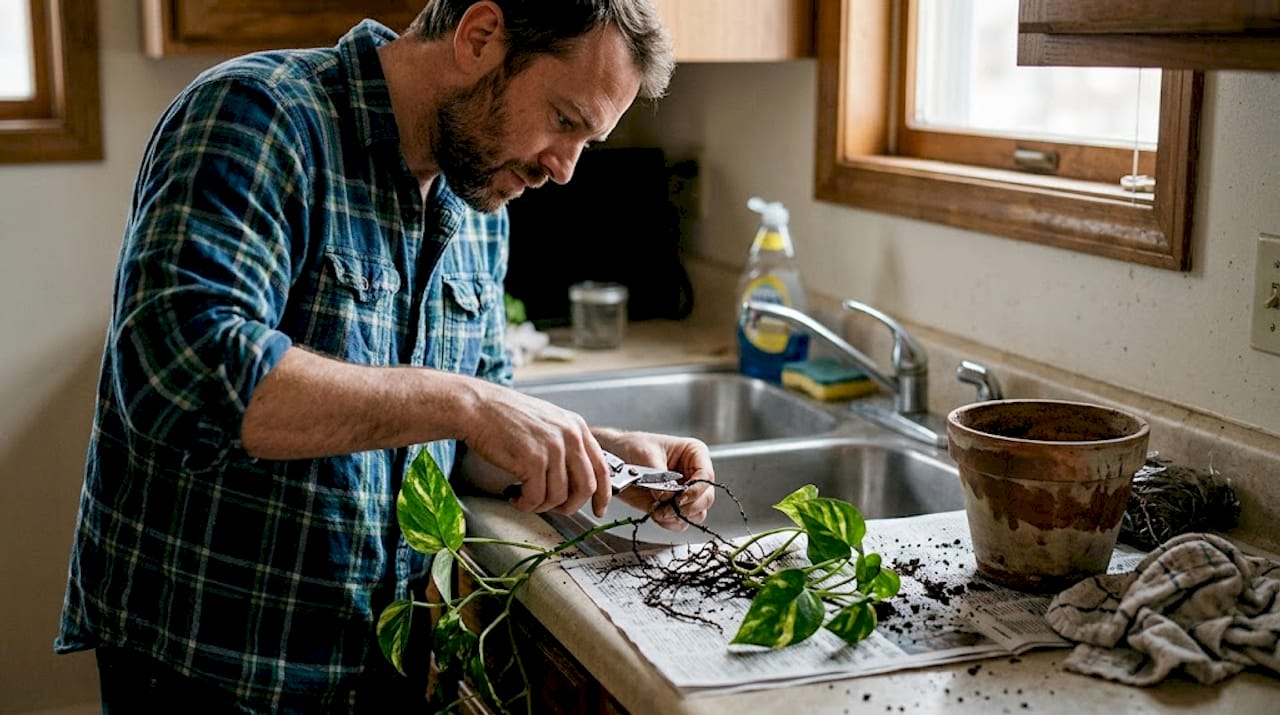
If you catch root rot early, you can save the plant. Remove it from the pot, trim off black or mushy roots with clean scissors, let the roots air dry for a few hours, then repot in fresh dry soil. Check out these tips for thriving indoor plants for more recovery strategies. For succulent owners, the guide on soil for snake plants covers drainage-focused mixes that work beautifully for drought-tolerant species.
Dealing with common indoor plant pests
While watering problems devastate roots, pests create a whole new set of challenges. Here’s how to tackle them effectively.
Pests are opportunists. They show up when plants are stressed, humidity is low, or new plants are brought home without inspection. The five most common houseplant pests are spider mites, mealybugs, aphids, fungus gnats, and whiteflies. Each one damages plants differently, but all of them can spread fast if ignored.
- Spider mites leave tiny yellow speckles on leaves and spin fine webs under foliage
- Mealybugs look like small cotton tufts at leaf joints and stem bases
- Aphids cluster on new growth and secrete sticky honeydew that attracts mold
- Fungus gnats lay eggs in moist soil; their larvae damage roots
- Whiteflies flutter up in clouds when you disturb the plant and weaken leaves by feeding
Humidity below 40% triggers 70% of spider mite cases, and weekly inspections catch 90% of pest problems before they spread. That’s a powerful argument for building a simple inspection habit.
Prevention is your strongest tool. Quarantine new plants for 2-4 weeks before placing them near your existing collection. During that time, inspect them carefully, wipe down leaves, and treat with neem oil or insecticidal soap if needed. Keeping humidity above 50% also makes your home far less hospitable to spider mites.
For treatment, start with the least aggressive option. Wipe mealybugs off with a cotton swab dipped in rubbing alcohol. Spray spider mites with a strong water stream, then follow up with neem oil. Use yellow sticky traps for fungus gnats and let soil dry between waterings to kill larvae. Explore eco-friendly pest control methods that work without harsh chemicals.
Pro Tip: Neem oil works best as a preventive spray applied every 2 weeks. Once a pest population explodes, you’ll need more targeted treatments like organic pest control methods.
Maintaining proper humidity for houseplants is one of the most underrated pest prevention strategies. A small humidifier or a pebble tray with water near your plants can make a real difference.
Preventing and managing indoor plant issues
After you understand specific issues, maintaining plant health calls for proactive strategies. Here’s how to prevent and manage problems for thriving plants.
The best plant care isn’t reactive. It’s a routine. Cultural practices like well-draining pots, proper soil, moisture checks, quarantine, and weekly monitoring form the backbone of integrated pest management, or IPM, for home gardeners. IPM means you use the least harmful interventions first and only escalate when necessary.
Here’s a simple weekly routine that keeps most problems in check:
- Inspect leaves top and bottom for pests, spots, or webbing
- Check soil moisture and water only if the top 1-2 inches are dry
- Wipe dusty leaves with a damp cloth to improve light absorption
- Remove dead or yellowing leaves to reduce disease risk
- Rotate pots a quarter turn so all sides get equal light exposure
Here’s a quick reference table for prevention priorities:
| Practice | Why it matters |
|---|---|
| Well-draining soil and pots | Prevents root rot and fungal disease |
| Weekly inspection | Catches 90% of pest and disease problems early |
| Quarantine new plants | Stops pests from spreading to healthy plants |
| Consistent light placement | Prevents light stress and slow growth |
| Seasonal watering adjustment | Avoids overwatering in low-growth months |
Pro Tip: Keep a simple plant journal. Note when you water, what you observe, and any treatments you apply. Patterns reveal problems before they become crises.
For beginners, the indoor plant care basics guide is a great foundation. If you’re already dealing with a struggling plant, the troubleshooting guide for indoor plants walks you through diagnosis step by step. And for a broader look at building a healthy plant environment, the healthier indoor plant care resource covers everything from light to fertilizing.
A fresh perspective: Why prevention beats cure every time
Having learned the nuts and bolts of plant health, it’s time to consider what really works for lasting success.
Most plant care content focuses on fixing problems after they appear. That’s understandable because struggling plants are urgent. But here’s the honest truth: if you’re constantly treating root rot, battling spider mites, or rescuing wilting plants, your care routine has a gap, and no amount of neem oil will close it.
The plants that thrive long-term belong to owners who make prevention automatic. They use the right soil from the start. They check moisture before watering. They inspect new plants before bringing them home. These habits take about five minutes a week and prevent hours of damage control.
Some sources push chemical fungicides and pesticides as the go-to solution. Biological controls are more sustainable and, in most home settings, just as effective when paired with good cultural practices. Chemicals have their place, but they should be a last resort, not a first response.
Choosing the best indoor plant soil for each plant type is one of the highest-impact decisions you can make. It costs nothing extra and prevents the two biggest killers: root rot and pest-friendly wet soil. Prevention isn’t boring. It’s the most powerful tool you have.
More solutions for thriving indoor plants
Ready for even more practical help? Lushy Gardens has you covered with step-by-step guides built specifically for indoor plant owners who want real results, not generic advice.
If you’re dealing with a plant that’s already struggling, start with the fix indoor plant problems troubleshooting guide for a clear, symptom-by-symptom breakdown. Want to build a stronger care routine from the ground up? The indoor plant care guide covers everything from watering schedules to light requirements and soil selection. Whether you’re a first-time plant parent or someone with a full indoor garden, Lushy Gardens has the resources to help your plants not just survive, but genuinely thrive.
Frequently asked questions
Why do my indoor plants keep getting yellow leaves?
Yellow leaves are most often caused by overwatering or low light; check soil moisture first and confirm your plant is getting enough indirect sunlight before adjusting your watering routine.
How can I stop pests like spider mites and mealybugs on my houseplants?
Quarantine new plants for 2-4 weeks, keep humidity above 50%, and treat affected plants with neem oil or insecticidal soap; catching infestations early with weekly checks makes treatment much easier.
What is the best way to water indoor plants without causing root rot?
Water only when the top 1-2 inches of soil are dry, use pots with drainage holes, and never let your plant sit in standing water; well-draining soil is just as important as your watering frequency.
How often should I check my plants for problems?
Inspect your plants once a week; weekly inspections catch 90% of pest and disease problems early enough to treat them before serious damage occurs.
Recommended
- Fix indoor plant problems: troubleshooting guide 2026 – Lushy Gardens
- Solve common houseplant problems: tips for healthy plants – Lushy Gardens
- Get thriving indoor plants: expert tips for home gardeners – Lushy Gardens
- Indoor plant care guide: healthier, happier plants at home – Lushy Gardens
- Chemical Free Invasive Plant Solutions for Homeowners

I’m Eleanor, a seasoned gardener with over three decades of experience tending to Mother Nature’s creations. Through Lushy Gardens, I aim to share my wealth of knowledge and help fellow plant enthusiasts uncover the wonders of gardening. Let’s dive into this journey together, one leaf at a time.


