
Table of Contents
TL;DR:
- Garden zoning helps create functional outdoor “rooms” that improve the garden’s usability, aesthetics, and plant health. It involves dividing the space based on sunlight, activity, and proximity, making maintenance more efficient and the design more cohesive. Proper zoning is essential for small gardens, ensuring they feel intentional, balanced, and easier to care for.
Most gardeners spend hours choosing the perfect plants, only to end up with a space that feels random, crowded, or hard to maintain. The real culprit usually isn’t plant selection—it’s the lack of a clear structure underneath it all. Garden zoning improves usability by dividing your outdoor space into functional “rooms,” each with a clear purpose. Once you understand this approach, even a small backyard can feel intentional, beautiful, and surprisingly easy to care for.
Table of Contents
- What is garden zoning and why does it matter?
- The practical benefits of garden zoning
- Key principles for successful garden zones
- Applying garden zoning: Real-world examples and starter ideas
- A gardener’s take: Why zoning is overlooked—and how you can truly benefit
- Ready to transform your garden with smart zoning?
- Frequently asked questions
Key Takeaways
| Point | Details |
|---|---|
| Zoning boosts garden usability | Dividing your garden into defined zones makes it easier and more enjoyable to use. |
| Small spaces benefit greatly | Strategic zoning can make even small gardens feel larger and less cluttered. |
| Microclimates support plant health | Grouping plants by their needs through zoning encourages healthier growth. |
| Consider sun and barriers | Understand how boundaries like hedges or walls affect light and plan your zones accordingly. |
What is garden zoning and why does it matter?
Garden zoning is the practice of dividing your outdoor space into distinct areas, each assigned a specific function or plant type. Think of it the way you’d think about the rooms inside your home. Your kitchen serves a different purpose than your living room, and the same logic applies outside. You might have a dining patio near the back door, a dedicated vegetable bed along the sunniest fence, and a quiet reading corner tucked into a sheltered spot. Each area has an identity, and that identity shapes every decision you make about it.
This matters more than most gardeners realize. Without zoning, plants end up scattered, maintenance becomes inconsistent, and the whole space feels like a series of unrelated choices. Garden zoning creates clear rooms for activities and plantings, which makes the entire garden easier to use, maintain, and enjoy.
The good news is that zoning doesn’t require a huge space or a professional designer. You can optimize space and plant health in a modest urban plot just as effectively as in a sprawling suburban yard. The principles scale beautifully.
Here’s what zoning can create for you:
- An entertainment zone close to the house, with paved surfaces, comfortable seating, and low-maintenance plants along the edges
- A vegetable or kitchen garden zone positioned in your sunniest spot, ideally near the kitchen door for easy harvesting
- A relaxation or sensory nook with fragrant plants, shade, and perhaps a bench or hammock
- A wildlife or naturalized zone at the far end of the garden, where things can grow a little wilder without clashing with tidier areas
- A play area for kids or pets, with soft ground cover and clear boundaries from more delicate plantings
“Zoning a garden is about working with the way you actually want to live outdoors—not just how the space looks in a photo.”
Understanding garden design principles helps you make these zones cohesive rather than choppy. The goal isn’t rigid separation—it’s purposeful flow.
The practical benefits of garden zoning
Now that we understand what garden zoning is, let’s explore what you actually gain from implementing it in your home garden.
The benefits go well beyond aesthetics, though the visual improvement alone is worth the effort. When each section of your garden has a defined role, everything about gardening gets easier and more rewarding.
Organization and reduced maintenance are the most immediate wins. When your herbs are all in one zone near the kitchen, you water and harvest them together. When your shade-loving ferns are grouped under the pergola, they get the same care routine. You stop wasting time hunting for tools, second-guessing plant placement, or battling weeds that crept into the wrong bed.
Aesthetics improve dramatically because zoning creates visual variety and flow. A garden with distinct areas invites exploration. You move from an open sunny patio into a lush green corner, then past a colorful cutting garden. That transition keeps the eye moving and makes the space feel layered and interesting rather than flat.
Plant health is one of the most underrated benefits. When you group plants by their light, water, and soil needs, you stop applying one-size-fits-all care. Your drought-tolerant Mediterranean herbs don’t get overwatered just because they’re next to your thirsty tomatoes. Your tips for small garden spaces show how even a few square meters can support genuinely healthy, thriving plants when zoned thoughtfully.
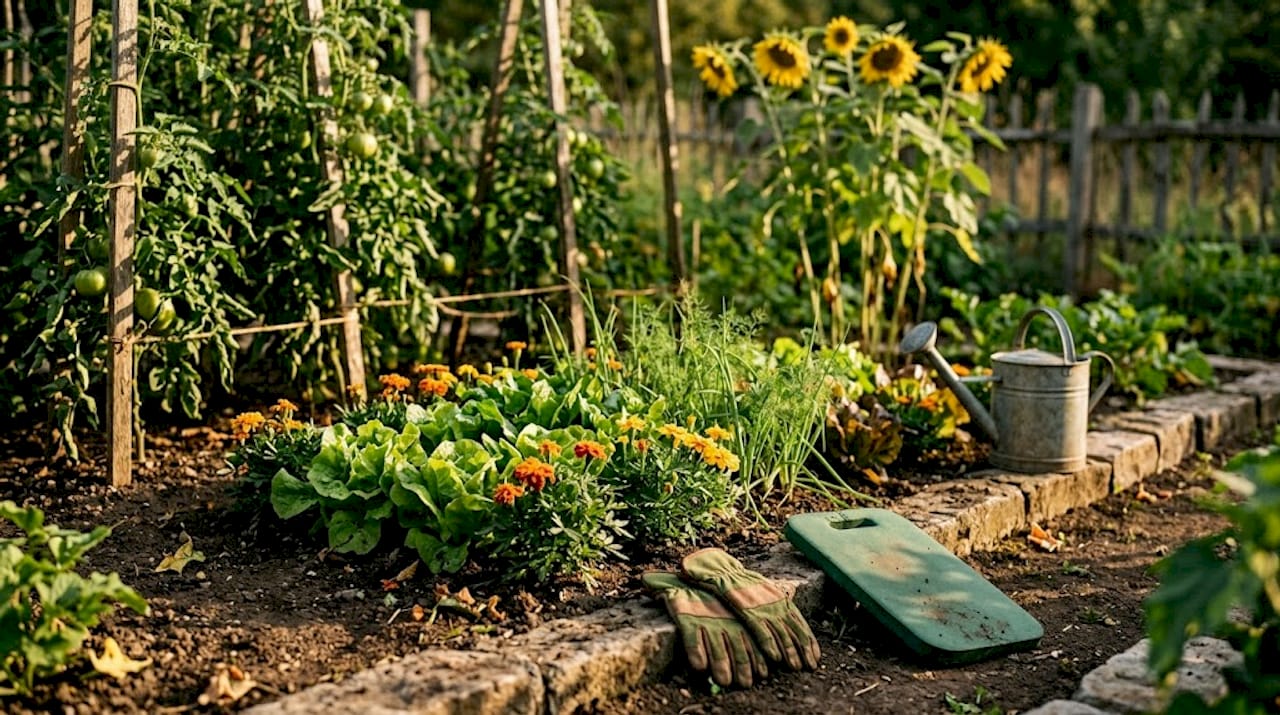
One particularly exciting concept for smaller plots is bento zoning. Borrowed from the logic of the Japanese bento box, bento zoning makes small gardens more intentional and structured by creating multiple mini-zones within a compact footprint. Each tiny section has its own purpose and visual character, making the overall space feel much larger and more interesting than it actually is.
| Benefit | What it solves | Example |
|---|---|---|
| Organization | Clutter, inconsistent care | Herb zone near kitchen door |
| Aesthetics | Flat, random-looking spaces | Layered planting with varied zones |
| Plant health | Mismatched care routines | Grouping by light and water needs |
| Perceived space | Small gardens feeling cramped | Bento zoning with clear boundaries |
| Maintenance ease | Time wasted on scattered tasks | Same zone, same weekly care routine |
To avoid garden planning mistakes from the start, map your benefits before you dig a single hole.
Pro Tip: In small gardens, use lightweight trellises, raised planters, or low hedges to physically define zones without eating into precious growing space. Even a simple change in ground material, like gravel versus grass, signals a zone shift effectively.
Key principles for successful garden zones
Understanding the benefits, let’s get practical: here are the principles to ensure your zones truly work—for both people and plants.
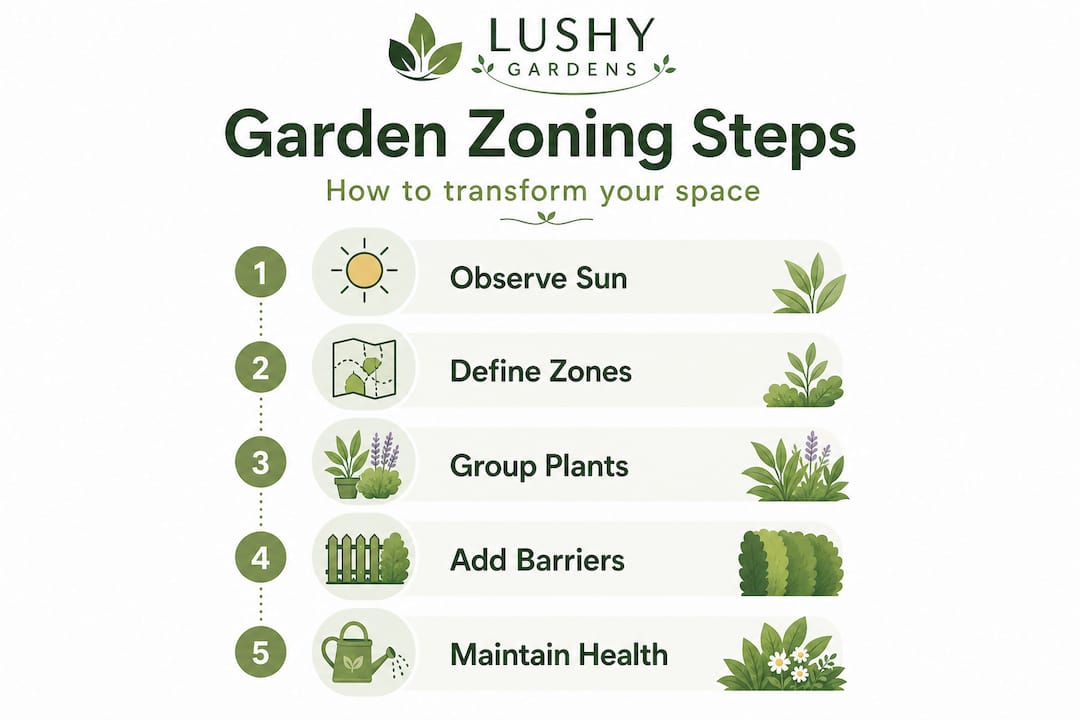
The single biggest mistake gardeners make when zoning is skipping the sun assessment. Before you assign any zone a function, you need to watch how sunlight moves across your garden throughout the day and across the seasons. A corner that looks bright in July may be completely shaded in October once a neighboring tree fills out.
Zoning must consider sun and shade created by dividers like hedges, walls, and fences. This is critical because the very boundaries you install to define zones will also alter the light available in adjacent areas. A tall privacy hedge on the south side of your vegetable zone could cut sun exposure by 30 to 50 percent depending on its height and the season.
Follow these steps to build zones that actually work:
- Survey your whole garden at three different times of day (morning, midday, and late afternoon) to map where sun falls and for how long.
- Note any existing structures like fences, sheds, or large shrubs that already create shade or shelter.
- Define your priority zones first. If you want a vegetable bed, it goes in your sunniest spot. If you want a reading nook, it goes somewhere with afternoon shade and shelter from wind.
- Draw rough zone boundaries on paper before you do anything physical. Keep the shapes flexible.
- Choose boundary types wisely. A tall hedge blocks wind but also light. A low trellis defines a space without significantly affecting sunlight.
- Consider how zones connect. You should be able to move naturally from one zone to another without awkward dead ends or cramped passages.
| Poor zoning choice | Better approach | Why it matters |
|---|---|---|
| Dining patio in full shade | Dining area in part sun or morning sun | Comfort and plant growth nearby |
| Veggie bed under a tree | Veggie bed in open, south-facing spot | Adequate light for food production |
| Tall hedge blocking views | Low border or open trellis | Maintains sightlines and usability |
| Play area next to fragile plants | Play zone with tough, hardy plants | Reduces accidental damage |
For designing functional garden areas that you’ll actually use every day, prioritizing sun placement early saves you from costly rearrangements later.
A great resource for designing for beauty and function covers how to balance visual appeal with real-world usability in your zone layout.
When choosing shade-tolerant plants for zones with limited sun, a solid shade-friendly plants guide is invaluable. And for deeper selection advice, exploring best plants for shade zones helps you fill those spots confidently.
Pro Tip: Use moveable screens or lightweight modular trellis panels to test a zone boundary before making it permanent. Live with the layout for a few weeks. You’ll quickly discover if a zone feels cramped, gets the wrong light, or doesn’t match how you naturally move through the garden.
Applying garden zoning: Real-world examples and starter ideas
With principles in place, let’s see how these look in real gardens and offer some zoning ideas for every size and style.
The most successful garden zones are always built around how people actually live, not how a magazine layout looks. Zoning is driven by placement, sunlight, proximity, and usage needs, which means your neighbor’s perfect garden plan might be completely wrong for your lifestyle.
Consider a typical suburban backyard with a rectangular layout. Here’s how thoughtful zoning transforms it:
The kitchen garden zone sits closest to the back door, in the sunniest strip of the garden. Raised beds keep it tidy and defined. Herbs grow in a small dedicated planter right outside the door, so you’re grabbing rosemary while cooking without walking across the whole yard. The visual effect is organized and purposeful.
The dining and entertaining zone takes up the middle section, with paving or decking underfoot and a mix of potted plants around the edges for color. It’s close enough to the house to feel connected but separate enough to feel like a destination.
The relaxation nook occupies a sheltered back corner. A simple wooden bench, a couple of tall ornamental grasses for privacy, and some fragrant lavender or jasmine nearby create an atmosphere that feels genuinely restorative.
For smaller plots, zoning for small space gardening demonstrates that even a 10 by 12 foot urban patio can be zoned effectively into cooking, sitting, and planting areas using vertical space and smart container choices.
Here are some practical starter zone ideas you can apply right now:
- Kitchen herb zone: A raised bed or large container cluster right outside your back door with basil, thyme, parsley, chives, and mint (keep mint contained in its own pot)
- Cutting flower zone: A dedicated bed in a sunny spot just for flowers you’ll bring indoors, keeping it tidy and separate from permanent plantings
- Children’s play corner: A defined area with resilient ground cover like clover or low-mow grass, simple stepping stones, and robust, non-toxic plants around the edges
- Quiet reading nook: A corner with a comfortable seat, shade from a climbing plant on a trellis, and a simple gravel floor for easy upkeep
- Wildlife zone: A back strip left a little wild, with native wildflowers, a log pile, and a shallow dish of water to attract pollinators and beneficial insects
For more simple garden design inspiration, you’ll find layouts that work for real homes, not just show gardens. If you’re focused on food growing, detailed vegetable garden layout ideas will help you get the most out of your kitchen zone.
A gardener’s take: Why zoning is overlooked—and how you can truly benefit
Here’s something most gardening guides won’t tell you: the reason so many home gardens feel exhausting to maintain isn’t a pest problem or a soil problem. It’s a structure problem. Gardeners fall in love with plants before they fall in love with their garden’s bones, and the result is a beautiful mess that slowly drains their enthusiasm.
We’ve seen this play out repeatedly. Someone fills a raised bed with gorgeous tomatoes, tucks lavender next to a shady fence because it looks nice, and plants a magnolia without thinking about the shade it’ll cast in three years. Each individual choice seems fine. The cumulative result is chaos.
Zoning asks you to think like a designer before you think like a plant collector. That’s a genuine mindset shift, and it’s one most gardeners resist because it feels restrictive. It isn’t. A clear structure actually gives you more freedom to experiment within each zone, because you’ve already solved the big-picture organization problem.
One lesson that took years to fully appreciate: sun patterns are not optional to map. You can do everything else right and still end up with a struggling vegetable zone because you didn’t notice that the shed casts a shadow across it every afternoon from August onward. Getting light assessment right early isn’t perfectionism. It’s just the foundation.
The other thing most guides miss is that zoning should reflect your actual life, not your aspirational gardening life. If you rarely sit outside in the morning, a sunrise seating zone is wasted space. If you host dinners twice a week, that patio needs to be generous, accessible, and well-lit. Avoiding planning mistakes starts with being honest about how you really use your outdoor space.
Don’t copy a layout from a magazine or a neighbor’s yard without adapting it. Your zones should solve your problems, support your plants, and match your rhythm. That’s when zoning stops being a design exercise and starts being genuinely transformative.
Ready to transform your garden with smart zoning?
If this article has made you rethink how your outdoor space is structured, that’s exactly the right first step. At Lushy Gardens, we’ve put together practical resources that make it easy to move from inspiration to action. Whether you’re just getting started or ready to refine what you already have, our beginner garden basics gives you a solid foundation for thinking about your garden as a whole system. If you’re ready to explore layouts and styles, our garden design ideas page is packed with approachable, real-world inspiration. Your garden doesn’t need to be large or complicated to become something you genuinely love spending time in.
Frequently asked questions
Does garden zoning really make a small garden feel bigger?
Yes, compact zoning like the bento approach can make any small garden feel more intentional and less cluttered without increasing its actual size.
Is garden zoning only for large gardens?
Not at all; zoning applies to gardens of all sizes, including tiny yards and urban spaces, improving both function and aesthetics regardless of square footage.
What factors should I consider when creating garden zones?
Sunlight, shade patterns, proximity to the house, and intended activity are all critical; zoning driven by proximity and sun placement consistently produces the best results.
Can garden zoning impact plant health directly?
Yes, purposeful zoning lets you group plants by light and soil needs; functional grouping and microclimates directly support healthier, more robust plant growth over time.
How do physical barriers like walls or hedges affect garden zones?
Barriers like hedges can shift shade into adjacent zones, so always map sun and shade patterns both before and after installing any permanent dividers.
Recommended
- Gardening Ideas to Transform Your Home and Indoor Spaces – Lushy Gardens
- Interplanting: Boost Garden Health and Yields Today – Lushy Gardens
- Hardiness Zones Explained: Grow the Right Plants – Lushy Gardens
- Essential Tips for Small Garden to Maximize Your Space – Lushy Gardens

I’m Eleanor, a seasoned gardener with over three decades of experience tending to Mother Nature’s creations. Through Lushy Gardens, I aim to share my wealth of knowledge and help fellow plant enthusiasts uncover the wonders of gardening. Let’s dive into this journey together, one leaf at a time.


