
Table of Contents
TL;DR:
- Success in gardening depends on using proper strategies like raised beds and soil management.
- Vertical gardens and small space solutions maximize production with less ground area.
- Observation and creativity are more important than expensive tools for cultivating thriving gardens.
Nobody is born with a green thumb. That idea has kept more people from growing beautiful gardens than any pest or poor soil ever could. The truth is, gardening success comes from using the right strategies in the right order, and that’s something anyone can learn. Whether you’re working with a cramped balcony, a dim apartment, or a backyard with rocky ground, the ideas in this guide will help you grow more with less frustration. We’ll cover raised beds, vertical gardens, indoor plant care, and sustainable soil methods that actually work.
Table of Contents
- Maximize productivity with raised beds and smart soil strategies
- Creative ideas for small spaces and vertical gardens
- Indoor plant care: tricks for light, watering, and lush results
- Sustainable gardening: no-dig methods and composting for healthier soil
- Why creative structure, not expensive tools, is the real gardening superpower
- Ready to grow? Get inspired and master your garden
- Frequently asked questions
Key Takeaways
| Point | Details |
|---|---|
| Raised beds boost yields | Raised beds with the right soil mix solve poor soil and maximize productivity, even in small gardens. |
| Small spaces thrive | Vertical gardens and compact plant varieties make it easy to garden effectively anywhere, indoors or out. |
| Light and water matter | Matching plants to their light needs and avoiding overwatering is the secret to lush indoor plants. |
| Eco-friendly gardening wins | No-dig methods and composting create healthier, more resilient gardens with less work. |
| Creative thinking is key | Adapting expert ideas and personal experiments will outpace expensive tools and trends every time. |
Maximize productivity with raised beds and smart soil strategies
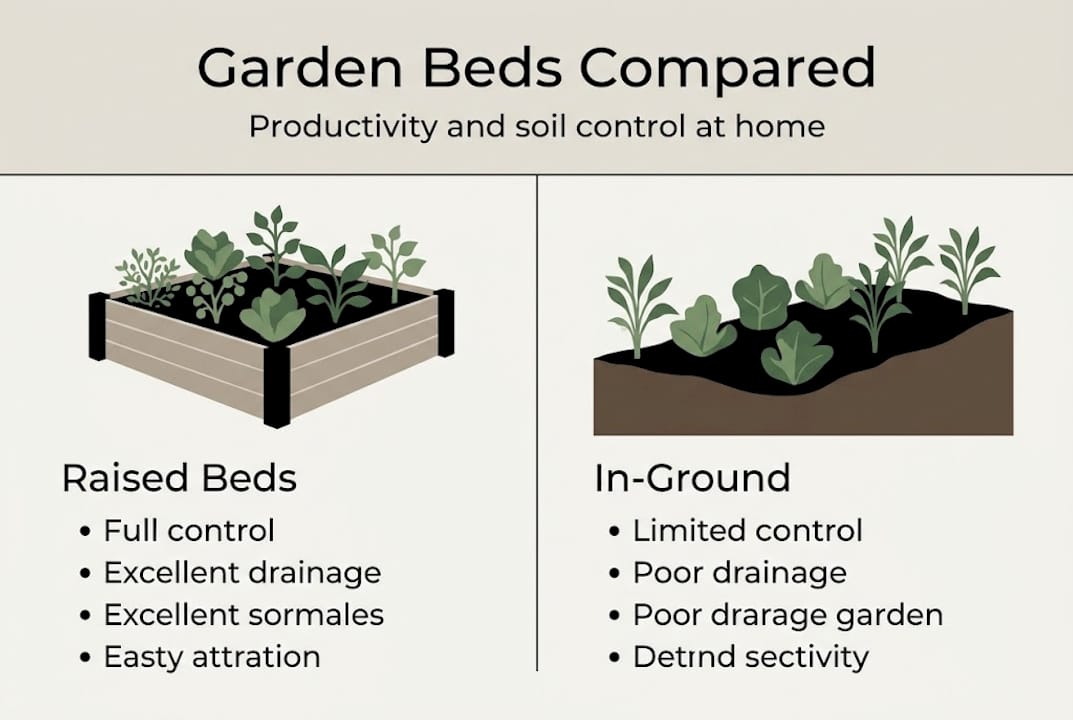
While creative ideas often start with inspiration, real success in gardening comes down to the basics: how you build and nurture your space. Raised beds are one of the most reliable upgrades any home gardener can make. They give you full control over your soil, improve drainage dramatically, and make it easier to reach your plants without straining your back.
Raised beds are ideal for home gardeners dealing with poor soil, limited space, or mobility issues, offering better drainage, soil control, and earlier warming in spring. A standard 4×4 or 4×8 ft bed warms up 2 to 3 weeks earlier than in-ground soil, which means a longer growing season and more harvests per year.
The soil mix matters just as much as the bed itself. A proven formula is 40% topsoil, 40% compost, and 20% aeration material like perlite or coconut coir. This blend holds moisture without getting waterlogged and feeds roots consistently.
Raised beds vs. in-ground gardening: a quick comparison
| Feature | Raised beds | In-ground beds |
|---|---|---|
| Soil control | Full control | Limited |
| Drainage | Excellent | Varies |
| Upfront cost | Higher | Lower |
| Accessibility | Easy | Harder |
| Season length | Longer | Standard |
For those watching their budget, raised beds vs. in-ground comparisons show raised beds cost more upfront but deliver better control and drainage. The no-dig method, which layers organic matter on top of existing soil without turning it, actually outperforms both over multiple seasons for yield and soil health.
Top benefits of raised beds at a glance:
- Weed pressure is significantly reduced
- Soil compaction is nearly eliminated
- You can customize soil for specific crops
- Beds are easier to cover with row fabric or netting
- Great entry point for square foot gardening methods
Pro Tip: Before you build, track sunlight across your chosen spot for a full day. Most vegetables need 6 to 8 hours of direct sun. Also, source compost locally from municipal programs to cut costs and improve raised bed tips results fast.
“The single biggest mistake new raised bed gardeners make is skimping on compost. Rich organic matter is the engine of the whole system.”
If you want to stretch your soil budget further, composting at home is one of the smartest habits you can build. Even a small compost bin can supply a 4×4 bed with a meaningful top-dress each season. And if space is tight, check out small garden tips to make every square foot count.
Creative ideas for small spaces and vertical gardens
Once you’ve established great soil and structure, maximizing space becomes your next creative challenge. Vertical gardening is one of the most effective ways to multiply your growing area without needing more ground space. Instead of spreading out, you grow up.
Wall planters, trellises, tiered shelf gardens, and even repurposed shoe organizers can all become productive growing spaces. The key is choosing the right plants for vertical setups: herbs, leafy greens, strawberries, and dwarf tomato varieties all thrive in compact arrangements.
Best plants for small and vertical spaces:
- Basil, mint, and chives (herbs that love containers)
- Lettuce and spinach (fast-growing, shallow roots)
- Dwarf cherry tomatoes (productive in 5-gallon containers)
- Nasturtiums (edible flowers that trail beautifully)
- Pole beans (grow up, not out)
Raised beds are ideal even in small spaces, and the same logic applies to vertical setups: control your growing medium and you control your results.
Vertical vs. container vs. in-ground: space efficiency comparison
| Method | Space needed | Yield potential | Maintenance level |
|---|---|---|---|
| Vertical garden | Very low | High | Medium |
| Container garden | Low | Medium | High |
| In-ground bed | High | High | Low |
For small garden ideas, the biggest win is pairing high-yield plants with compact varieties. One trellis with pole beans and a hanging planter with herbs can feed a household of two through summer.
Airflow is something most people overlook in dense vertical setups. Pack plants too tightly and you invite fungal problems. Space them just enough so leaves don’t constantly touch, and water at the base rather than overhead.
Pro Tip: When mounting wall planters indoors, use lightweight plastic or fabric pots instead of ceramic. They’re easier to hang safely and won’t stress your walls. Check out vertical garden tips for mounting ideas that work in apartments.
An indoor herb garden on a sunny windowsill is often the best starting point for beginners. It’s low-cost, immediately useful in the kitchen, and teaches you the core skills you’ll use everywhere else.
Indoor plant care: tricks for light, watering, and lush results
Beyond outdoor ingenuity, bringing garden abundance indoors opens fresh opportunities and fresh challenges. The number one killer of indoor plants isn’t neglect. It’s overwatering. Most people water on a schedule rather than responding to what the plant actually needs.
Indoor success hinges on avoiding overwatering and matching plants to their true light requirements. One underappreciated fact: variegated plants, those with white or yellow patterned leaves, will actually lose their color and revert to plain green if light levels are too low. Grow lights can solve this problem completely.
“Most indoor plant failures come from too much water, not too little sun.”
Indoor plant care routine for better results:
- Check soil moisture before every watering, not on a fixed schedule
- Match your plant to its actual light zone (bright indirect, low light, or direct sun)
- Repot when roots start circling the bottom or poking out of drainage holes
- Wipe dust from large leaves monthly to improve light absorption
- Mist humidity-loving plants or use a pebble tray with water beneath the pot
- Fertilize during active growth (spring and summer) and ease off in fall and winter
Pro Tip: Let the top 1 to 2 inches of soil dry out before watering most indoor plants. Stick your finger in. If it feels damp at all, wait another day.
For apartment dwellers, indoor gardening tips are especially useful because light and space are both limited. A south-facing window is prime real estate. North-facing windows work for low-light plants like pothos and ZZ plants, but not much else without supplemental lighting.
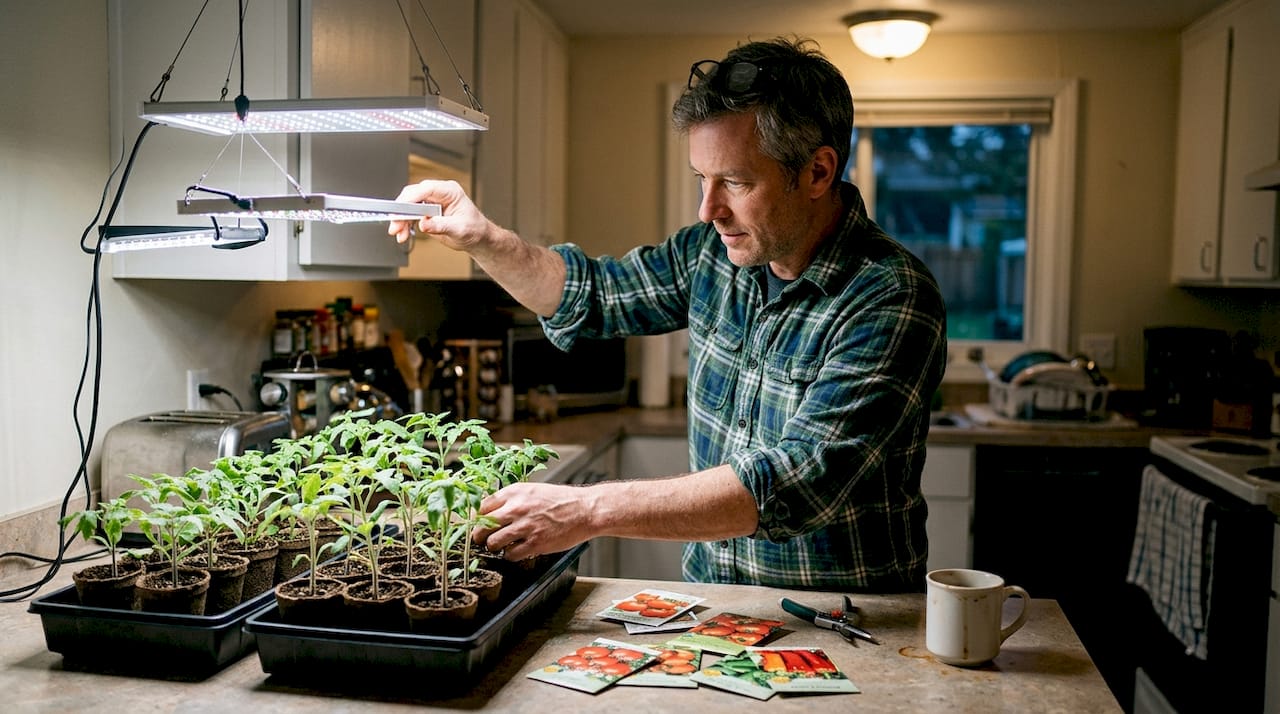
If you want to push further, growing vegetables indoors is absolutely possible with the right setup. Compact LED grow lights have made vegetable gardening indoors accessible even in rooms with no natural light at all.
Sustainable gardening: no-dig methods and composting for healthier soil
For those seeking both productivity and sustainability, the newest wave of gardening ideas pulls from regenerative practices. The no-dig method is simple in concept: stop disturbing your soil. Every time you dig or till, you break apart the fungal networks and bacterial communities that make soil productive.
No-dig methods outperform traditional digging for long-term yields and overall soil health. The results compound over seasons. Year one might look similar, but by year three, no-dig beds are noticeably more productive and far easier to manage.
Simple no-dig steps to get started:
- Lay cardboard directly over grass or weeds (no need to remove them)
- Add 4 to 6 inches of compost or wood chip mulch on top
- Plant directly into the compost layer
- Top-dress with more compost each season instead of digging it in
- Never walk on your growing beds to avoid compaction
Statistical callout: No-dig plots consistently show higher yields over multiple growing seasons compared to dug plots, with the gap widening each year as soil biology improves.
Home compost is the perfect partner for no-dig gardening. Kitchen scraps, garden trimmings, and cardboard break down into rich material that feeds your beds without any synthetic inputs. Explore no-dig gardening explained for a full walkthrough of setting up your first no-dig bed from scratch.
Pro Tip: Keep your soil covered year-round. Bare soil loses moisture, invites weeds, and degrades quickly. A layer of mulch or a cover crop like clover protects everything underneath and feeds the soil at the same time. Visit composting methods to find the easiest approach for your setup.
Why creative structure, not expensive tools, is the real gardening superpower
After seeing the best ideas in practice, it’s worth asking: what actually separates gardens that thrive from those that struggle? In our experience at Lushy Gardens, it almost never comes down to tools or products. It comes down to observation and structure.
The gardeners who get the best results are the ones who watch their space before they build anything. They notice where water pools, where the sun hits longest, and which corners stay shaded. Then they design around reality instead of fighting it.
Some of the most productive gardens we’ve seen were built with repurposed pallets, old colanders used as hanging planters, and grocery store herb pots rescued and replanted. Creativity and patience always outperform expensive setups. A $200 grow light won’t save a plant that’s being drowned twice a week.
The ideas in this article work because they’re built on observation and adaptation, not on buying the right gear. Start small, pay attention, and adjust. That’s the whole secret. Find more garden inspiration to keep your momentum going as your confidence grows.
Ready to grow? Get inspired and master your garden
With creativity as your main tool, it’s easy to take your next step toward a lush, vibrant garden. At Lushy Gardens, we’ve built a library of practical guides designed for real home gardeners, not idealized ones with perfect conditions and unlimited budgets. Whether you’re just starting out or ready to level up, there’s something here for your exact situation.
Start with our gardening basics guide if you’re new to growing, or browse creative garden ideas for your next project. For indoor plant lovers, our indoor plant guide covers everything from light setup to watering routines in one place. Your best garden is the one you actually build.
Frequently asked questions
What is the best soil mix for raised beds?
A blend of 40% topsoil, 40% compost, and 20% aeration material like coir delivers optimal drainage and nutrition for raised beds. This mix supports strong root development and consistent moisture retention without becoming waterlogged.
How can I avoid overwatering my indoor plants?
Let the top 1 to 2 inches of soil dry out before watering and always use containers with drainage holes. Avoiding overwatering is the single most impactful habit you can build for indoor plant health.
What are some creative ways to grow plants in small spaces?
Try vertical gardens, wall planters, tiered shelves, and compact or dwarf plant varieties to make the most of limited space. Raised beds are ideal even in tight spots when you control the soil and choose the right crops.
Are no-dig gardens better for soil health?
Yes. No-dig methods outperform traditional digging for long-term yields and soil health by preserving the underground biology that makes soil productive season after season.
Recommended
- Fresh home garden inspiration: creative ideas & steps – Lushy Gardens
- Essential Indoor Gardening Tips for Urban Dwellers – Lushy Gardens
- 7 Smart Upcycling Ideas to Transform Your Garden – Lushy Gardens
- 7 Smart Small Space Gardening Ideas for Apartments – Lushy Gardens
- 8 elegant ways to use travertine indoors for luxury décor – Marmorique

I’m Eleanor, a seasoned gardener with over three decades of experience tending to Mother Nature’s creations. Through Lushy Gardens, I aim to share my wealth of knowledge and help fellow plant enthusiasts uncover the wonders of gardening. Let’s dive into this journey together, one leaf at a time.


