
Table of Contents
TL;DR:
- A plant watering schedule should be based on soil moisture, weather, and growth stage rather than a fixed calendar.
- Deep, infrequent watering promotes strong roots, while shallow or frequent watering can cause problems like root rot or drought stress.
A plant watering schedule is a structured plan that defines when, how often, and how deeply to water your plants based on species, soil type, growth stage, and environment. Get it right and your plants develop strong, deep roots. Get it wrong and you face root rot, drought stress, or both. The good news: building an effective watering schedule for plants does not require expensive tools or guesswork. It requires knowing what to look for, understanding a few core principles, and adjusting as conditions change.
What does a good plant watering schedule actually look like?
A good plant watering schedule is not a fixed calendar. The Royal Horticultural Society advises against fixed weekly schedules because plant water needs shift constantly with weather, soil conditions, and growth stage. A schedule that works in june will fail in august and collapse entirely in winter.
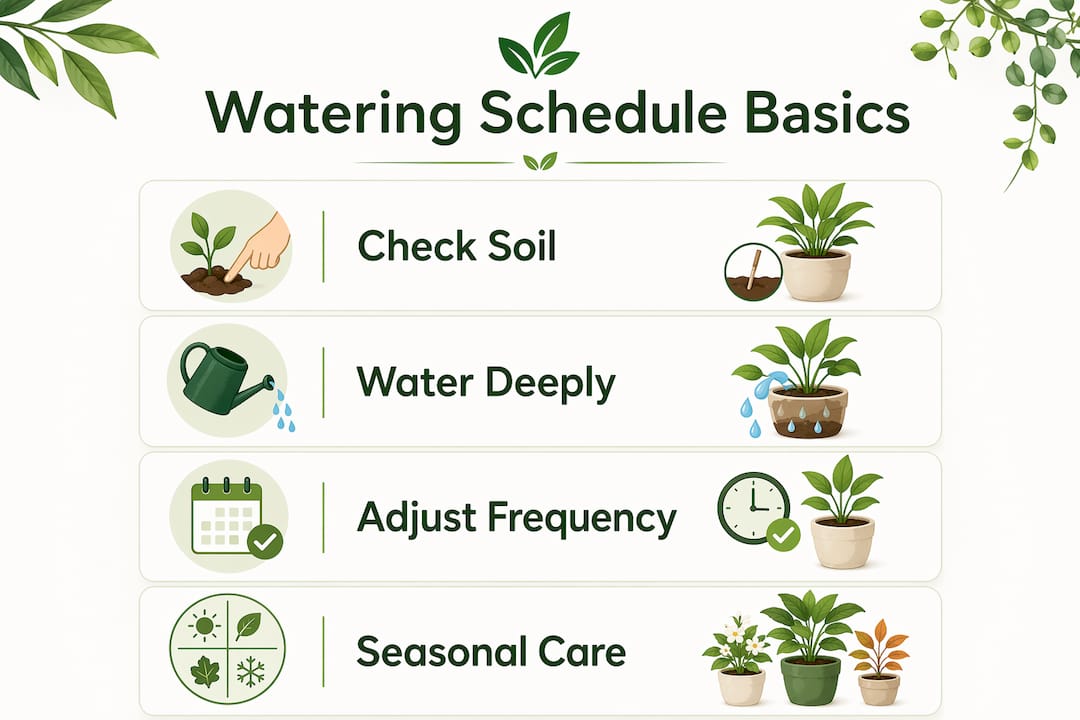
The most effective approach treats watering as a response to soil conditions, not a routine. You check the soil, read the plant, factor in the weather, and water accordingly. This is what professional growers and experienced home gardeners do. The tools that support this approach include:
- Finger test: Push your finger 1–2 inches into the soil. Dry at that depth means it is time to water.
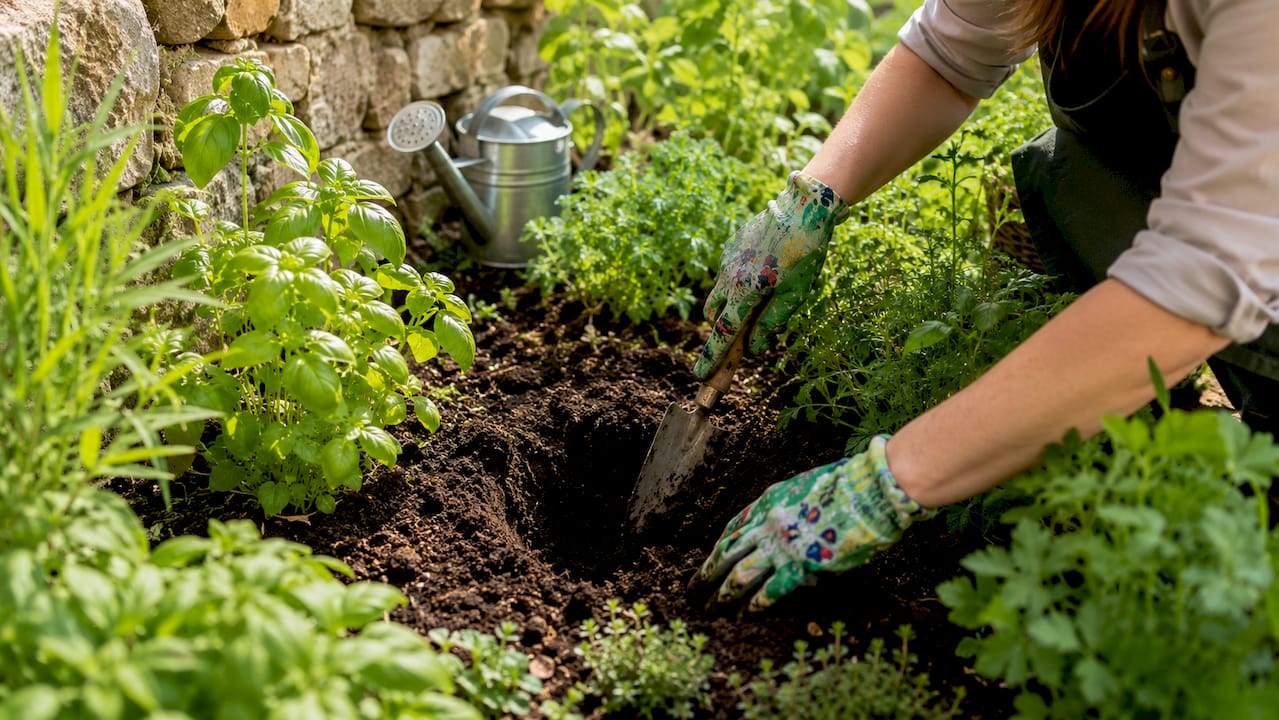
- Trowel inspection: For outdoor beds, dig 3–4 inches down to check moisture at root level.
- Rain gauges: Track weekly rainfall to avoid overwatering after natural precipitation.
- Moisture meters: Devices like the XLUX Soil Moisture Meter give a numeric reading without disturbing roots.
Pro Tip: Label each plant group in your garden by water need (high, medium, low) and check them on different days. This prevents you from treating a cactus the same as a tomato.
How do you know when your plants need water?
Plants communicate water stress clearly once you know what to look for. Drooping or wilting leaves are the most obvious signal, but by the time you see them, the plant is already under stress. Catching the need earlier protects plant health.
Soil type changes everything. Sandy soil drains fast and dries out in one to two days. Clay soil holds moisture for five to seven days. Loam sits in the middle. A tomato in sandy soil needs water far more often than the same plant in clay. Growth stage matters too. Seedlings need water twice daily until established, while mature plants of the same species may only need water two to three times per week.
Environmental factors override everything else. A heat wave, strong wind, or low humidity pulls moisture from soil faster than normal. After heavy rain, skip your scheduled watering and check the soil instead. The goal is always to respond to actual conditions, not to a preset day on the calendar.
Watch for these specific stress signals before they become serious:
- Yellowing lower leaves often signal overwatering or waterlogged roots.
- Crispy brown leaf edges point to underwatering or low humidity.
- Soil pulling away from pot edges means the mix has dried out completely.
- Unusually soft or mushy stems at the base indicate root rot from excess moisture.
How often and how deep should you water different plants?
Watering depth is the most underrated factor in plant care. The Morton Arboretum recommends watering deeply to 5–6 inches so roots follow moisture downward. Frequent shallow watering keeps roots near the surface, making plants vulnerable to drought and temperature swings.
The table below shows general watering frequency and depth targets by plant type. Treat these as starting points, not fixed rules.
| Plant Type | Watering Frequency | Target Depth |
|---|---|---|
| Outdoor vegetable beds | 2–3 times per week | 6 inches |
| Seedlings | Twice daily until established | 1–2 inches |
| Mature shrubs and trees | Once per week | 8–12 inches |
| Container plants | Every 2–3 days (check soil first) | Until drainage from base |
| Succulents and cacti | Every 10–14 days | Full pot depth, then dry |
| Indoor tropical plants | Every 5–7 days | Until water drains freely |
Outdoor garden beds generally need about 1 inch of water per week, delivered in two to three deep sessions rather than one shallow soak. That approach pushes water down to where roots actually live.
Overwatering is one of the most common mistakes, and it is widely misunderstood. Overwatering means watering too frequently, not applying too much volume in a single session. A thorough soak followed by a proper dry period is healthier than small amounts of water given every day. For indoor plants, water thoroughly until it drains from the bottom, then empty the saucer and wait until the top 1–2 inches of soil are dry before watering again.
Seasonal volume matters too. KnowTheYard recommends reducing watering volume 25–50% during winter months for houseplants. Most indoor plants enter a semi-dormant state in low light and cool temperatures. Continuing summer watering volumes through winter is a direct path to root rot.
Pro Tip: After watering a container plant, lift the pot. A heavy pot means the soil is saturated. A light pot means it is time to water. This trick works better than any timer.
What is the best time of day to water plants?
Early morning is the best time to water plants, both indoors and outdoors. The Farmer’s Almanac confirms that morning watering reduces disease risk by allowing foliage to dry fully during daylight hours. Wet leaves sitting through a cool night create the exact conditions that fungal diseases and pests prefer.
Here is how timing breaks down across the day:
- Early morning (6–9 a.m.): Water absorbs into soil before heat increases evaporation. Foliage dries quickly. Disease risk stays low.
- Mid-day (11 a.m.–3 p.m.): High evaporation rates waste water. Wet soil in direct sun can also stress shallow roots. Avoid watering during peak heat.
- Evening (after 5 p.m.): Acceptable when morning watering is not possible. The RHS notes that evening watering carries higher disease risk because leaves stay wet overnight. Aim water at the soil base, not the foliage.
Rainfall changes the equation entirely. If your area received half an inch of rain overnight, skip the morning session and check soil moisture instead. A simple rain gauge mounted in the garden removes all guesswork about how much natural water your beds received.
How do you build a personalized watering schedule?
Building a watering schedule that actually holds up requires four steps. Skip any one of them and you end up back at guesswork.
- List every plant and its water needs. Group plants by type: succulents, tropicals, vegetables, shrubs. Note each group’s general watering frequency and preferred soil moisture level. Plant tags, seed packets, and resources like Lushygardens provide this baseline data.
- Check soil moisture before every watering session. Use the finger test for containers and the trowel method for beds. The RHS recommends checking soil to 6 inches deep to confirm moisture has reached the root zone. Surface moisture alone tells you nothing useful.
- Choose your tracking method. A printed watering chart works well for small gardens. Apps like Greg or Planta send reminders based on plant type and environment. A simple notebook with columns for plant name, last watered date, and next check date costs nothing and works reliably.
- Adjust for season and weather every month. Reduce frequency in fall and winter. Increase it during heat waves or when plants are actively flowering or fruiting. KnowTheYard’s guidance on seasonal volume reduction applies to both indoor and outdoor plants.
The table below shows how a basic weekly schedule might look for a mixed indoor and outdoor garden.
| Day | Task | Plants |
|---|---|---|
| Monday | Check soil, water if dry | Indoor tropicals, container herbs |
| Wednesday | Deep water outdoor beds | Vegetable garden, shrubs |
| Friday | Check indoor succulents | Cacti, succulents (water only if dry) |
| Saturday | Check outdoor containers | Pots, hanging baskets |
| Daily | Observe for stress signals | All plants |
For indoor plants specifically, checking soil moisture 1–2 inches deep before each session prevents both overwatering and underwatering. The goal is to water thoroughly when needed, then let the soil dry appropriately before the next session. Lushygardens has a detailed indoor watering step-by-step guide that walks through this process for common houseplant types.
For gardeners dealing with dry conditions or drought-prone regions, adapting your outdoor watering strategy becomes especially important during summer months.
Key takeaways
A reliable plant watering schedule depends on soil moisture checks, proper watering depth, and seasonal adjustments rather than fixed calendar dates.
| Point | Details |
|---|---|
| Skip fixed schedules | Water based on soil moisture and plant stress signals, not preset calendar days. |
| Water deeply, not often | Reach 5–6 inches of soil depth to build strong, drought-resistant roots. |
| Morning is best | Early watering reduces evaporation and lowers disease risk by keeping foliage dry. |
| Cut back in winter | Reduce watering volume 25–50% for houseplants during low-light dormancy periods. |
| Overwatering is frequency, not volume | Watering too often causes root rot; a thorough soak followed by drying is healthier. |

What rigid schedules get wrong (and what to do instead)
I have seen more plants killed by a strict Monday-Wednesday-Friday watering routine than by neglect. The problem with fixed schedules is that they assume the world stays constant. It does not. A rainy week in april followed by a dry heat wave in may requires completely different responses, and a calendar cannot make that call.
The shift that changed how I approach watering was moving from “when do I water?” to “does this plant need water right now?” That question forces you to check the root zone, not just glance at the soil surface. Moisture at the surface means almost nothing. What matters is whether water has reached the depth where roots actually feed.
Deep watering is the single most impactful technique most gardeners underuse. Watering to 5–6 inches once or twice a week produces far healthier plants than daily light watering. The roots follow the moisture downward, which makes plants more resilient when dry spells hit. I have watched gardeners with well-drained container setups consistently outperform neighbors who water more often but shallowly.
Seasonal flexibility is non-negotiable. A houseplant that thrives on weekly watering in july may only need water every three weeks in december. Ignoring that shift is how you lose plants that were otherwise thriving. Build the habit of reassessing your schedule at the start of each season, not just when something goes wrong.
Explore more plant care guides on Lushygardens
Lushygardens covers every stage of plant care, from your first seedling to a full seasonal garden rotation. The plant care routine checklist is one of the most practical resources on the site, walking you through daily and weekly tasks that keep plants healthy year-round, including watering, feeding, and monitoring. If you are just getting started, the gardening basics guide covers watering fundamentals alongside soil prep, plant selection, and tool basics. For gardeners who want to stay ahead of seasonal shifts, the seasonal garden maintenance guide maps out exactly how to adjust your care routine month by month.
FAQ
How often should i water my indoor houseplants?
Most indoor houseplants need water every 5–7 days, but the correct answer depends on soil moisture. Check 1–2 inches deep before each session and water only when that layer is dry.
What is the best time of day to water outdoor plants?
Early morning, between 6 and 9 a.m., is the best time. Foliage dries during the day, which reduces fungal disease risk and limits evaporation loss.
How deep should water penetrate when i water my garden?
Water should reach 5–6 inches deep for most garden plants. The Morton Arboretum confirms this depth encourages roots to grow downward, improving drought resilience.
Does overwatering mean i am using too much water at once?
No. Overwatering is caused by watering too frequently, not by applying a large volume in one session. A thorough soak followed by a proper dry period is the correct approach.
How do i adjust my watering schedule in winter?
Reduce watering volume by 25–50% for houseplants during winter months. Most plants slow their growth in low light and cool temperatures and need significantly less water to stay healthy.
Recommended
- Top hydration tips for gardeners: optimal watering made easy – Lushy Gardens
- Watering houseplants guide for healthy, thriving plants – Lushy Gardens
- How Often to Water Jade Plant: Seasonal Care Tips – Lushy Gardens
- Vegetable Garden Watering Systems – Expert Comparison 2025 – Lushy Gardens

I’m Eleanor, a seasoned gardener with over three decades of experience tending to Mother Nature’s creations. Through Lushy Gardens, I aim to share my wealth of knowledge and help fellow plant enthusiasts uncover the wonders of gardening. Let’s dive into this journey together, one leaf at a time.


