
Table of Contents
TL;DR:
- Foliage burn is an abiotic disorder where leaf tips turn brown due to water flow disruption, not a disease. It results from environmental stresses like drought, heat, or root damage that block water movement, with symptoms predictable by cause and timing. Prevention involves proper watering, site selection, and care practices, while early detection and correction promote plant recovery.
Foliage burn is defined as an abiotic disorder where leaf margins and tips turn brown and dry because the plant cannot deliver enough water to meet its transpiration demand. The condition, also called leaf scorch, is not a disease. No pathogen causes it. Instead, environmental and cultural stressors disrupt the plant’s water flow, and the outermost leaf tissue dies first. Understanding what is foliage burn, how to spot it early, and how to correct the underlying cause is the fastest path to keeping your plants healthy.
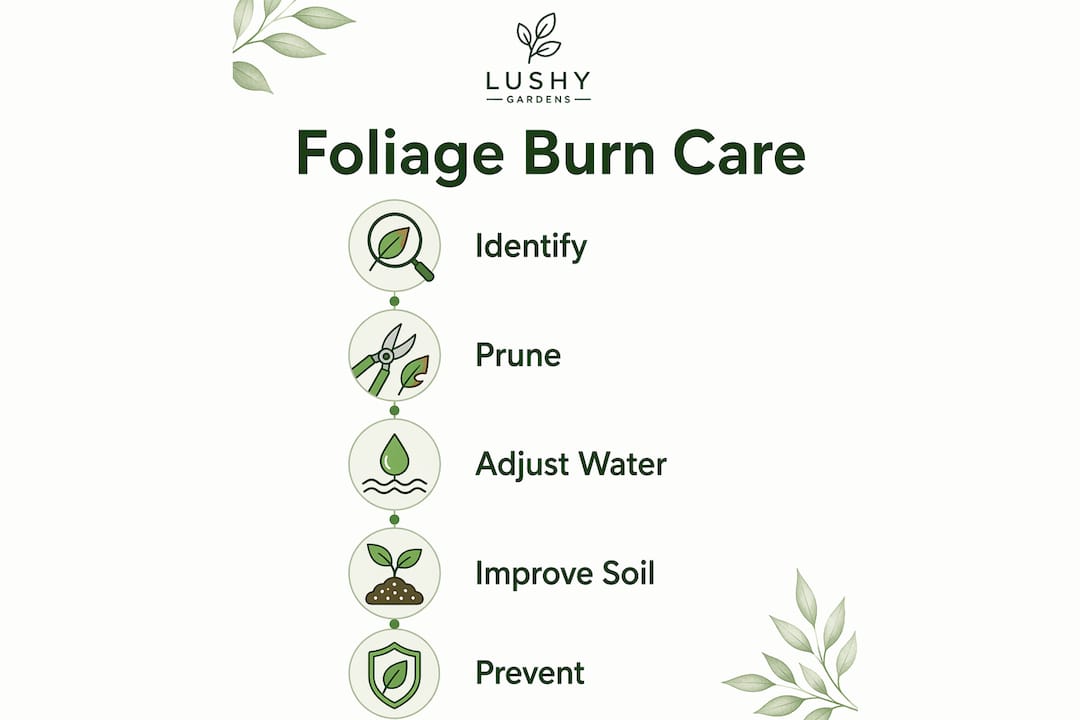
What is foliage burn and how does it affect plants?
Foliage burn is an abiotic disorder where leaves develop brown margins and tips because water supply fails to meet transpiration demand. The word “abiotic” simply means the cause is environmental, not biological. No fungus, bacterium, or virus is responsible.
The damage follows a predictable pattern. Symptoms progress from tips inward with a sharp boundary separating dead tissue from healthy green tissue. That boundary is not random. It corresponds to the longest path water must travel through the leaf’s xylem vessels, where stress hits hardest. In severe cases, whole leaves brown, blacken, and drop.
Both outdoor and indoor plants are vulnerable. Trees, shrubs, vegetable crops, and houseplants all show the same core pattern when water stress overwhelms their system. The condition is widespread enough that Colorado State University Extension and UC Master Gardeners both maintain dedicated guides on leaf scorch disorders.
What causes foliage burn in plants?
Foliage burn has multiple triggers, but they all share one mechanism: something blocks or reduces water movement from roots to leaf edges. The most common causes include:
- Drought stress. Dry soil reduces root water uptake. Leaf margins, the last stop on the water delivery route, dehydrate first.
- Heat stress and reflected heat. Pavement, walls, and south-facing exposures amplify ambient temperature. High heat accelerates transpiration faster than roots can compensate.
- Root damage. Compacted soil, root rot, or physical injury from transplanting cuts off water supply at the source.
- Transplant shock. Moving a plant disrupts root function. Symptoms from transplant shock typically appear 2–6 weeks after planting.
- Fertilizer and salt buildup. Excess mineral salts in soil create osmotic dehydration. The roots sit in moist soil but cannot absorb water because the salt concentration outside the root cells is higher than inside. This is one of the most misdiagnosed causes of foliage burn.
- Windburn. Persistent wind strips moisture from leaf surfaces faster than roots replace it, especially in winter or on exposed sites.
The timeline for symptoms varies by cause. Drought scorch appears within 3–10 days of a moisture deficit. Heat scorch can show up in as little as 24–48 hours. Transplant shock takes weeks to surface. That timeline is a diagnostic clue. If browning appeared overnight after a heat wave, heat stress is the likely culprit. If it crept in over weeks after repotting, root disruption is more probable.
Foliage burn is mostly an environmental or cultural issue, not a disease. Treating it with fungicide wastes time and money. The fix is always a care or site adjustment.
How to identify foliage burn symptoms on your plants
The clearest sign of foliage burn is brown, crispy leaf margins and tips with a sharp line between dead and living tissue. That sharp boundary is the key visual that separates leaf scorch from most fungal diseases, which tend to produce irregular or spreading spots without clean edges.
Symptom progression follows a consistent path:
- Tip browning. The very tip of the leaf turns tan or brown first.
- Margin spread. Browning moves along the leaf edges toward the base.
- Inward advance. In severe cases, the dead zone moves toward the midrib.
- Leaf drop. Plants under heavy root stress shed outer leaves as a survival strategy, limiting water expenditure to protect the core.
Catching the problem before full browning occurs gives you the best chance of stopping it. Early stress signals include leaf curling, an unusual deep blue-green color from nitrogen spikes, and downward leaf posture. These signs appear before any browning and signal that the plant is already under pressure.
Foliage burn can be confused with nutrient deficiency, which tends to cause yellowing rather than brown crispness. It can also be mistaken for overwatering damage, though overwatering typically produces soft, yellowed tissue rather than dry, papery edges. For a closer look at how these symptoms overlap, the Lushygardens guide on yellowing and browning leaves breaks down the visual differences clearly.
Pro Tip: If your plant’s soil feels moist but the leaf tips are still browning, do not add more water. High soil salt concentration can cause osmotic dehydration even when the growing medium is wet. Check for white crusty deposits on the soil surface or pot rim as a sign of salt buildup.
Effective ways to treat and manage foliage burn
Brown tissue will not turn green again. Leaf scorch is irreversible, so treatment focuses on protecting healthy tissue and correcting the underlying cause. Acting fast limits how much of the plant you lose.
Treating fertilizer burn step by step
- Stop all fertilizer immediately. Adding more nutrients worsens salt concentration in the soil.
- Remove visible salt crusts from the soil surface and around the root zone.
- Flush the root zone with room-temperature water three times over 48 hours. Flushing thoroughly within this window is the standard remedy for fertilizer-induced foliage burn.
- Allow the soil to drain fully between flushes. Standing water creates a secondary problem.
- Wait for new growth before resuming any feeding. New leaves signal that the root system has stabilized.
Treating drought and heat scorch
Move container plants away from heat-reflecting surfaces or direct afternoon sun. For in-ground plants, add a 2–3 inch layer of organic mulch around the root zone to retain soil moisture and buffer soil temperature. Adjust your watering schedule to deliver water deeply and less frequently rather than shallow daily doses. Deep watering encourages roots to grow downward, where soil stays cooler and moister. Lushygardens covers deep watering techniques in detail for gardeners who want to build a consistent routine.
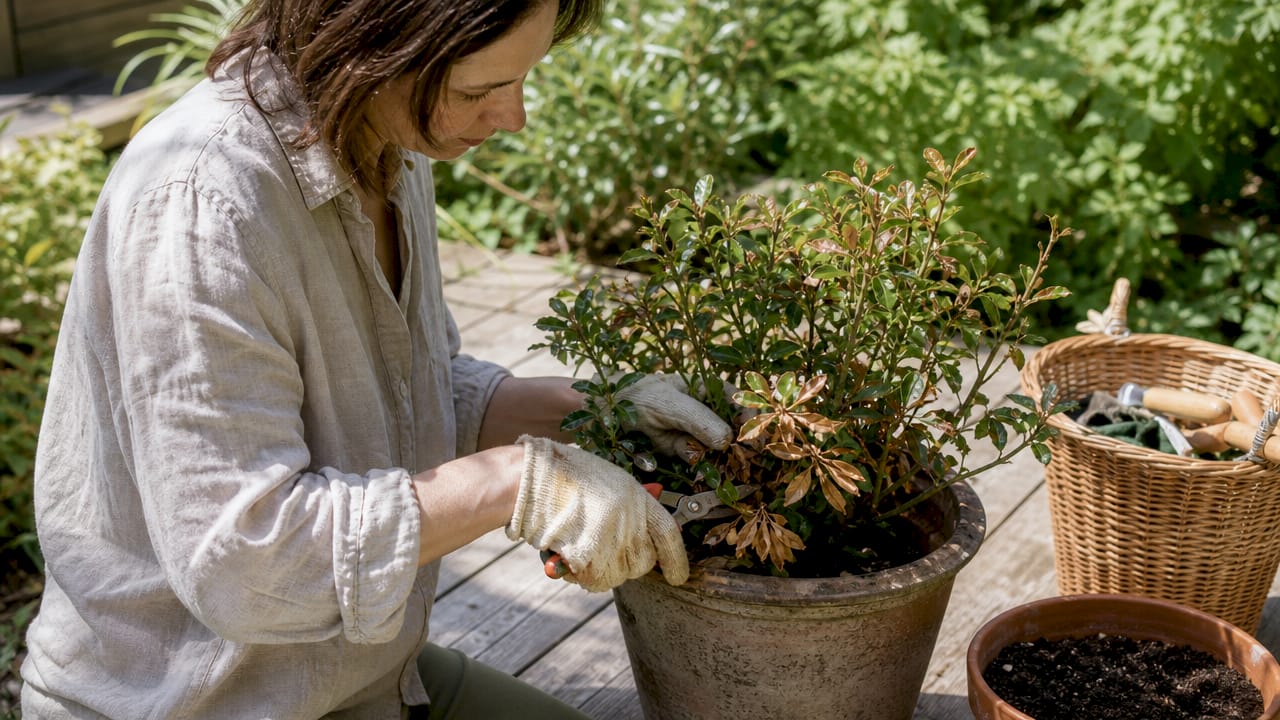
Pruning and recovery
Prune scorched leaves and stems back to healthy tissue using clean, sharp tools. This removes dead material that can harbor secondary pests and tidies the plant’s appearance. Do not expect the plant to bounce back in days. Recovery is measured in new growth cycles, not weeks.
Pro Tip: Overwatering after noticing foliage burn is one of the most common mistakes gardeners make. If salt buildup is the actual cause, extra water without flushing just pushes salts deeper into the root zone and prolongs the damage.
Prevention strategies to avoid foliage burn in healthy plants
Prevention is simpler than treatment. Most foliage burn is predictable and avoidable with consistent care habits and smart site selection.
Foliage burn recurs annually at the same location and time when the underlying environmental stressor is not addressed. That pattern is a signal, not bad luck. If the same plant scorches every july in the same corner of your yard, the site is the problem.
The table below matches common causes to their most effective prevention strategies:
| Cause | Prevention strategy | Key action |
|---|---|---|
| Drought stress | Consistent deep watering | Water less often but more deeply to build root depth |
| Heat and sun exposure | Site selection and shading | Avoid south-facing walls and heat-reflective surfaces |
| Fertilizer and salt buildup | Balanced, timed fertilization | Follow label rates and flush soil periodically |
| Root damage or compaction | Soil health monitoring | Aerate soil annually and avoid foot traffic near root zones |
| Transplant shock | Gradual acclimatization | Harden off plants before moving them to new environments |
Balanced fertilization is one of the most controllable prevention levers. Applying fertilizer at the right time and in the right amount prevents salt accumulation before it starts. The Lushygardens guide on natural fertilization practices explains how to feed plants without overloading the soil. For timing guidance, the fertilization timing guide at Lushygardens walks through seasonal schedules that reduce burn risk.
Monitoring root health matters as much as what you apply above ground. Compacted or waterlogged soil restricts root function and sets the stage for scorch even when surface conditions look fine. Checking soil drainage and structure once a season catches problems before they show up as brown leaf edges.
Key takeaways
Foliage burn is an environmental disorder, not a disease, and recovery depends on correcting the underlying cause rather than applying chemical treatments.
| Point | Details |
|---|---|
| Foliage burn is abiotic | No pathogen causes it; environmental and cultural stressors are always responsible. |
| Brown tissue is permanent | Scorched leaves will not recover; treatment protects healthy tissue going forward. |
| Salt buildup is often misdiagnosed | Moist soil does not rule out foliage burn if excess fertilizer restricts root water uptake. |
| Symptoms follow a timeline | Heat scorch appears in 24–48 hours; drought scorch takes 3–10 days; transplant shock takes 2–6 weeks. |
| Prevention beats treatment | Consistent deep watering, smart site selection, and balanced fertilization stop most foliage burn before it starts. |
What I’ve learned from watching plants scorch year after year
The most common mistake I see gardeners make is reaching for a spray bottle the moment they spot brown leaf edges. Fungicide, insecticide, a different fertilizer brand. None of it helps because foliage burn is not caused by anything you can kill with a chemical. The plant’s self-pruning response is a survival mechanism, not a disease symptom. Fighting it with the wrong tool delays the real fix.
What actually works is slowing down and reading the whole plant, not just the damaged leaves. Leaf posture, soil texture, the color of new growth, the location of the plant relative to walls and pavement. These details tell you more than the brown edges do. A plant scorching in the same spot every summer is telling you the site is wrong. Moving it is the answer, not more water or more product.
I’ve also learned that patience is the hardest part of recovery. Gardeners want to see green tissue return. It won’t. New growth is the only sign of recovery, and it takes time. The best thing you can do after correcting the cause is step back and let the plant work. Check for new leaves at the growth points, not the damaged ones.
One thing I’d add that most guides skip: foliage burn is one of the clearest examples of how a plant’s environment and its care routine interact. Get either one wrong and the plant shows you. Get both right and scorch becomes rare. That’s the real lesson.
— Povilas
Lushygardens resources for healthier, scorch-free plants
Foliage burn is one of the most preventable plant problems once you understand what drives it. Lushygardens has built a library of practical guides that cover every layer of plant care, from watering schedules to fertilization timing to seasonal maintenance. The plant care routine checklist is a good starting point if you want a daily framework that keeps environmental stressors in check before they show up as brown edges. For gardeners building their knowledge from the ground up, the gardening basics guide covers soil health, watering principles, and plant selection in plain language. Every guide at Lushygardens is written to give you clear answers, not more confusion.
FAQ
What is foliage burn in simple terms?
Foliage burn is when a plant’s leaf edges and tips turn brown and dry because the plant cannot move enough water to those areas. It is an environmental problem, not a disease.
Can foliage burn kill a plant?
Severe or repeated foliage burn can weaken a plant significantly, but it rarely kills a healthy plant outright. Correcting the underlying cause stops progression and allows recovery through new growth.
Is foliage burn the same as leaf scorch?
Yes. Leaf scorch is the standard horticultural term for the same condition. Both describe brown, crispy leaf margins caused by water stress or environmental factors.
How do I know if it’s foliage burn or a fungal disease?
Foliage burn produces a sharp, clean boundary between brown and green tissue. Fungal diseases typically create irregular spots, rings, or spreading lesions without that defined edge.
Will burned leaves recover and turn green again?
No. Scorched leaf tissue is irreversible and will not return to green. Treatment prevents further damage, and new healthy leaves are the sign that the plant has recovered.
Recommended
- What Is Leaf Variegation? A Plant Lover’s Guide – Lushy Gardens
- Problems With Yellowing Leaves – Causes and Solutions – Lushy Gardens
- Complete Guide to Common Plant Diseases – Lushy Gardens
- Yellowing Leaves: 50% of Gardeners Misdiagnose the Cause – Lushy Gardens

I’m Eleanor, a seasoned gardener with over three decades of experience tending to Mother Nature’s creations. Through Lushy Gardens, I aim to share my wealth of knowledge and help fellow plant enthusiasts uncover the wonders of gardening. Let’s dive into this journey together, one leaf at a time.


